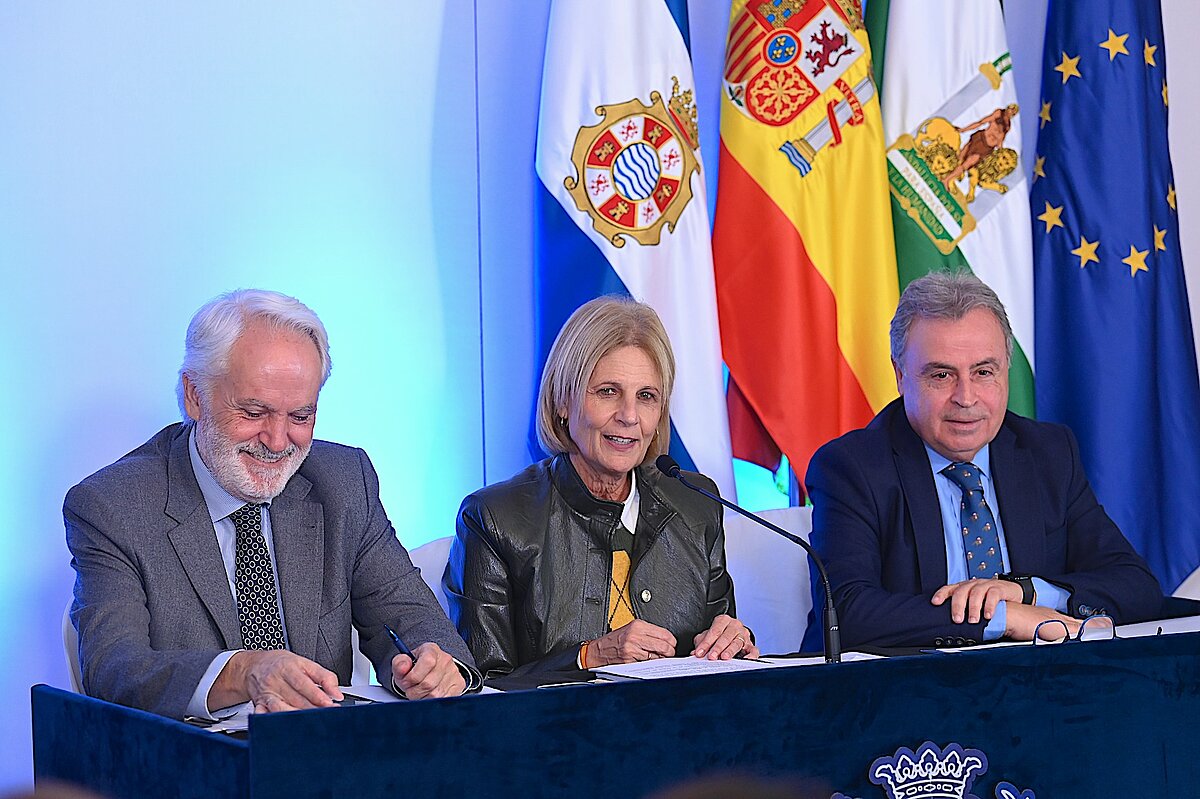
The mayor of Jerez, María José García-Pelayo, along with deputy mayors Agustín Muñoz and Antonio Real, and the Culture delegate, Francisco Zurita, recently attended the Tourism Table, where they reviewed the projects developed in the first phase of the Tourism Plan for Large Cities. This initiative is co-financed by the Junta de Andalucía and the City Council, with a total budget of €1.5 million.
The plan has included various projects, such as the installation of awnings on Calle Larga and Algarve, renovations of the Alcázar building and its surrounding spaces, the establishment of the Andalusian Domestic Animal Farm at the Zoo, and new tourist signage throughout the city. Additionally, details were shared about the second phase of the plan, which has a budget of €1.985 million aimed at further improvements in the Alcázar, climate control for Callejón de los Bolos, a new gastronomic area for the Central Market, and the installation of new awnings in Lancería.
During the meeting, the mayor encouraged attendees to provide input on these projects. The discussion began with an analysis of the local tourism sector as of October 2026, which has seen a record number of hotel guests in Jerez, totalling 256,566 between January and September. This represents a 13.5% increase compared to 2025, equating to an additional 30,416 visitors (6.7% more than in 2024). This figure surpasses the previous record set in 2017, which had 248,223 visitors.
Despite the rise in visitor numbers, overnight stays recorded between January and September 2026 reached 542,462, a historically high number but a 2% decrease from 2025, reflecting a drop in hotel occupancy rates to 56.65%, down from 62.74% in the previous year. García-Pelayo emphasised the need to create products and incentives to attract new visitors and encourage longer stays. She stated, “We must maintain our momentum and not deter potential visitors with taxes; any alternatives that mean citizens do not pay taxes to visit Jerez are positive, and we will work in that direction.”
The mayor also discussed the impact of the Gastronomic Capital and its potential to influence sectors such as sports, cinema, and inclusivity, urging attendees to develop proposals that build on the achievements of the year and introduce new initiatives.
The Tourism Table also reviewed the calendar of events for the remainder of the year, particularly the Christmas season, which features the popular zambombas, a traditional celebration in Andalusia. The City Council is committed to ensuring maximum safety and enhancing cleanliness during this period. The festive programme will commence with the Christmas lights on 20 November and continue until 9 January, featuring events in the historic centre as well as in neighbourhoods and rural areas, with gastronomy, sports, inclusivity, and culture at the forefront.
Additionally, the meeting addressed Jerez's participation in FITUR 2027, scheduled for 20-24 January 2027 at the IFEMA fairgrounds in Madrid. The City Council is preparing to present its tourism proposal at a promotional event on 19 January. This year, the layout of the stands has been redesigned for better accessibility, with all spaces located on the ground floor and peripheral aisles eliminated. Jerez’s stand will be positioned next to Sevilla's stand, separated by an aisle from the rest of Cádiz province's area, which will again feature a gastronomic section for culinary presentations, tastings, and demonstrations.