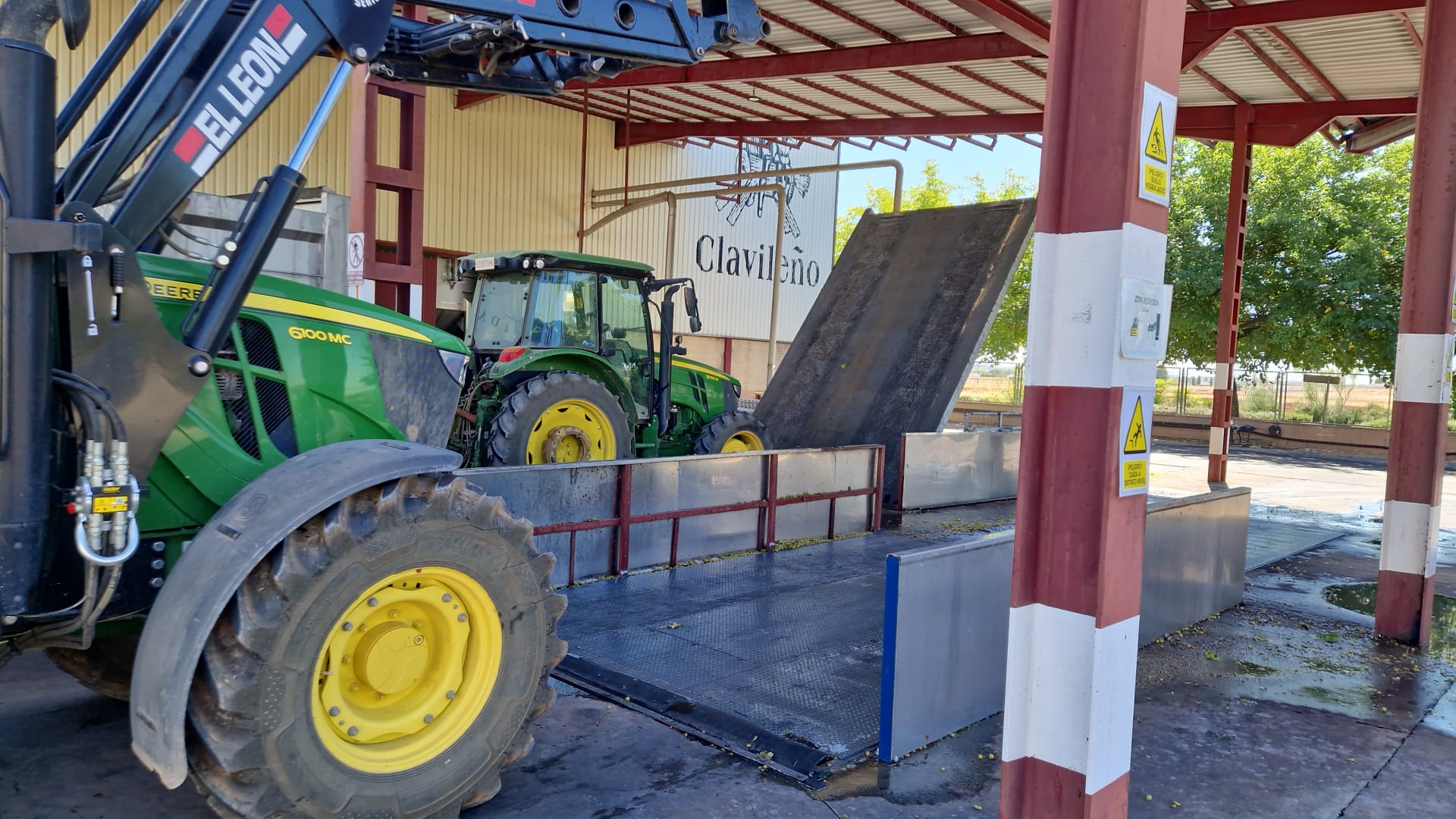
The Los Pozos cooperative in Daimiel has wrapped up its 2026 grape harvest, reporting a positive assessment of the quality of the grapes collected. The campaign started approximately a week earlier than in previous years, attributed to high temperatures, yet the overall conditions of the grapes have been very good.
Joaquín Moreno Chocano, president of Los Pozos, stated on Radio Daimiel that the grapes arrived at the cooperative 'in very good condition', with an appropriate sugar content and acidity levels surpassing those of past years. These characteristics, he explained, are conducive to producing excellent wines.
Moreno Chocano also noted the absence of widespread pest or disease issues and the strong performance of the main grape varieties cultivated. In terms of production, the cooperative harvested more grapes than initially anticipated. This increase is partly due to the recovery of areas affected by hail last year and the addition of new members to the cooperative.
The grape picking began at Los Pozos between 10 and 12 August for some varieties, with the general harvest commencing on 17 August. The president highlighted that mechanisation allows for a staggered organisation of the campaign, adjusting the intake of grapes to the winery's capacity to process, cool, and treat them properly to ensure a quality product.
Beyond the agronomic assessment, Moreno Chocano focused on the economic situation of the sector. In the cooperative model of Los Pozos, grapes are transformed into wine, and payments to farmers are determined after the fiscal year concludes. However, he warned of stagnant wine prices and declining consumption, which could lead to an oversupply and downward pressure on prices. This situation is compounded by rising production costs.
According to Moreno Chocano, the increasing prices of diesel and fertilisers are among the factors reducing the profitability of farms and complicating the sustainability of grape cultivation. Looking ahead, he emphasised the need to explore new ways to market grape-derived products and adapt to changing consumer habits, including the production of lower-alcohol or alcohol-free products.
As the harvest nears completion, Moreno Chocano conveyed a message of confidence in the product to the cooperative members and advocated for the cultivation while calling attention to costs that are increasingly squeezing farm profitability and affecting sustainability.