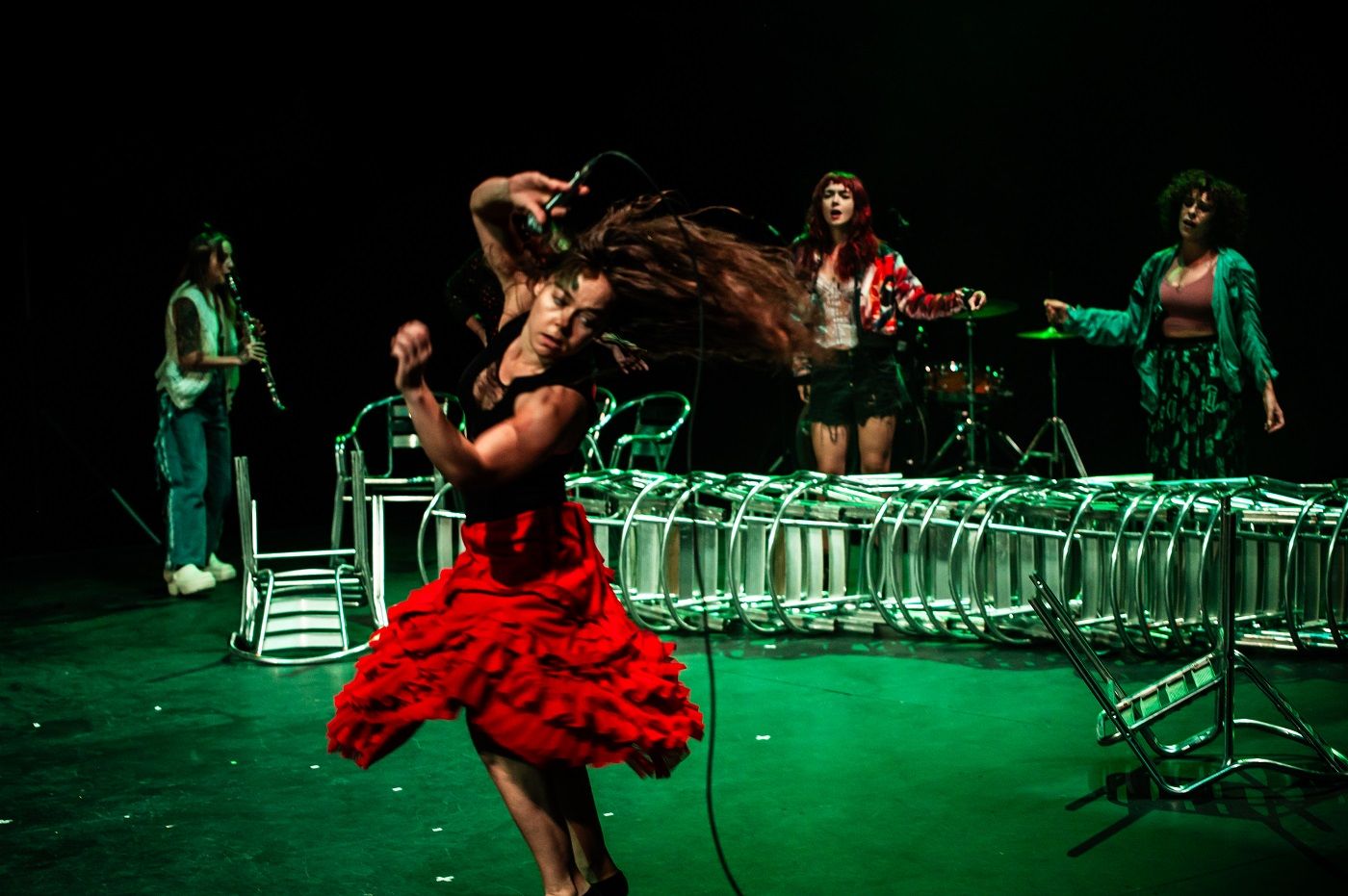
The 17th edition of Marbella TodoDanza is set to conclude on Friday, 6 November, at 20:00 in the municipal theatre, with the performance 'Calentamiento' by renowned artist Rocío Molina. Molina was recently honoured with the Andalucía de la Cultura Award.
Carmen Díaz, the general director of the festival, provided an overview of the event, which continues to establish itself as a significant platform for Spanish dance, flamenco, and contemporary creation. She highlighted the festival's successful blend of artistic exhibitions, training, and heritage.
Organised by the Culture Delegation of the Marbella City Council, the festival has showcased a diverse programme that brought together prestigious companies and creators alongside innovative choreographic research, making dance accessible to various audiences across the city.
One of the festival's highlights will be Rocío Molina's performance, which Díaz described as a fitting finale, offering audiences the chance to experience one of the most unique and recognised figures in the current performing arts scene. She emphasised that this event encapsulates the artistic vision of the festival, which honours tradition while embracing creative freedom and the evolution of performance languages.
Díaz noted that this year's edition featured 14 companies and was structured around various formats and venues. The theatre hosted six major performances, including 'Flamenco Patrimonio' by the Ballet Flamenco de Andalucía, directed by Patricia Guerrero, which opened the festival to a full house. Other performances included 'Afines' by Marcat Dance, 'La gata que quería cambiar la historia' by Thomas Noone Dance, 'Los Bailes Robados' by David Coria, and the national premiere of 'Marea Weekend' by Chey Jurado.
The programme also extended to the Museum of Contemporary Spanish Engraving with the initiative 'Movimiento y Abstracción', featuring five proposals that engaged with visual arts and artistic heritage. Inspired by Antonio El Bailarín, the festival sought to recover and project the memory of this pivotal figure in Spanish dance, closely linked to Marbella.
Additionally, the 'Bailarle a la Paz' cycle brought dance to public spaces through interventions by Juan Berlanga, Rocío Erpel, and Adrián Martínez, fostering spontaneous encounters with the art of movement and highlighting the power of artistic creation to convey values and provoke social reflection.
Marbella TodoDanza has also strengthened its educational and participatory dimension through workshops, masterclasses, open rehearsals, artist meetings, and audiovisual activities. Initiatives included a workshop by Chey Jurado, a Spanish dance class by Ana Almagro and Adrián Martínez, an open rehearsal of Marea Weekend, and a screening of the documentary 'Antonio, El Bailarín de España', followed by a discussion with its director, Paco Ortiz.
Díaz reported excellent participation in this year's edition, reflecting the interest in a cultural offering that combines large-scale performances, intimate experiences, and activities aimed at diverse audiences. She concluded that the festival has successfully transformed various spaces into stages for creation, cultural engagement, and participation.