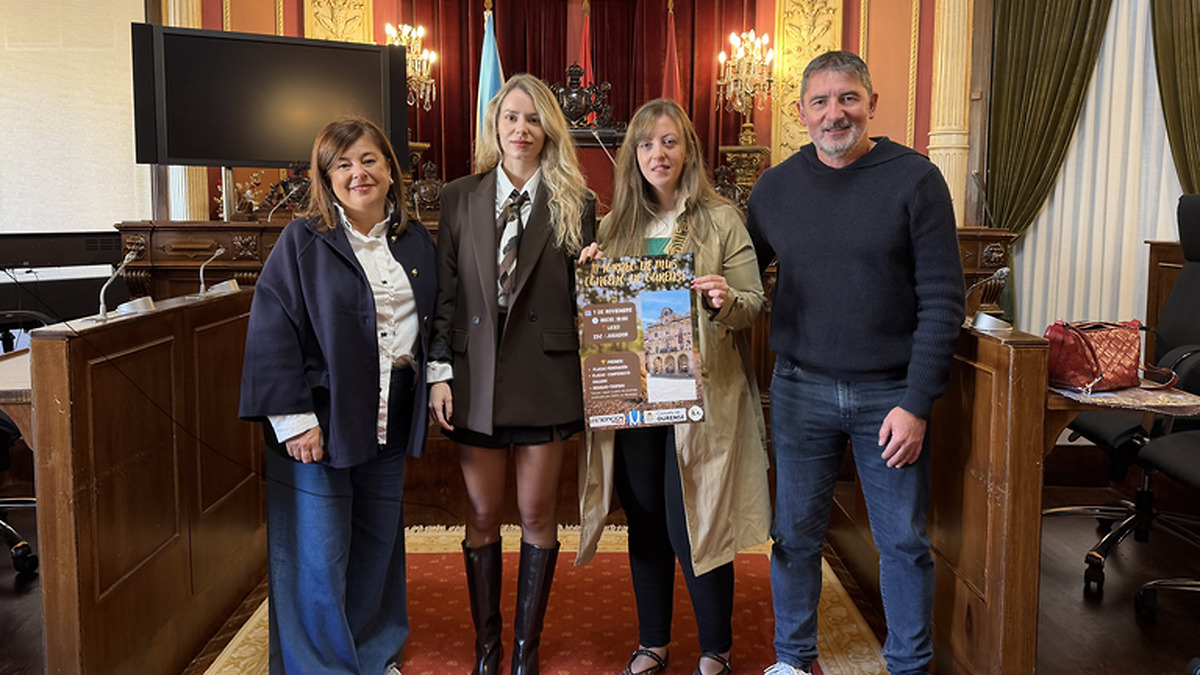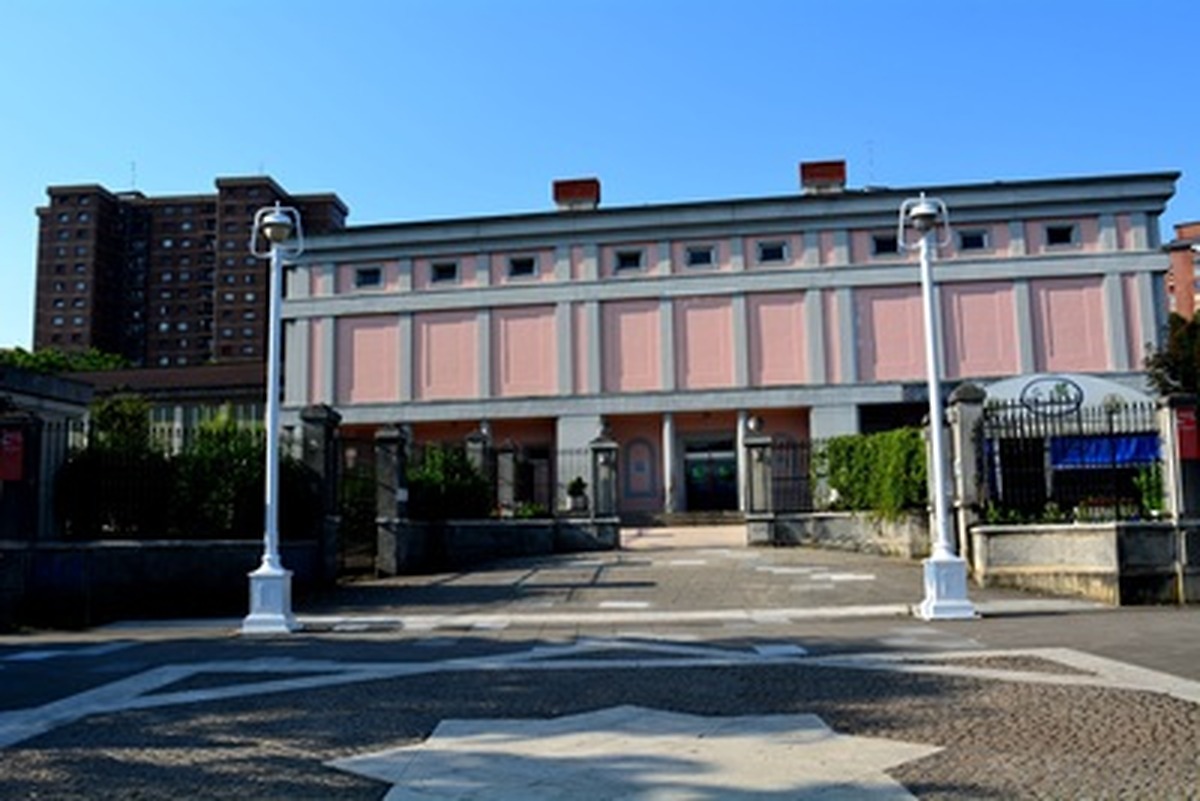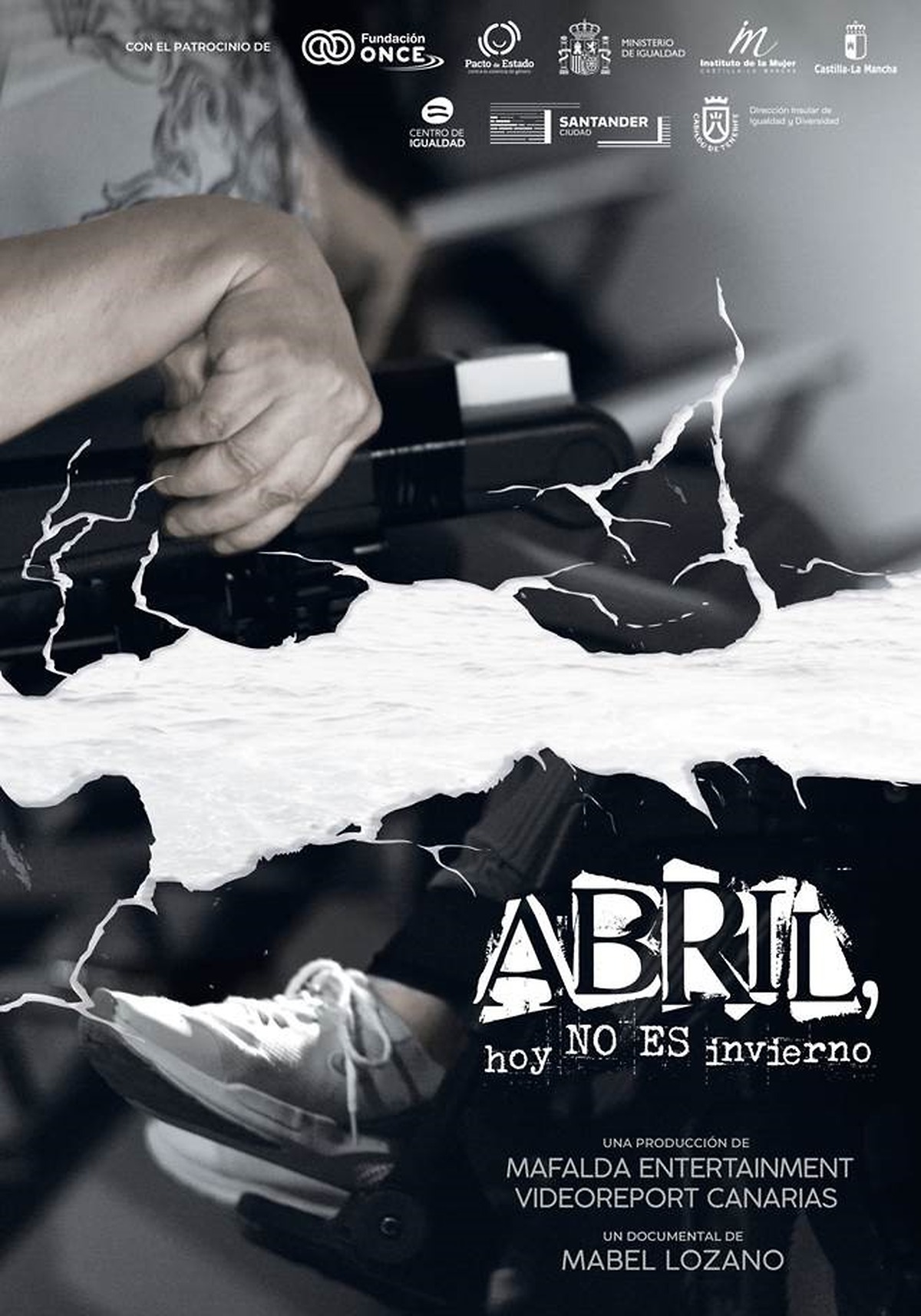
The Palacio de Exposiciones will host the screening of the documentary ‘Abril, hoy no es invierno’ on Thursday, 5 November, starting at 19:00. Directed by Mabel Lozano and sponsored by the Ayuntamiento de Santander, this event is part of the IV Municipal Strategic Plan for Equality of Opportunities between Women and Men.
Zulema Gancedo, the councillor for Equality, announced that the screening is part of the activities leading up to the ‘International Day for the Elimination of Violence against Women’ on 25 November. The documentary has received several awards, including the Torre en Corto 2026 and the Premio Fugaz 2026, and is pre-selected for the Goya Awards.
In addition to ‘Abril, hoy no es invierno’, the short film ‘AVA’ will also be screened. This film, co-financed by the Ayuntamiento de Santander, won the Goya Award for Best Short Documentary in 2024.
Mabel Lozano is a filmmaker, writer, and a prominent activist against the trafficking of women and girls for sexual exploitation. She has been a key figure in the fight for women's and girls' rights to live free from violence and exploitation. The Ayuntamiento de Santander has collaborated with Lozano since 2016, conducting various workshops in educational centres to raise awareness about the situation of women and girls who are victims of the prostitution system.
Since their collaboration began, the council has co-financed three of Lozano’s short films: ‘Biografía del Cadáver de una Mujer’, which won the Goya Award for Best Short Documentary in 2021; ‘AVA’, which won the Goya in 2024; and the current documentary ‘Abril, hoy no es invierno’. Admission to the screening is free until full capacity is reached.
Synopsis: This project, developed by Secuoya Studios, Mafalda Entertainment, Festeam Comunicación y Eventos, S.L. (Riverflow Pictures), and Álamo Producciones Audiovisuales, will be filmed in various locations across the provinces of Guadalajara, Madrid, and the Canary Islands. It is a social thriller based on a true story that expands on the universe of the award-winning short film of the same name. The story follows Lucía, a lawyer for a foundation that assists people with disabilities. One day, she receives a message on her phone: an SOS. Lucía quickly responds, asking for more information, but receives no reply. After several days of silence, another message arrives: another SOS, this time accompanied by a crying emoji and many fearful faces. Lucía knows that someone needs her help and that she must find a way to communicate with them.