The Ministry of Mobility, Environment and Emergency Management has announced that the six proposed battery parks at Musel in Gijón will require a standard environmental impact assessment. This decision, published in the official bulletin, highlights the potential risks these projects pose.
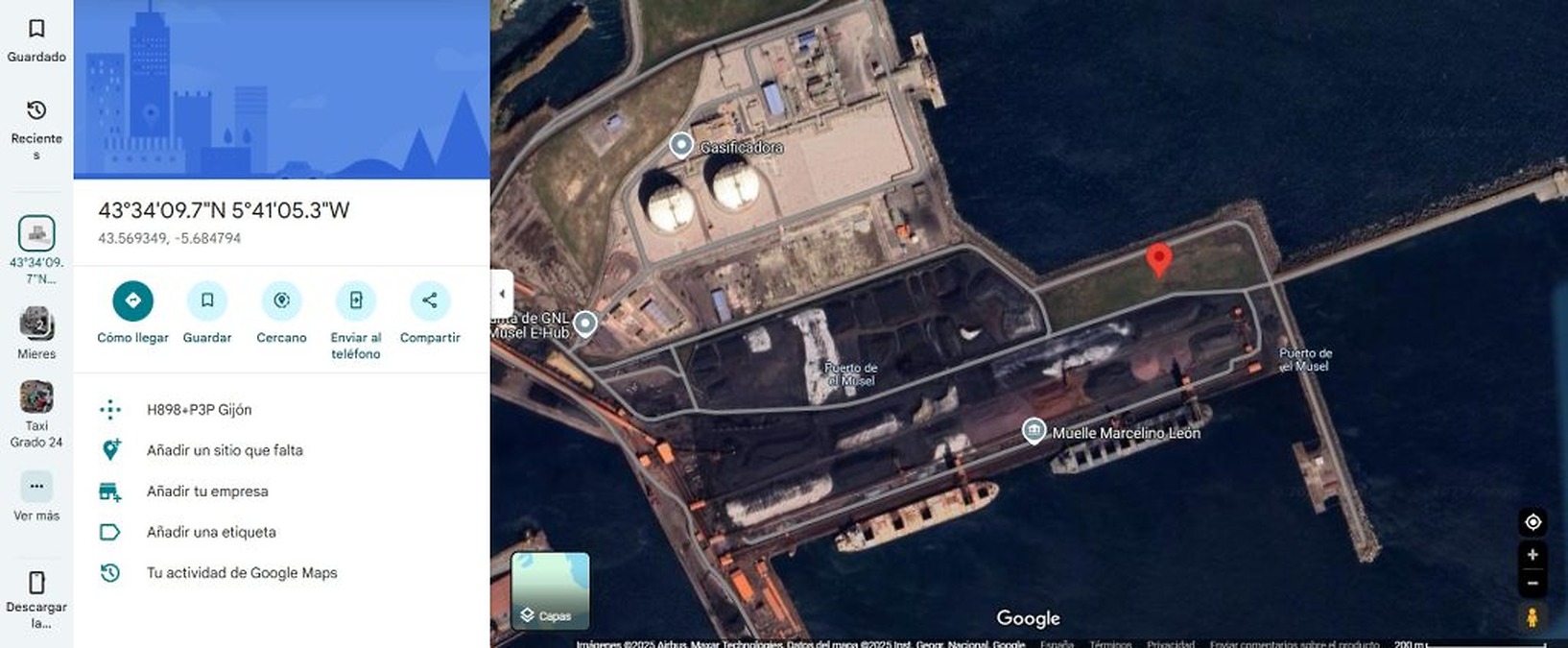
The battery parks include BESS Puerto Gijón (22-1, 22-2, 22-3, and 22-4), PB Campa Torres Puerto Gijón, and PB IM2 Espumeru Puerto de Gijón, each with a capacity of 5 MW and four containers, providing four hours of storage. The growing number of battery parks under consideration is notable, with a total of 18 projects now proposed in the region, far exceeding the previously established limit of 300 MW of storage capacity.
Interestingly, the four other battery parks already authorised in Gijón, located in Moreda and Lloreda, did not seem to account for the associated risks that are now being recognised for the Musel projects. The ministry has acknowledged the risk of accidents at these installations and their potential impact on surrounding risk areas, which include the Musel Energy Hub, Exolum, Repsol, and Galp España, as well as coal deposits.
Furthermore, the ministry has requested modelling of thermal emissions, sparks, and fire, including graphical outputs to assess or dismiss risks in the event of a thermal runaway scenario that could trigger a domino effect on nearby facilities and deposits. Additionally, they have called for modelling of gas emissions produced by thermal runaway under various ventilation conditions, with graphical outputs for pollutants such as carbon monoxide, particles, hydrogen, and hydrogen fluoride.
Currently, the proposed battery parks in Asturias vary in size, from those with a single storage container to installations with up to 72 containers. Of the 150 applications submitted, the locations of 93 projects have been identified across the region, affecting areas such as Salas, Salime, Siero, Llanera, Mieres, Cangas de Onís, Oviedo, Avilés, Corvera, Lena, Colunga, Villaviciosa, Soto Ribera, Regueras, Gijón, Candamo, Gozón, Piloña, Grao, Carreño, Cangas del Narcea, Langreo, Ribadedeva, Ribadesella, and San Martín del Rey Aurelio.
“It is surprising that the risks associated with the Musel installations are being recognised now, while previous projects did not take such factors into account,” said a spokesperson from Coordinadora Ecoloxista d'Asturies.