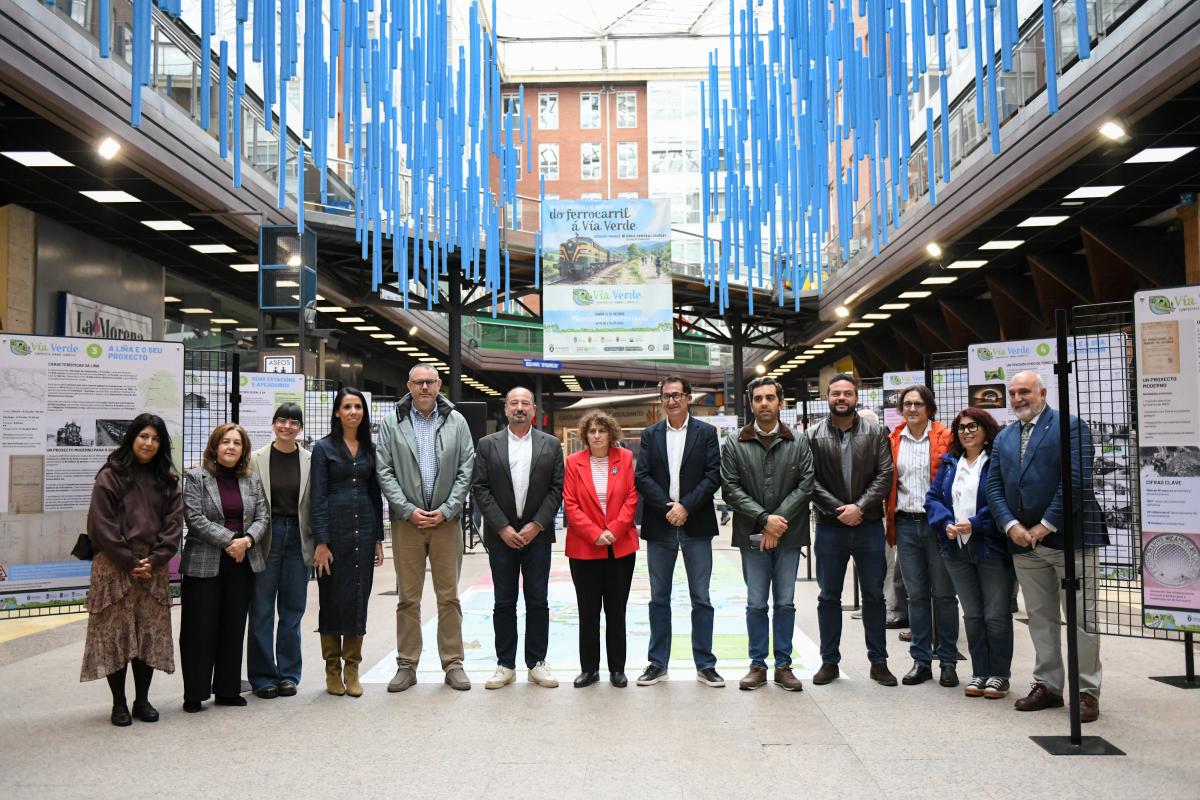
The second vice president of the Diputación de Ciudad Real, Sonia González, took part in a demonstration day for the HITTS pilot project, developed under the European INTERREG SUDOE programme. This initiative promotes new methods for valuing historical and cultural heritage as a means to foster tourism, stimulate the economy, and create development opportunities in rural areas.
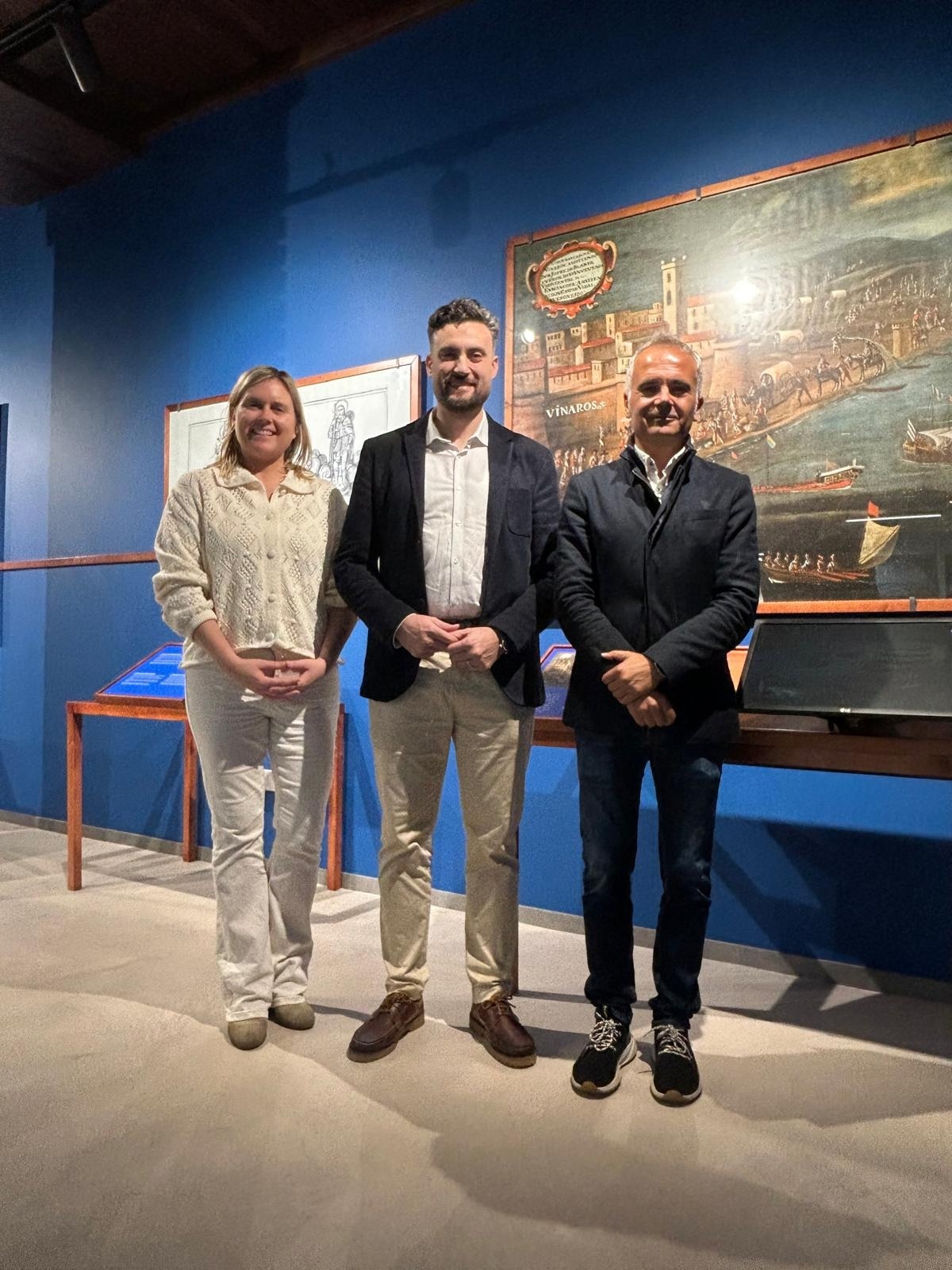
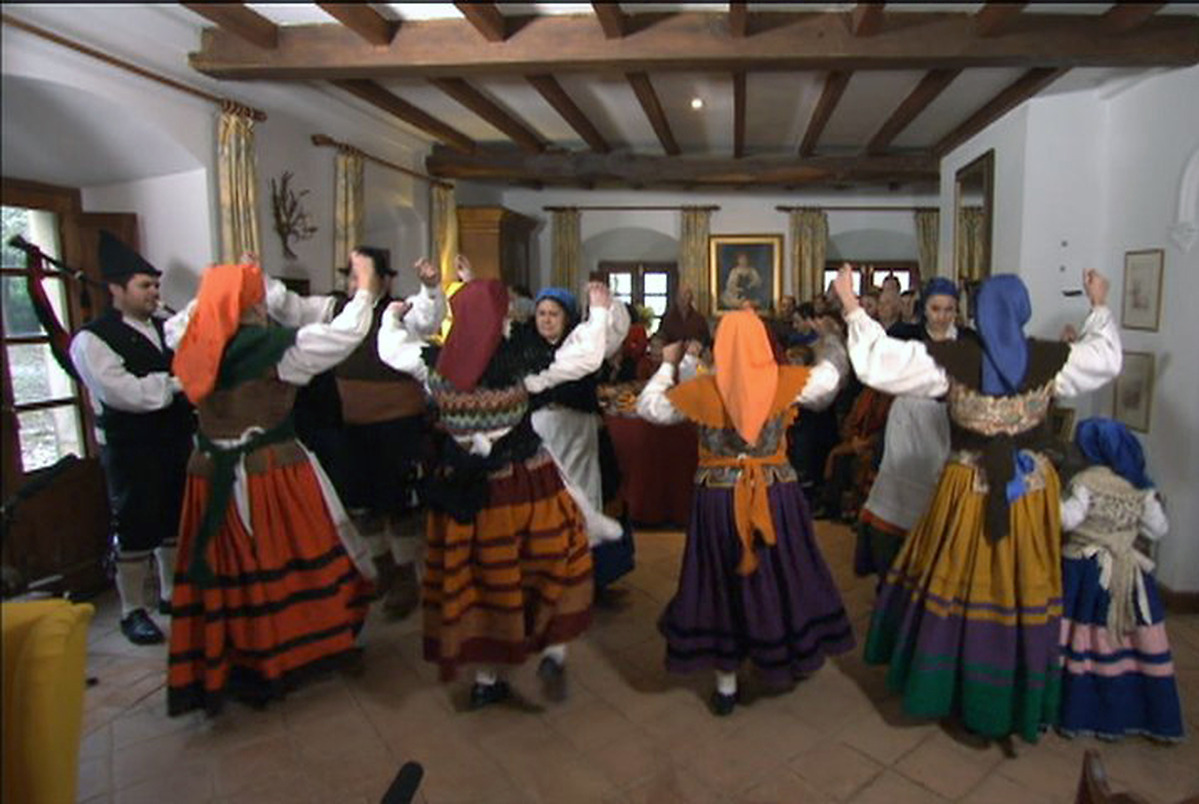
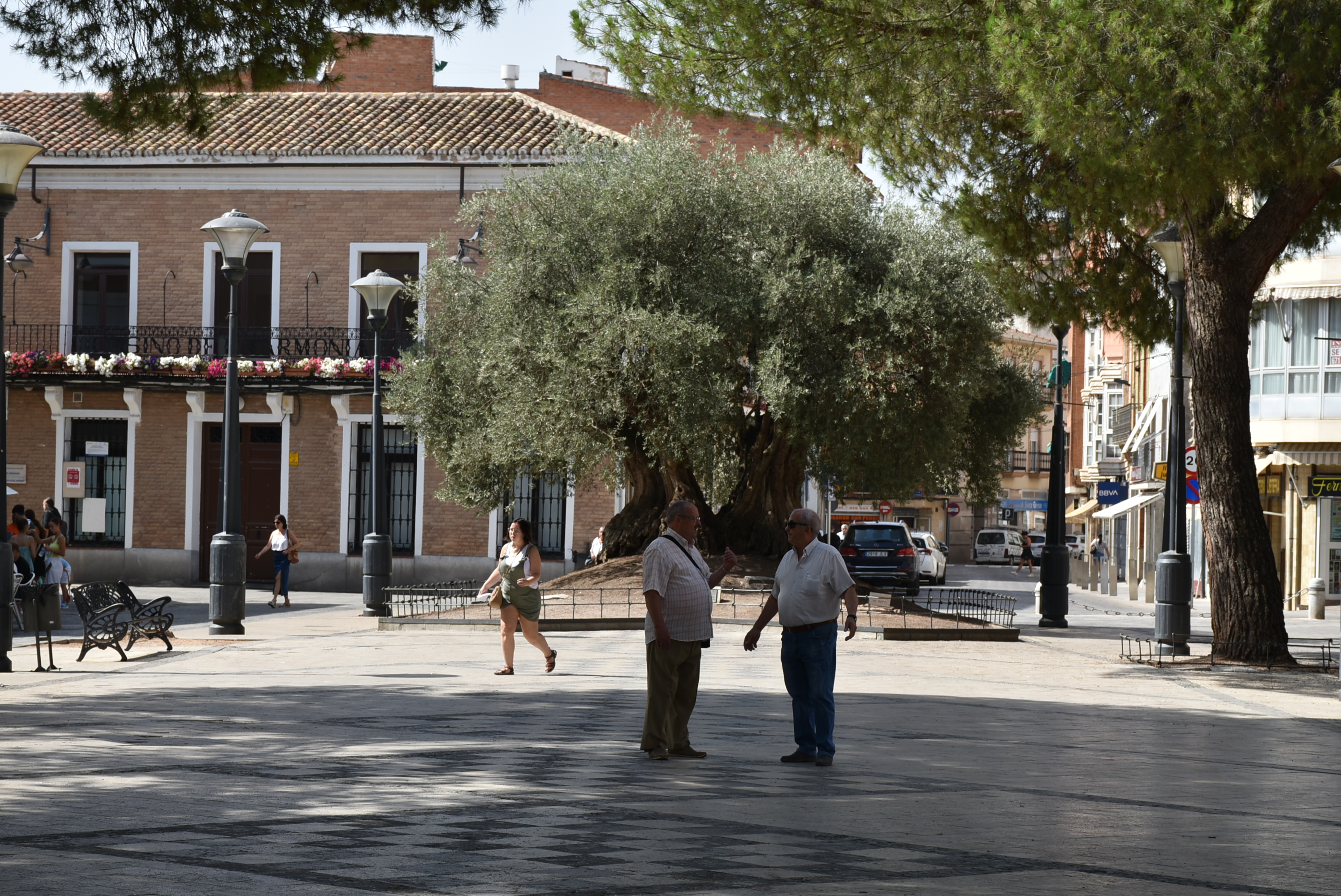
During the event, held in Almuradiel, González shared a meal with representatives from participating entities from France, Portugal, and Spain. The day included a guided tour of the Palacio del Marqués de Santa Cruz in Viso del Marqués, which concluded the organised visit by the Asociación de Desarrollo Tierras de Libertad to showcase the project's progress and results.
The day began in Terrinches with an institutional welcome and a guided tour of the archaeological site of Castillejo del Bonete, one of the most unique heritage sites in the region. Participants then moved to Montiel, where they explored the Castillo de la Estrella, learning about its cistern, defensive structures, and historical significance, while enjoying panoramic views from the site.
The itinerary continued in Almuradiel with a shared lunch, attended by the provincial vice president, before heading to Viso del Marqués to visit the Palacio del Marqués de Santa Cruz, a key monumental reference in the area.
This activity is part of the pilot project by the Asociación de Desarrollo Tierras de Libertad, themed “Tierras de Libertad: 4,000 years of stories.” This proposal aims to offer a new way to discover the region's heritage by combining historical resources, landscapes, and narratives from local inhabitants.
The initiative's distinguishing feature lies in the relationship between heritage and geographical space, providing an interpretative route that allows for an understanding of the historical evolution of Campo de Montiel through its most representative sites and the stories of its inhabitants over the centuries.
Sonia González's participation underscores the Diputación de Ciudad Real's commitment to initiatives that leverage the potential of the province's heritage, cultural, and tourism resources, particularly in rural areas like Campo de Montiel. Here, enhancing the historical legacy presents an opportunity to diversify economic activity and strengthen its appeal as a tourist destination.
In this context, the HITTS project highlights the importance of European cooperation and collaborative efforts between territories to develop innovative tourism experiences that preserve and promote heritage, strengthen regional identity, and contribute to economic and territorial development.
The Diputación de Ciudad Real places significant importance on the activities carried out by Tierra de Libertad and other rural development groups in the province, allocating an annual grant programme to support their initiatives.