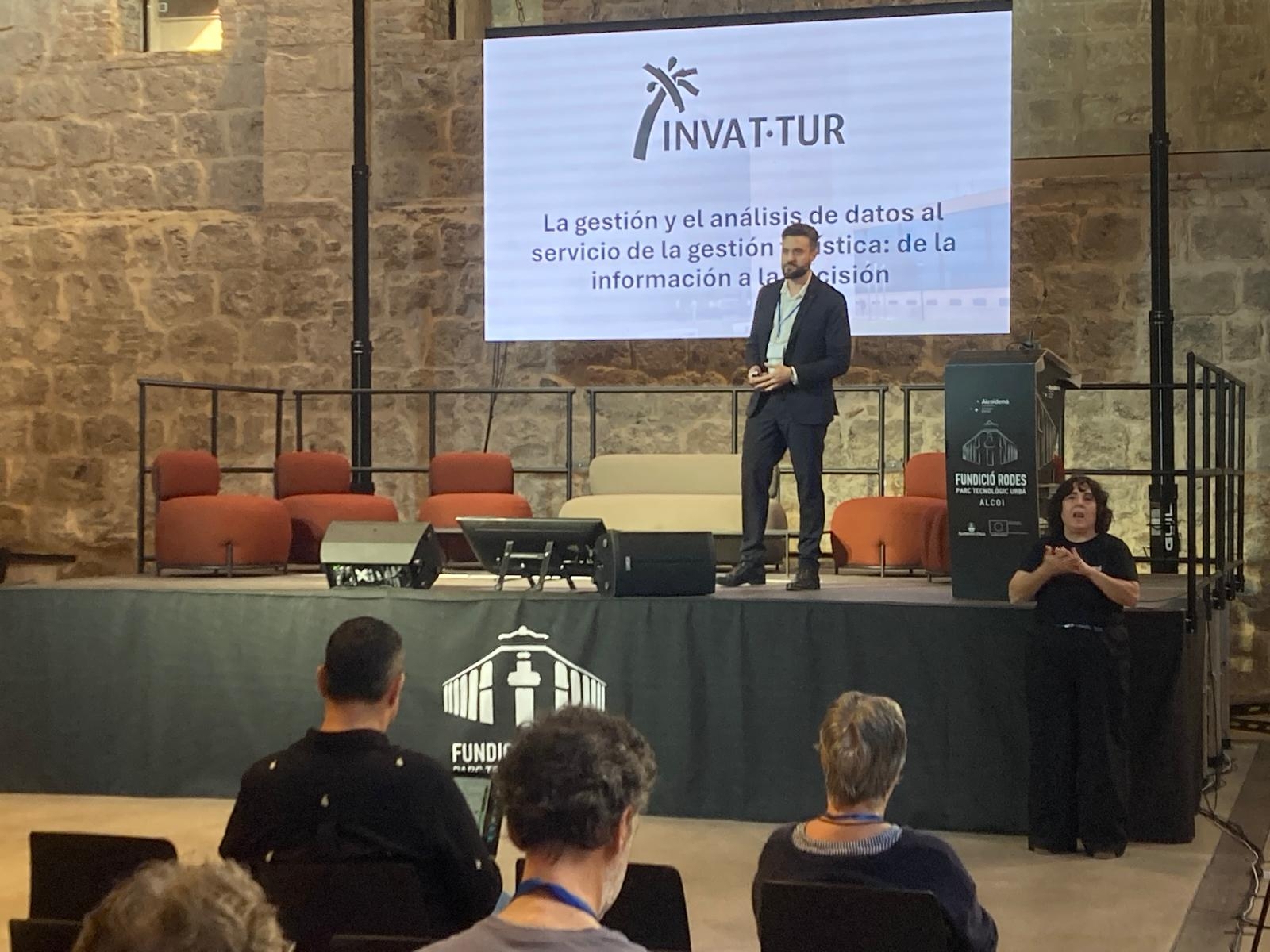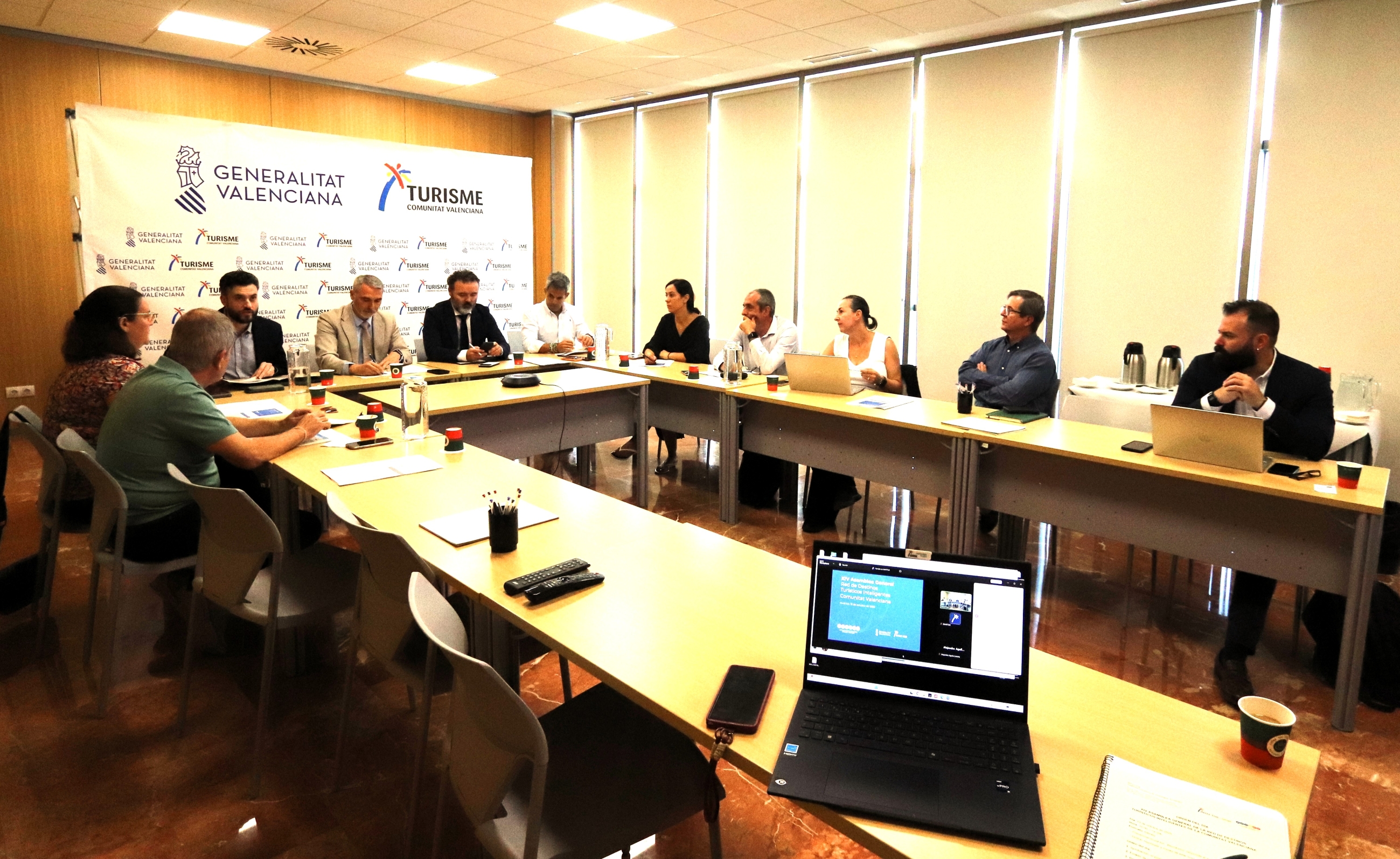
The Red de Destinos Turísticos Inteligentes de la Comunitat Valenciana (Red DTI-CV) convened its XIV General Assembly on 13 October at the Instituto Valenciano de Tecnologías Turísticas (Invat·tur). The session saw participation from 79 destinations, with seven attending in person and 72 joining online.
The assembly reviewed the current status of the network, presented a report on activities conducted in 2026, and outlined key objectives for 2027. A significant focus was placed on the evolution of the DTI-CV model, particularly the update of its indicators and methodology, aimed at enhancing the tool's effectiveness for managing tourism in the Valencian Community.
Growth and consolidation of the network
As of September 2026, the Red DTI-CV comprises 120 destinations and three promoting entities, alongside a collaborative ecosystem that includes 24 technology companies, 10 tourism consultancies, and 18 organisations and institutions. New destinations added between May 2025 and September 2026 include Alzira, Bellreguard, Benigànim, La Font de la Figuera, Moncofa, Ademuz, Serra, and Tuéjar. The collaboration network has also welcomed new partners such as Movisat, Deepsense, consultant Sandra Navarro, and the Digital Intelligence Centre of the Province of Alicante.
The Red DTI-CV continues to establish itself as a cooperative space among destinations, public administrations, and entities related to tourism innovation, fostering the exchange of experiences and the development of tools for smarter tourism management.
Updating the DTI-CV model
A key agenda item was the update of the network's indicators and methodology to better align with the realities of the destinations. The proposal includes a review of eight model areas: governance, sustainability, accessibility, innovation, intelligence, connectivity, information, and marketing. The updated system will feature 162 indicators, reflecting a process that incorporates new variables, discards obsolete indicators, and modifies existing ones. This process will unfold gradually, with destinations expected to begin partial completion of dynamic indicators using 2025 data in 2026, followed by full completion with 2027 data anticipated for 2028.
The methodological evolution also aims to adapt the system to supramunicipal contexts, refine the self-diagnosis tool, and collaborate with destinations to facilitate the new model's implementation.
Sustainability and collaboration
The assembly also reviewed activities undertaken in 2026, including the revival of technical meetings with destinations, board sessions, webinars, the DTI-CV manager course, and the establishment of specialised working groups. In terms of sustainability, a working group within the network comprises 86 destinations and addresses issues such as the dynamic inventory of tourism resources in Vinaròs, the analysis of Sustainable Tourism Plans (PSTD) in the Valencian Community, and the presentation of pilot projects linked to these plans.
The Methodology and Indicators Group is revising and adapting the evaluation system for destinations, involving municipalities with diverse characteristics across the Valencian Community. Planned activities for the second half of 2026 include updating the self-diagnosis tool, reviving accessibility and artificial intelligence working groups, reviewing indicators, and disseminating initiatives and best practices in sustainable tourism.
FESORD CV's participation
The XIV General Assembly also featured FESORD CV, which presented its main lines of action and highlighted its work in accessibility and support for the deaf community. This engagement opened up new avenues for collaboration with the Red DTI-CV, aiming to identify joint initiatives that promote more accessible and inclusive tourist destinations. This collaboration aligns with the network's commitment to enhancing accessibility within the intelligent tourism model and facilitating the exchange of resources, knowledge, and best practices among its members.
The assembly concluded with a session for questions and answers, reinforcing the collaborative efforts of the network and preparing for future initiatives.