The European Heritage Days in Bizkaia are set to continue until the end of October, featuring over 70 free activities aimed at engaging the public with the region's cultural heritage. The initiative, coordinated by the Foral Council of Bizkaia, includes guided tours, workshops, exhibitions, and cultural experiences across various municipalities.
With the theme "Gure eskuetan. El patrimonio en nuestras manos" (In our hands. The heritage in our hands), this 26th edition encourages reflection on the importance of knowing, preserving, and passing on cultural heritage. It highlights the shared responsibility of safeguarding these treasures for future generations.
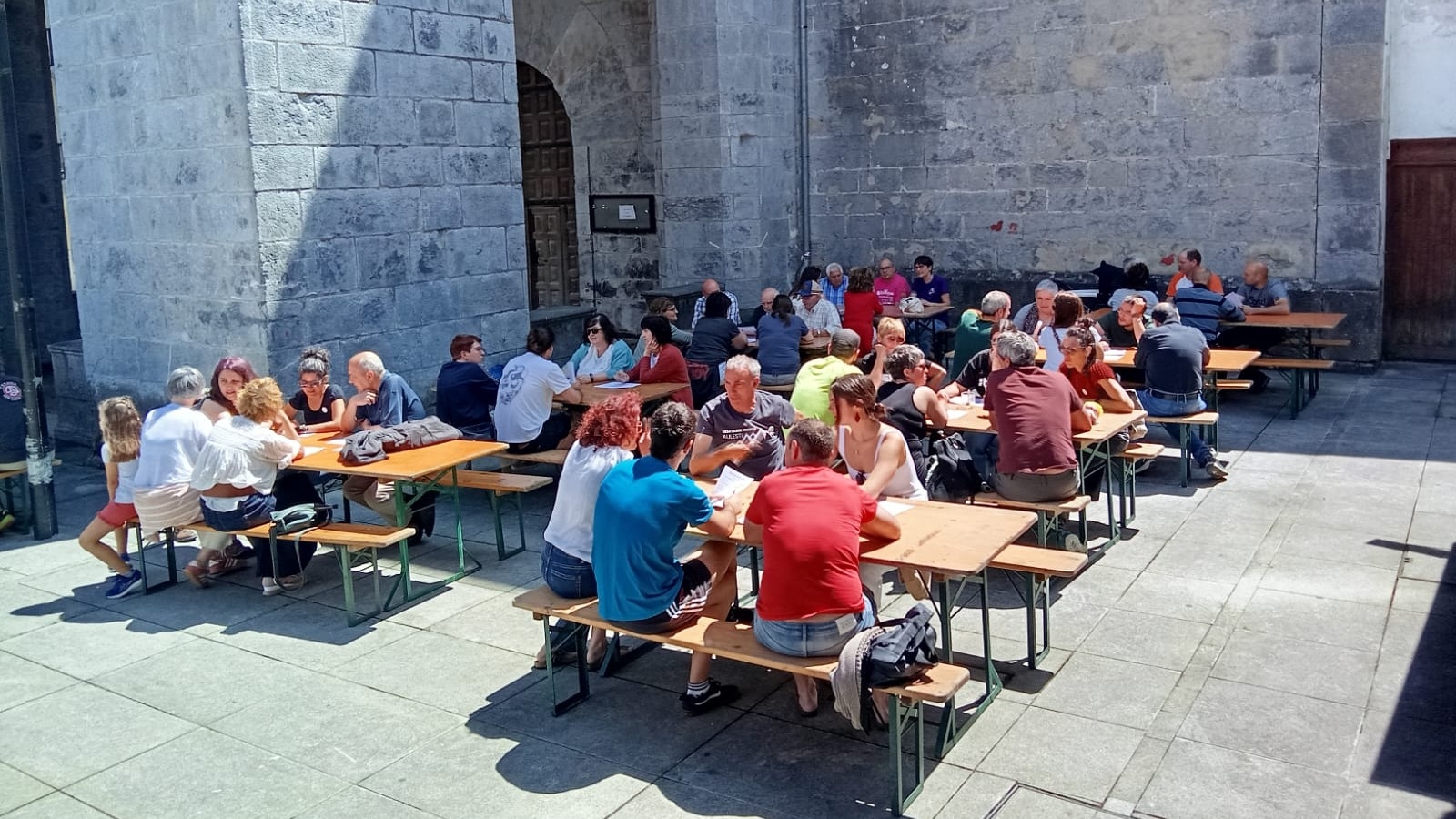
During the second half of October, residents and visitors will have the opportunity to participate in guided visits to historical and heritage sites, urban and natural tours, workshops, conferences, traditional craft demonstrations, family activities, and events focused on the industrial, maritime, architectural, and cultural memory of Bizkaia.
This year’s programme allows access to lesser-known or typically closed locations, showcases conservation and restoration projects, and explores intangible heritage linked to local traditions and lifestyles. It also addresses current challenges in the protection and transmission of cultural heritage.
Since its inception in 1991, the European Heritage Days have aimed to raise awareness about the importance of recognising, valuing, and protecting cultural heritage, in collaboration with the European Union. In Bizkaia, this initiative has evolved into a significant cultural event, drawing participation from 172 entities, including 79 cultural organisations, 33 museums, and 60 local councils.
The collaborative effort has fostered a strong heritage community in Bizkaia, involving cultural associations, educational centres, museums, professionals, artisans, and local government. This collective approach has established the European Heritage Days as a key reference point in Europe for the dissemination, conservation, and enhancement of cultural heritage.
Each edition of the event introduces a different theme, allowing for a multifaceted exploration of heritage, with a focus on social inclusion, sustainability, and community participation. Over the years, the initiative has adapted to reflect evolving concepts of heritage, including intangible heritage, landscapes, and community identities.
The ongoing commitment of over 170 active participants underscores a shared dedication to the promotion, conservation, and appreciation of cultural heritage, ensuring that it remains significant and accessible for future generations.