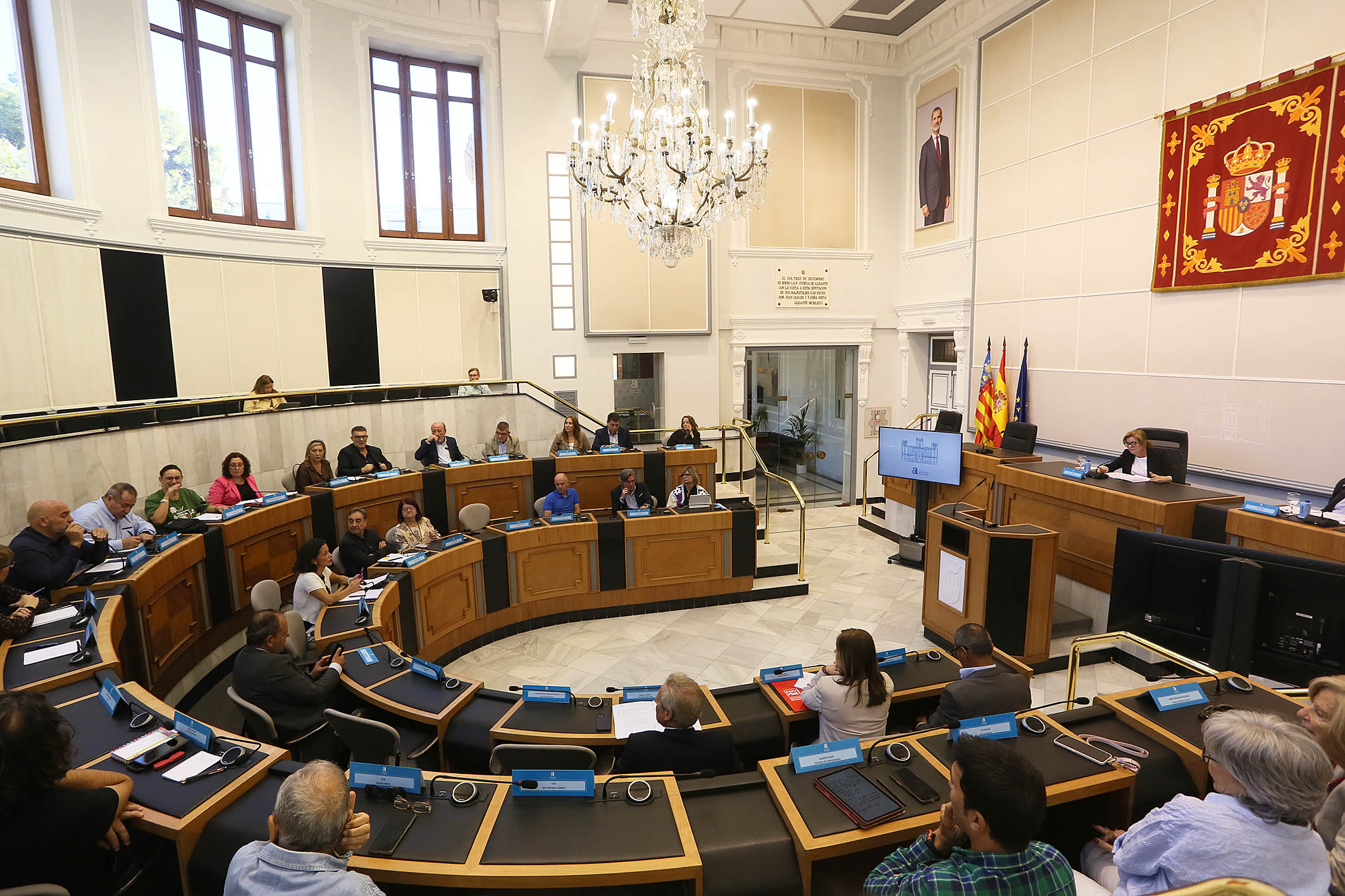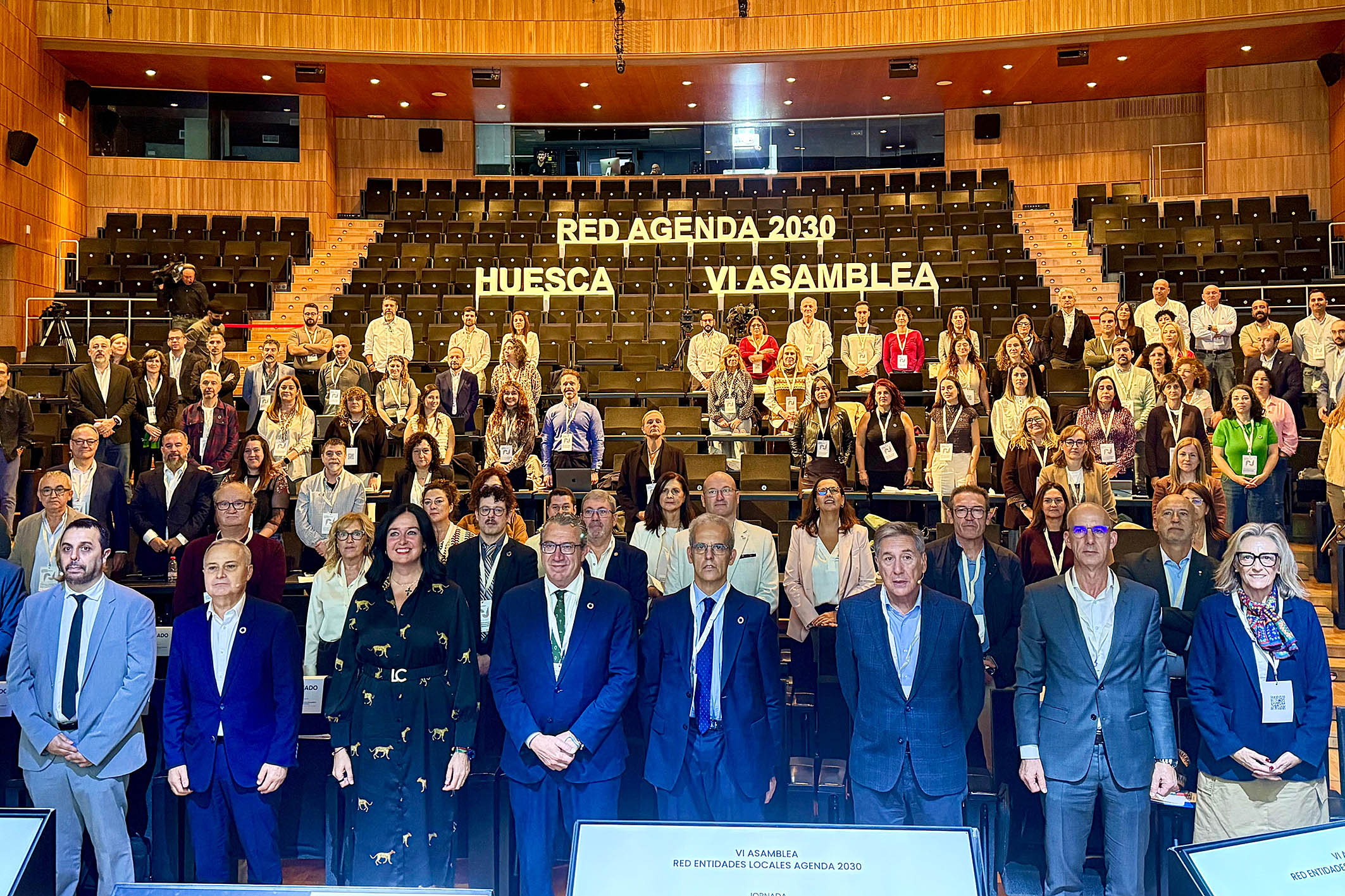
The president of the Diputación de Alicante, Toni Pérez, officially opened the institutional session on 'Coherence of Local Policies from the Agenda 2030' at the Palacio de Congresos in Huesca. The event, taking place over two days, is part of the VI Assembly of the Local Entities Network Agenda 2030.
During his address, Pérez highlighted that discussions will centre on multilevel governance, youth involvement, innovation, communication, and local voluntary reports. He emphasised the importance of preparing administrations to tackle both current and future challenges. “We will primarily discuss how to ensure our administrations are better equipped for the challenges we face now and those we have yet to encounter,” he stated.
The president also noted the aim of fostering a collaborative network that shares experiences and generates solutions. “Behind the more than 850 local entities that are part of this network lies an extraordinary collective capacity for knowledge, innovation, and learning,” Pérez remarked, stressing the responsibility to harness this potential to better address common challenges in their territories.
Pérez, who serves as the president of the Local Entities Network for the 2030 Agenda for Sustainable Development, shared the inauguration stage with Huesca's mayor, Lorena Orduna, the Director General of the 2030 Agenda from the Ministry of Social Rights, Consumption and the 2030 Agenda, David Perejil, and the Secretary General of the Spanish Federation of Municipalities and Provinces, Luis Martínez-Sicluna.
Following the opening, the assembly featured various round tables discussing the coherence of local policies in a multilevel context and youth engagement in the Agenda 2030 actions, along with experiential panels related to local voluntary reports. “We want every local entity, regardless of its size or resources, to find in this network a space to contribute, learn, and advance,” Pérez asserted, adding that while the numbers reflect significant growth, “the true value of this network lies in the people who share, question, experiment, collaborate, and are willing to learn from each other.”
Currently, the Local Entities Network for the 2030 Agenda comprises 855 members, representing over 68% of the Spanish population, making it the largest network within the Spanish Federation of Municipalities and Provinces. Pérez conveyed that “the real success is ensuring that being part of this network is beneficial for large municipalities implementing complex strategies, for provinces supporting dozens of smaller towns, and for local entities with limited resources that find tools, knowledge, and experiences here that are difficult to develop alone.”
The forum will continue tomorrow with additional panels focused on innovation as a driving force for transformation in sustainable development policies and communication as an impactful element. The VI Assembly of the Local Entities Network for Sustainable Development, presided over by Toni Pérez, will take place following the discussion panels.