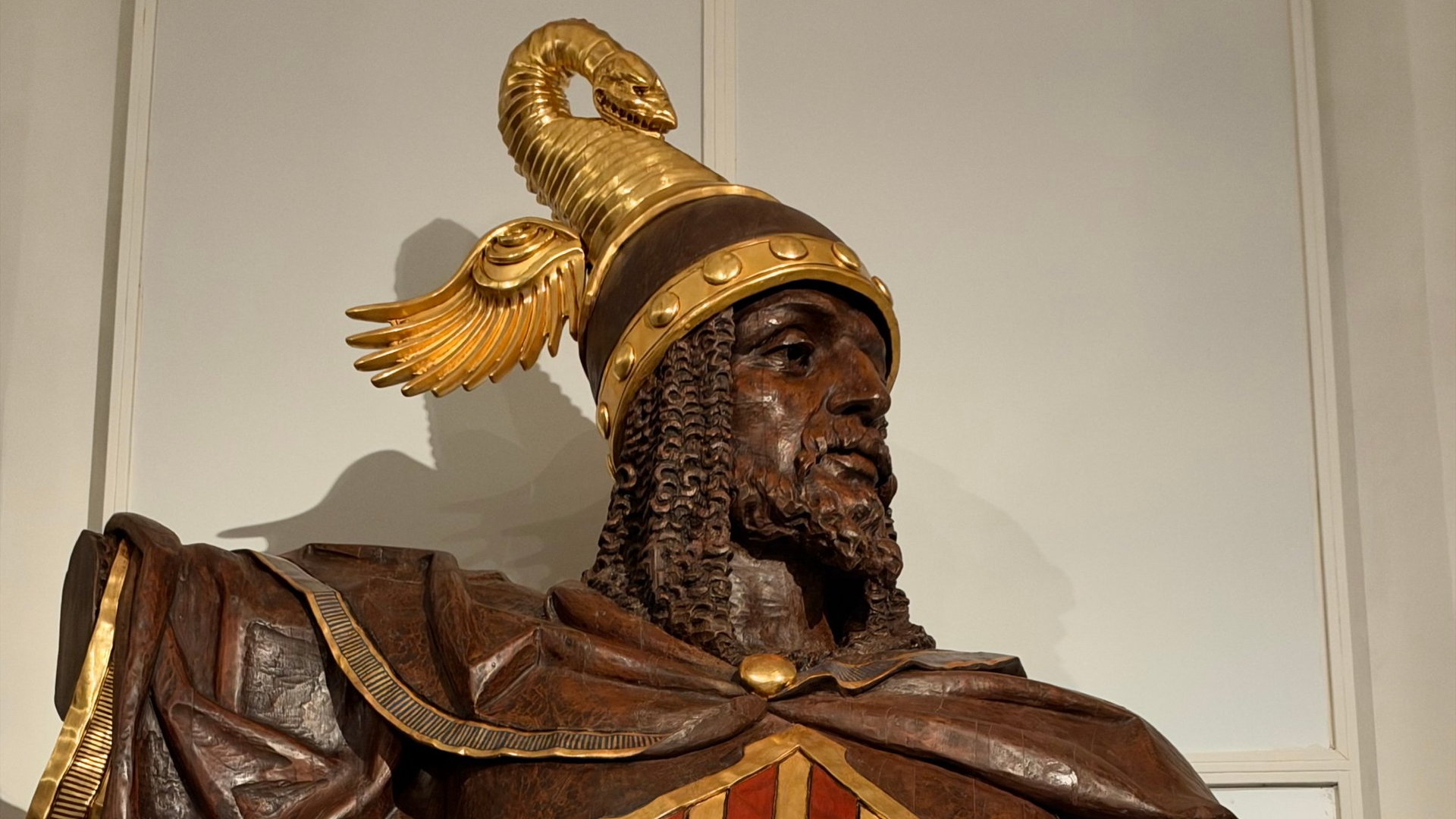
The city council of València has announced the completion of the comprehensive restoration of the wooden bust of king Jaume I, commemorating the 750th anniversary of the monarch's death. This artwork, crafted in 1886 by the Vallmitjana brothers as a prototype for the equestrian statue installed in the Parterre five years later, is currently on display at the Municipal Historical Museum, located in the City Hall.
The museum houses several significant historical items, including the Reial Senyera (the royal banner), the Penó de la Conquesta (the banner of the conquest), and a sword attributed to Jaume I. The restoration project was awarded to the specialised company Noema Restauradores, S.L., at a cost of €3,146, including VAT.
Restoration efforts focused on repairing abrasions and losses in the paint layer, as well as restoring the original polychrome finish of the bust, which is part of the municipal art collections. José Luis Moreno, the cultural delegate, emphasised the importance of this restoration, stating, "With this action, we restore the splendour to one of the historical pieces most closely linked to the image of the monarch. This initiative also helps us better understand our origins, preserve the memory of València, and maintain the connection between the city we have inherited and the one we wish to pass on to future generations."
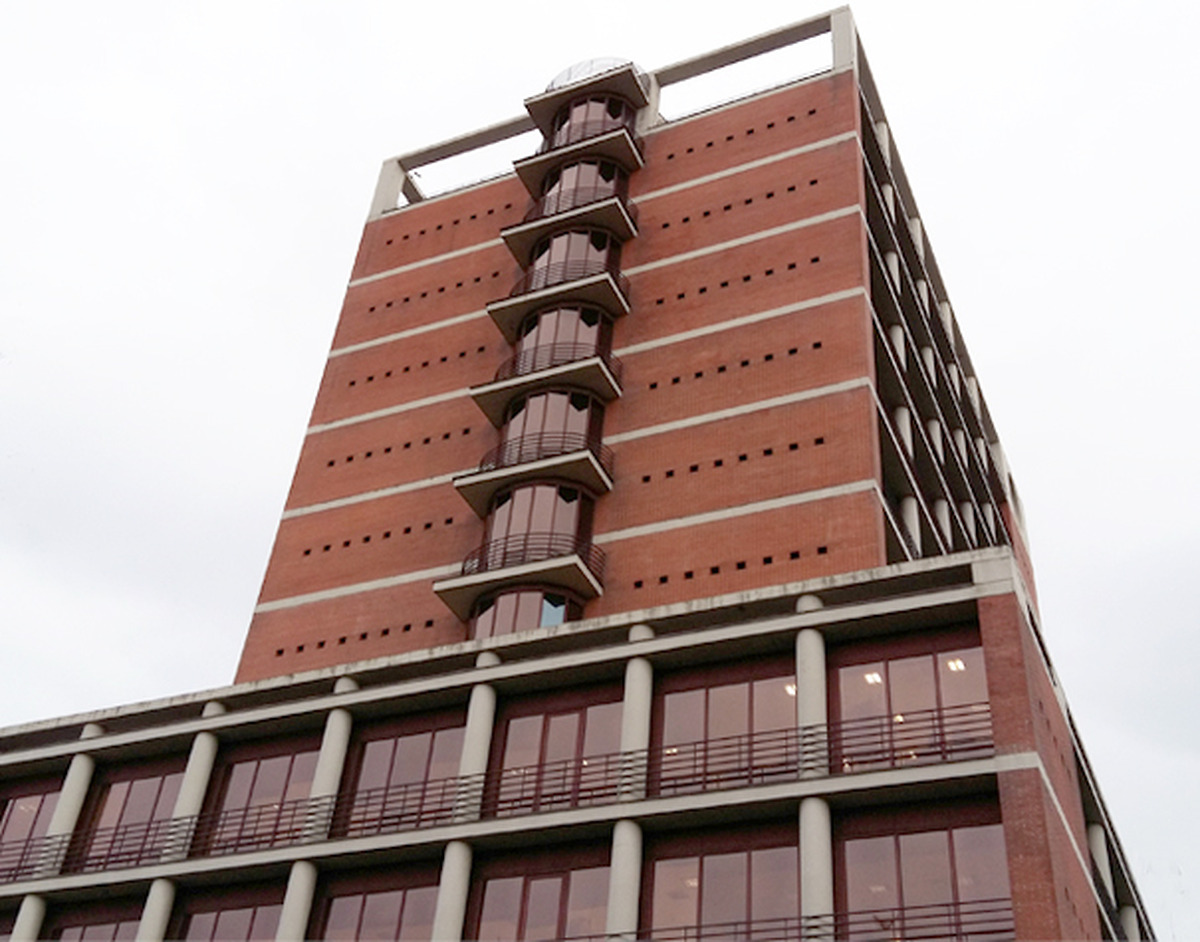
The restored bust will feature in the temporary exhibition titled “Jaume I, regnar el futur,” organised by the city council and the Provincial Council of València to mark the anniversary. The exhibition will showcase over fifty pieces and will be open to the public at the MuVIM (Museum of Enlightenment and Modernity) from 12 November 2026 to 7 February 2027.
According to the final report on the restoration, the bust was in "poor condition" due to the ageing of materials and its construction type. The piece is made from various wooden components, which can warp with temperature changes, leading to cracks and fissures. It also suffered from damage due to impacts and friction, as well as a general layer of dust adhering to the wood and its gilded surfaces.
Prior to the restoration, the artwork and its components were thoroughly studied, applying the principles of minimal intervention, respect for the original, and reversibility of actions. The restoration process primarily involved cleaning, consolidating, and reintegrating lost parts to ensure the preservation of the piece. Cleaning was conducted mechanically, using soft-bristled brushes and micro-aspiration to remove dust. A fungicidal treatment was also applied to eliminate mould, alongside chemical cleaning of the wood and gilded layers, and the latter was secured with organic glue. Finally, fissures and small losses were filled, balsa wood inserts were placed in larger cracks, chromatic reintegration was performed on the repairs, and a protective layer was applied to the entire artwork.