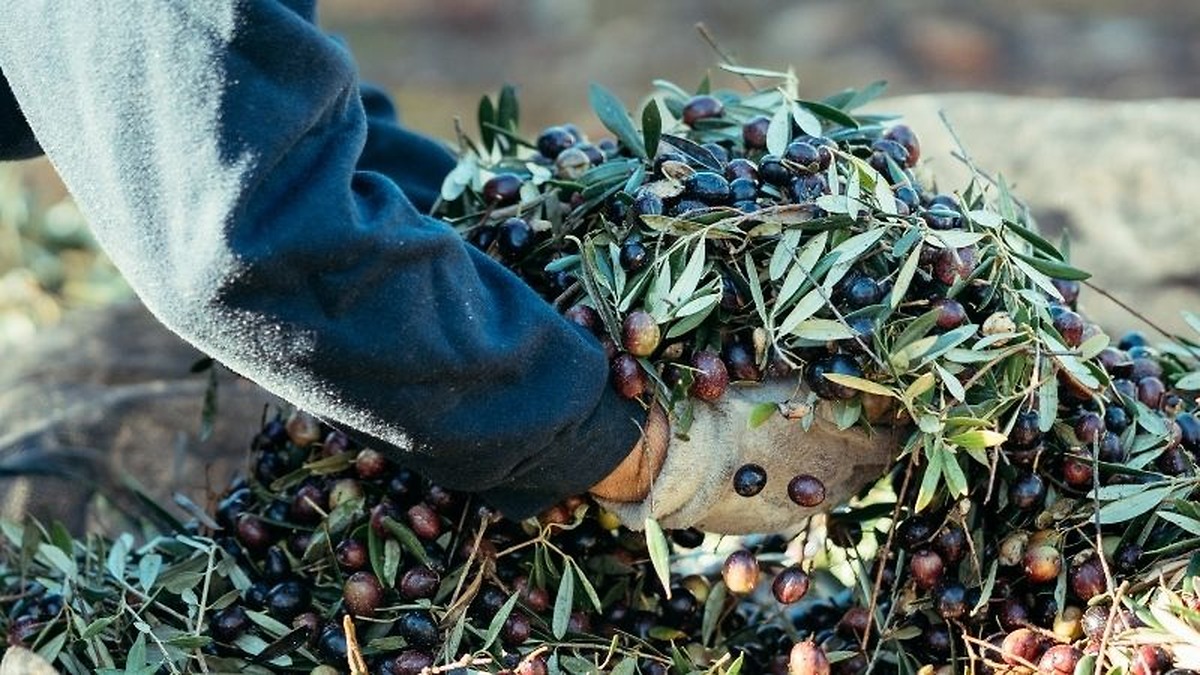
ASAJA Córdoba has expressed its support for the implementation of a temporary withdrawal mechanism for olive oil, viewing it as a necessary step to prevent an oversupply that could lead to a significant drop in prices. Fernando Adell, the president of the organisation, stated that while this measure is a positive development, its effectiveness will ultimately depend on its impact on production costs.
Adell remarked, "This is an important and necessary step to help balance the market," but emphasised that the measure must result in prices that allow producers to cover their costs. He added, "The producing sector has been requesting this tool for some time. Its implementation is good news, but it is not a definitive solution. We will closely monitor its application to ensure that its effects reach the farmers."
Furthermore, ASAJA Córdoba insists that the temporary withdrawal must be accompanied by strict control of imports. Adell pointed out, "It makes no sense to ask producers to temporarily withdraw oil from the market while imports continue to undermine that effort. We have demanded that imports be halted while this measure is in place, and we will continue to insist on this."
The organisation highlighted the importance of ensuring that prices allow producers to cover their production costs and maintain their operations. Adell stressed, "Behind every kilo of oil lies a year of work, investments, and expenses: labour, energy, fertilisers, and many other costs that farmers must face. The profitability of our farms must be at the centre of any action taken."
In Córdoba, ASAJA particularly focuses on traditional and rainfed olive groves, which have less room to reduce costs and play a crucial role in employment and the economy of many municipalities. The organisation warned that the lack of profitability in these farms has repercussions throughout the entire production chain. Adell noted, "When a farm becomes unprofitable, it does not only affect the farmer. Workers, cooperatives, oil mills, and small businesses that depend on agricultural activity are also impacted. Defending our olive groves means defending employment and the future of our towns."
ASAJA Córdoba will monitor the application of the withdrawal mechanism and continue its advocacy to ensure that the efforts of producers lead to greater market stability and fair remuneration for olive growers.