The Ministry of Agriculture, Livestock, Fisheries and Food Sovereignty of the Canary Islands is working on a funding initiative for the Association for Rural Development for the Conservation of Chestnut Trees in Tenerife (CONCASTEN). This support aims to aid projects focused on recovering abandoned farms, preserving traditional chestnut cultivation, and promoting agricultural diversification.
During a visit to the Alpet Ecological Farm in La Orotava, Minister Narvay Quintero highlighted the government's efforts to maintain agricultural operations and combat the chestnut gall wasp through biological control techniques. Quintero's visit on 6 November included discussions with CONCASTEN representatives about their initiatives to restore neglected farms and sustain agricultural activity in the island's midlands.
Quintero emphasised the importance of government support for these initiatives, with the Ministry currently processing a grant to assist in the recovery and conservation efforts led by CONCASTEN. He also mentioned collaborative work with other administrations to facilitate the cleaning and recovery of farms, alongside measures to monitor and control the chestnut gall wasp, a significant threat to this crop.
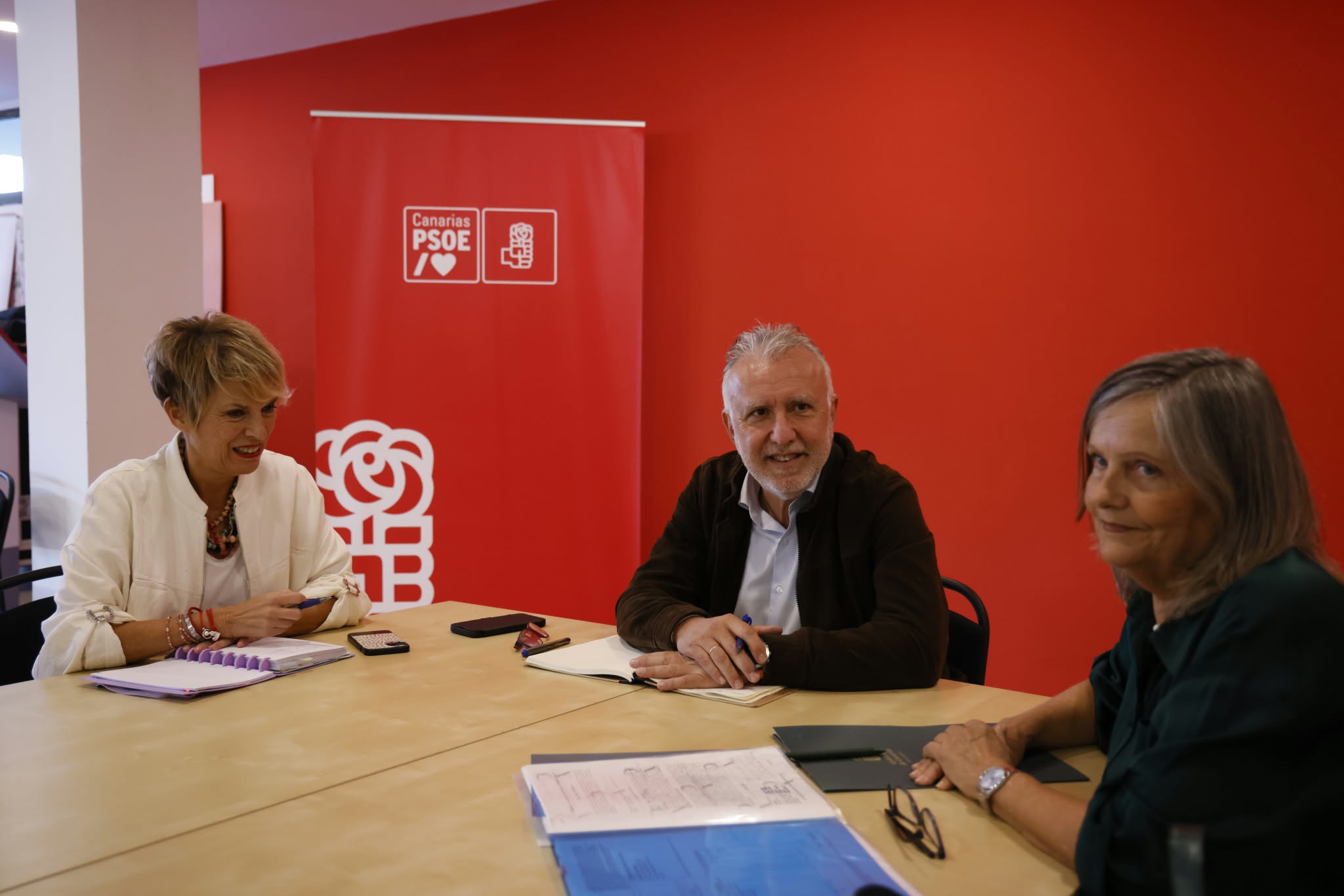
Accompanied by La Orotava's Councillor for Agriculture and Livestock, Alexis Pacheco, and the Deputy Minister of the Primary Sector, Eduardo García Cabello, Quintero toured the farm with CONCASTEN's president Ismael Gutiérrez and other association members. They discussed the primary projects and needs of the collective, which include restoring abandoned land, maintaining chestnut groves, and introducing complementary crops to diversify production and enhance profitability.
Quintero stated, “The conservation of chestnut groves requires the involvement of landowners and administrations, but it is also essential to create opportunities for farms to remain productive and profitable. Therefore, supporting projects that help recover abandoned land, diversify agricultural activities, and preserve our rural heritage is crucial.” He added that “chestnut groves are part of the landscape and identity of Tenerife's midlands. Besides their agricultural and cultural value, they contribute to biodiversity, and their proper maintenance aids in environmental conservation and wildfire prevention.”
In collaboration with other administrations, the government has promoted cleaning and recovery efforts through the public company Gestión y Planeamiento Territorial y Medioambiental (GESPLAN). These interventions have improved maintenance conditions on parcels that had been abandoned for years, facilitating their recovery and allowing agricultural activity to resume.
Councillor Alexis Pacheco noted that La Orotava has approximately 250 hectares of chestnut trees, making it the municipality with the largest area dedicated to this crop. He explained that 75% of this area is used for chestnut production, while the remaining 25% is utilised for artisanal purposes. He stressed the importance of fostering cooperation among farmers to enhance coordination with public administrations and promote initiatives aimed at restoring the tree population.
Ismael Gutiérrez, president of CONCASTEN, outlined the association's initiatives, including organising courses on pruning, grafting, and mycology, knowledge exchange among landowners, and developing projects to improve resource utilisation in these farms. The Alpet Ecological Farm exemplifies this diversification model, combining chestnut maintenance with other crops and agricultural activities to create new economic opportunities that encourage landowners to keep their land productive and carry out necessary conservation work.
During the visit, association representatives also expressed the need to improve access to high midland areas, facilitate farm maintenance, and strengthen resources for farm recovery. They proposed initiatives related to biodiversity protection, such as creating small water points to support wildlife presence.
In addition to support for farm recovery, the government has initiated a monitoring and biological control programme for the chestnut gall wasp (Dryocosmus kuriphilus), developed by the General Directorate of Agriculture, through the Plant Health Service and with the participation of the public company Gestión del Medio Rural (GMR Canarias). This pest affects the buds and shoots of trees, limiting their growth and reducing productivity, resulting in crop losses.
Since 2015, the government has been conducting surveys and monitoring in the main chestnut cultivation areas of the archipelago, as well as in nurseries selling this species. Following the detection of the pest in the Canary Islands in 2020, inspections and monitoring efforts were intensified. In 2023, experimental releases of Torymus sinensis, a parasitoid that acts as a natural enemy of the gall wasp, began, allowing for biological control methods. These efforts have continued through the 2024, 2025, and 2026 campaigns, with new releases in identified hotspots in Tenerife, La Palma, and Gran Canaria, accompanied by monitoring to assess the pest's evolution and the effectiveness of biological control, including the level of parasitism achieved.
The programme is complemented by periodic inspections in nurseries and monitoring measures on the movement of plant materials from affected areas, aiming to limit the spread of the gall wasp and contribute to the protection and conservation of the chestnut groves in the Canary Islands.