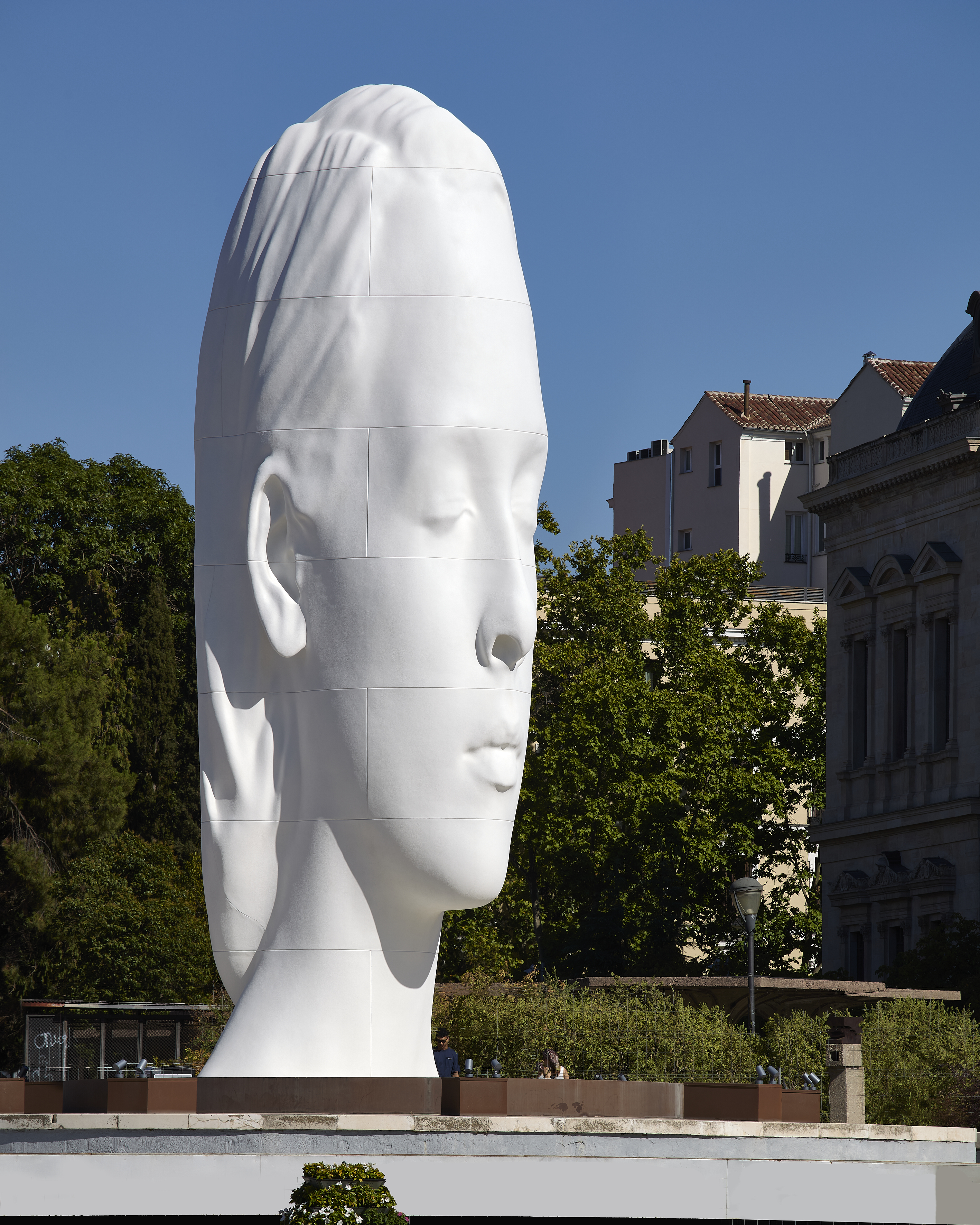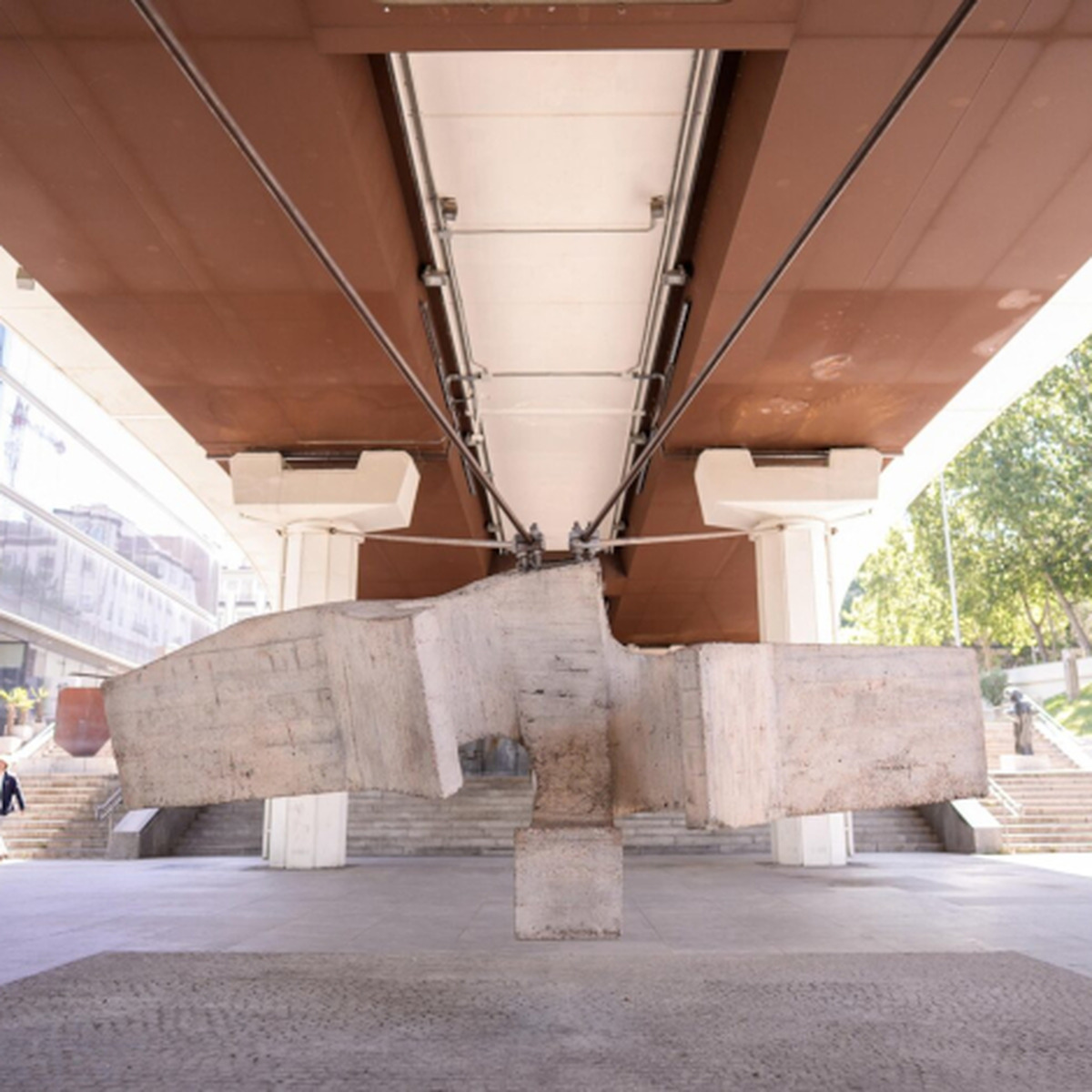
The city of Madrid has unveiled a new digital viewer that enables residents to discover the public art scattered across the city, featuring nearly a thousand artistic elements located in streets, squares, parks, and other urban spaces. This tool, integrated into the municipal Geoportal by the General Directorate of Cultural Heritage and Urban Landscape within the Department of Culture, Tourism and Sport, allows users to easily consult the location of each artwork and learn about its main characteristics.
The new viewer transforms the map of Madrid into a gateway to its artistic heritage, allowing users to view works that are typically encountered in isolation during their city explorations. Marta Rivera de la Cruz, the city’s delegate for Culture, Tourism and Sport, emphasised that “Madrid is also a great open-air museum,” with its “streets, squares, and parks preserving an extraordinary artistic heritage that is part of our identity and daily life.” She added that this new viewer enables citizens to “discover, better understand the works nearby, and approach the history of the city from a different perspective.”
The viewer categorises the artworks into three groups: monuments, muralism, and other artistic elements. The inventory includes sculptures, commemorative plaques, monuments, and various forms of urban art, such as murals. Users can search for artworks based on different criteria, including the names of their creators, the district in which they are located, or their date of creation. This feature allows individuals to explore the artistic heritage of specific neighbourhoods or locate works by particular artists.
The catalogue also includes works situated in privately owned spaces that have a presence and projection in the public realm. Specific criteria have been established for their inclusion, allowing for the identification of pieces with recognisable artistic intent, identifiable authorship, or individualised integration into the urban environment. Muralism has its own dedicated category within the viewer, encompassing both artistically planned works and spontaneous expressions linked to graffiti that have subsequently received heritage protection.
Additionally, the new viewer serves as a working tool for municipal technical services. By compiling information on the artworks and their locations, it enhances understanding of how artistic heritage is distributed across different neighbourhoods and facilitates the monitoring and planning of future initiatives. The tool can also cross-reference its data with other services on the Geoportal, such as information on urban protection, thereby broadening knowledge of each element and allowing for the consultation of various aspects of its status.
This initiative is the culmination of several years of identifying, cataloguing, and georeferencing public art. Its aim is to promote the dissemination of this heritage, ensure its conservation and protection, and enhance its value, while also contributing to a more balanced territorial distribution of artistic works. The viewer is accessible to all citizens through the Geoportal of the City Council of Madrid.