The TV20 plate from the 'Carranza' ceramic collection has been the highlight of a new edition of 'Project Musea', an event focused on heritage, education, and artistic creation aimed at students of the Talavera de la Reina School of Art in Toledo. This initiative is a collaboration between the public educational institution and the Ruiz de Luna Ceramic Museum in Talavera.
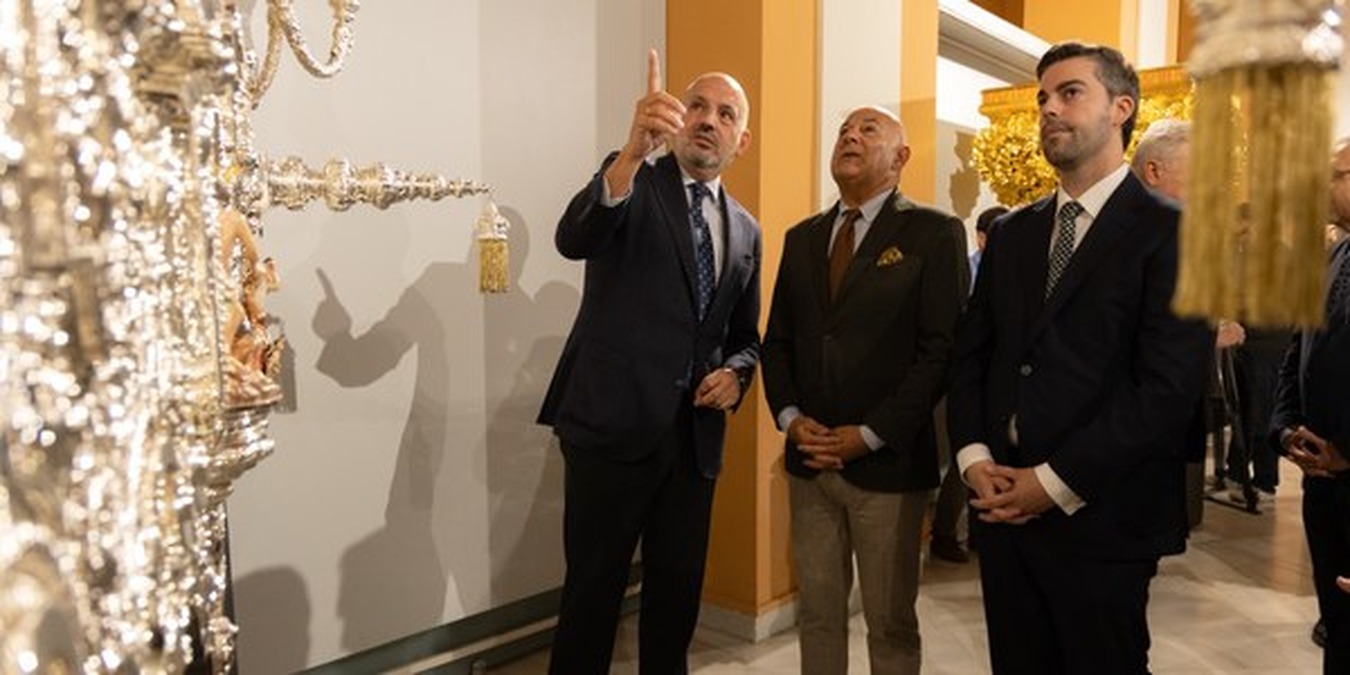
The project showcases a valuable piece from the Carranza collection, displayed alongside works created by participating students inspired by the plate. Attendees included José Gutiérrez, the provincial delegate for Education, Culture and Sports; David Gómez, the regional delegate in Talavera de la Reina; Antonio Dávila, the director of the Santa Cruz Museum; and students from the School of Art.
Throughout the 2025-2026 academic year, an exact replica of the TV20 plate has been housed at the School of Art, serving as a model for this edition of 'Project Musea'. Students have engaged in research, analysis, and the creation of replicas across various disciplines, including ceramics, photography, audiovisual graphics, interior design, and graphic product assistance.
This ceramic piece, created in the second half of the 16th century, is a large-format dish that was considered a luxury item in its time. Made from tin-glazed clay, it reflects the complex socio-economic dynamics of the Renaissance. It belongs to the famous 'tricolour series' and is notable for the purity and unusual thickness of its tin glaze, which gives it a dazzling brightness and whiteness. The plate features an elegant border of Corinthian palmettes in alternating orange and blue, framing a central motif of intertwined crosses and zeros, reminiscent of the 'flower of the encomienda', a symbol associated with the embroidery of military orders of the era.
Students from various specialisations at the School of Art have undertaken a multidisciplinary project centred around the Carranza plate, investigating its history, analysing its forms, ornamental motifs, and production techniques, while reinterpreting its legacy from a contemporary perspective. They have created ceramic replicas, reconstructed and transformed decorative patterns, produced moulds and reproductions, designed lighting, digitised ornamental motifs for application through ceramic transfers, and developed video mapping pieces, soundscape compositions, and photographic series documenting both the original work and the creative processes in the workshops.
José Gutiérrez praised 'Project Musea', which the School of Art has been developing since 2022 in collaboration with the Ruiz de Luna Ceramic Museum managed by the regional government. He described it as an opportunity for students to apply their professional and creative skills while discovering new possibilities for connecting traditional craftsmanship, design, and technology.
Gutiérrez highlighted the School of Art as a leading institution within the educational framework of Castilla-La Mancha, noting its role in promoting the region's name through its work. The school currently has 249 students and 44 teachers, offering six vocational training cycles, two intermediate cycles, and four higher-level cycles, in addition to an Arts Baccalaureate.
He also referred to the ongoing interactive dialogue between the students and the Ruiz de Luna Museum, which facilitates a unique project that explores both 16th-century artisanal techniques and modern graphic design methods. Gutiérrez expressed pride in the fact that the valuable pieces from the Carranza collection, housed at the Santa Cruz Museum in Toledo, are central to the 'Musea' project, allowing students to engage with, research, and create inspired by these historic works—a groundbreaking opportunity.
Furthermore, he announced the regional government's initiative to bring the Carranza ceramics to various locations across the region through a travelling exhibition set to begin next week in Ciudad Real. This exhibition will feature a total of 135 pieces from Manises, Seville, Aragón, Catalonia, and primarily from Talavera de la Reina and Puente del Arzobispo.