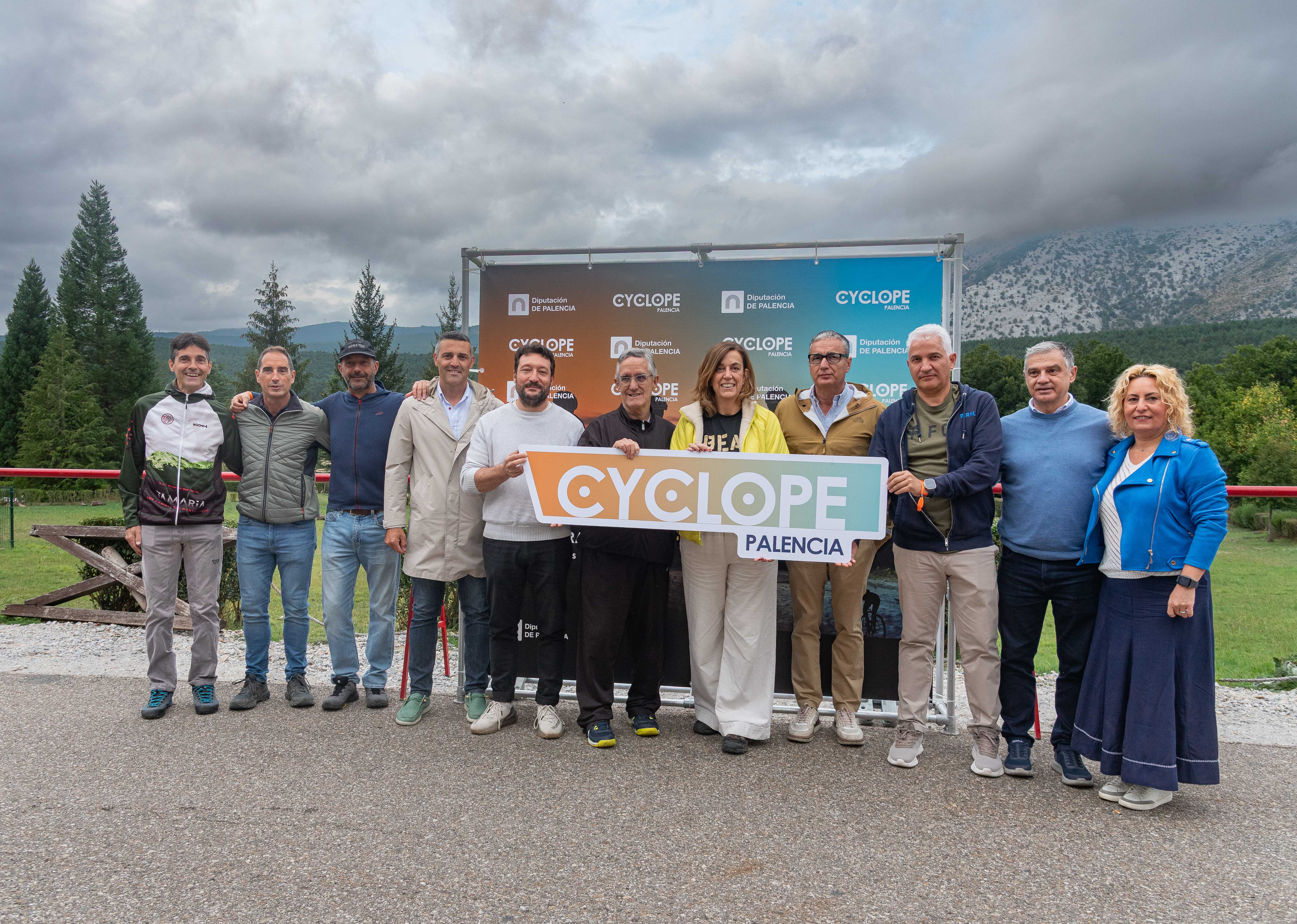
Cyclope, an initiative by the Diputación de Palencia, has announced the incorporation of Tamaria into its programme, alongside interest from around 20 entities in the Montaña Palentina region wishing to join the product brand. This development underscores Cyclope's role as a vital network for promoting cycle tourism in Palencia.
The event held in Velilla del Río Carrión brought together businesses, professionals, and organisations in the sector to foster new cycling-related experiences. Since its launch in 2020, Cyclope has grown to include approximately 50 routes covering thousands of kilometres across road, gravel, and mountain biking (BTT) disciplines.
Promoting tourism and economic development
The Diputación de Palencia hosted a working day focused on Cyclope, aiming to transform cycling and cycle tourism into tools for tourism promotion, economic dynamism, and regional cohesion. Participants shared experiences, projects, and collaboration opportunities, while also learning about the latest developments in Cyclope.
Attendees explored the Montaña Palentina through various routes and later engaged in discussions about cycle tourism, territory, and new business opportunities. Ángeles Armisén, the president of the Diputación, emphasised the importance of the region's infrastructure for sports, stating, “The best infrastructure we have for practising sport is our own territory.” She highlighted the aim of the provincial institution to convert this potential into opportunities for local communities and businesses.
Expanding cycling routes
Six years after its inception, Cyclope now features about 50 circular routes designed to traverse over ten municipalities, allowing participants to discover the province through three cycling modalities: road, gravel, and BTT. The road cycling segment comprises five stages, covering approximately 500 kilometres with over 4,000 metres of positive elevation gain, primarily utilising the quiet secondary roads of the province.
The gravel routes include seven stages, nearly 580 kilometres, and more than 5,000 metres of elevation gain, incorporating attractions such as the Canal de Castilla, the Camino de Santiago, Roman villas, and Romanesque heritage. Additionally, the BTT circuit, known as the Vuelta a la Montaña Palentina, consists of four stages, over 200 kilometres, and more than 5,000 metres of elevation gain, showcasing the region's diverse landscapes.
Collaboration with Tamaria
A significant highlight of the event was the announcement of Tamaria's collaboration with Cyclope, focusing on the recovery, opening, cleaning, and maintenance of ancient paths and trails to create new spaces for sports and enjoyment of the territory. This partnership aims to enhance the provincial strategy for expanding and improving cycling offerings.
Furthermore, under the Montaña Palentina Sustainable Tourism Plan, new initiatives related to cycling are being developed, including BTT and trail circuits in Guardo and Velilla del Río Carrión, as well as new infrastructure to promote cycling mobility.
Interest from local entities
Another key development is the progress of the Cyclope Product Brand, designed to incorporate businesses and entities offering services related to cycle tourism, thereby creating a specialised network around this activity. Currently, nearly 20 entities from the Montaña Palentina have expressed interest in joining this initiative, marking a first step towards expanding the brand across the province.
The goal is to ensure that those choosing Palencia for cycling can also find accommodations, specialised companies, activities, services, and experiences linked to cycling, turning the sport into a gateway for exploring local communities and generating economic activity.
Engagement from businesses and professionals
The event featured representatives from Ciclolodge, The Wolf, Tamaria, and Mahle, alongside the Diputación de Palencia. Their insights provided various perspectives on the growing sector, including specialised accommodations, sports event organisation, route creation and maintenance, and the bicycle-related industry.
The day included cycling routes through the Montaña Palentina, a networking lunch, and a podcast-style discussion led by Los Bikineros, where experiences and proposals for further developing cycle tourism were shared.