The Port of Santander has been honoured with the Sustainability Actions 2026 award, presented by Custommedia, a communications group focused on sustainability. This recognition highlights the port authority's commitment to environmental protection and its membership in Green Marine Europe, making it the first European port to join this maritime environmental certification programme.
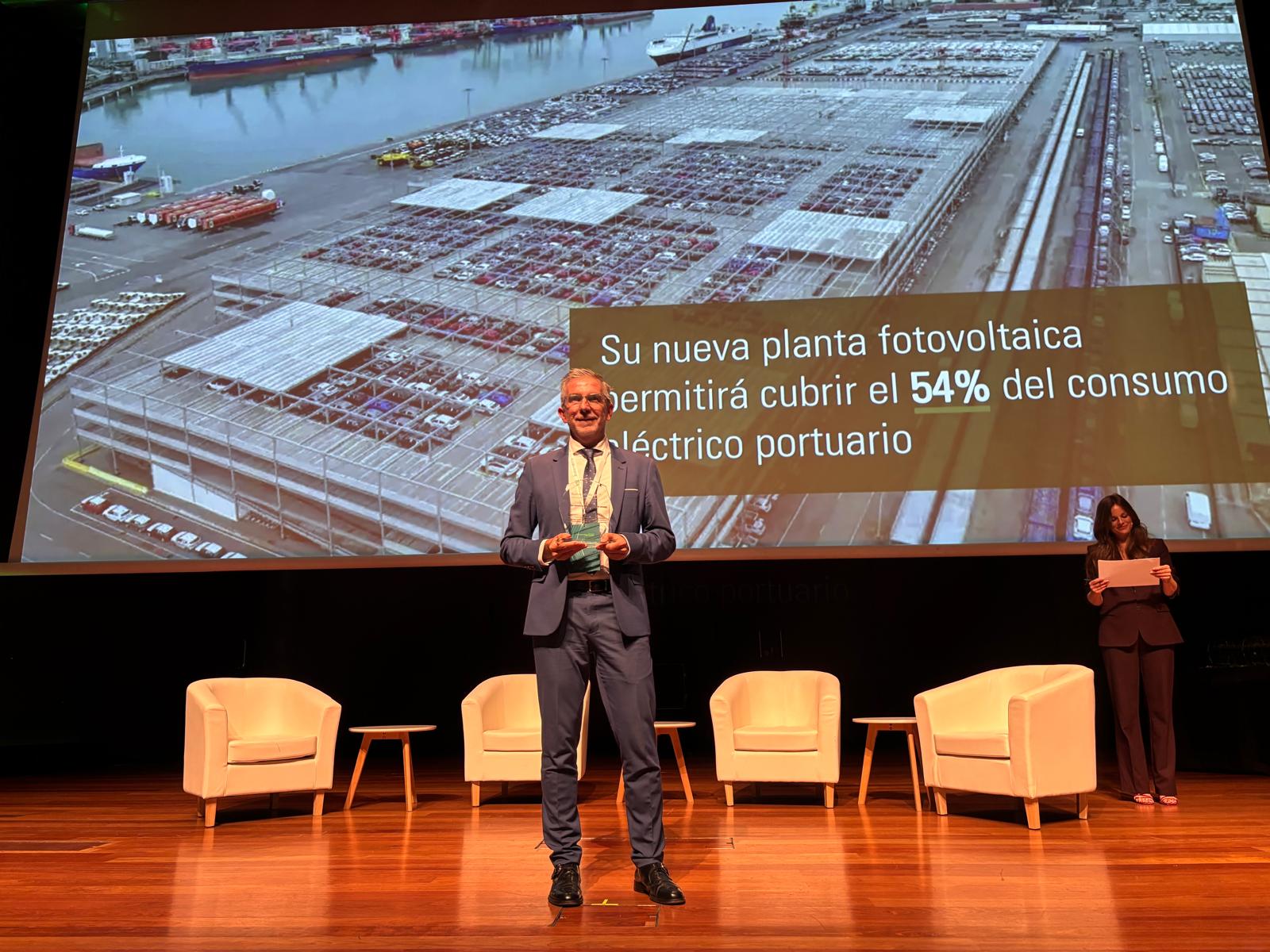
The award was presented at Sustainability Day 2026, held at the auditoriums of the Museo Reina Sofía in Madrid. This event showcases pioneering initiatives from businesses, public administrations, foundations, and other organisations contributing to sustainable development while recognising actions with environmental and social impact.
During the award ceremony, César Díaz, president of the Port Authority of Santander (APS), emphasised the importance of balancing economic and logistical activities with the conservation of the natural environment of the bay. “It is an honour to receive this award on behalf of the Port of Santander, and it is particularly gratifying to see that our daily efforts to become more sustainable are being recognised,” Díaz stated.
The Cantabrian port operates in an area of significant environmental value, where the movement of goods, cruise ships, and recreational vessels coexists with marshes and aquatic biodiversity. This reality reinforces the institution's commitment to a competitive port model that integrates marine protection into its decisions and operations. “Our duty is to remain a competitive port while protecting what makes us unique. Every decision we make is closely linked to the protection and care of our bay, which is our source of progress and a fundamental part of our identity,” he added.
Díaz further noted that “actions such as our joining Green Marine Europe, making us the first port to take this step, reflect our desire to go beyond mere compliance with regulations, acting proactively and responsibly while committing to transparency and continuous improvement in environmental matters.”
This recognition serves as a new impetus to continue working with the port community and society as a whole in protecting the bay of Santander and building a more sustainable future for the port and its surroundings.
Environmental strategy of the APS
The Port of Santander's membership in Green Marine Europe complements its adherence to the EMAS (Eco-Management and Audit Scheme) regulation, a voluntary European Union tool that recognises organisations committed to continuous improvement, transparency, and environmental compliance. It also aligns with the implementation of the PERS (Port Environmental Review System), a unique certification specific to the port system that attests to the port's proactive approach to environmental protection.
These commitments are supported by various initiatives aimed at reducing the environmental impact of port activities and advancing energy transition. Key actions include:
- Electrification of the docks: Developing infrastructure that allows ships to connect to the electrical grid during their stay in port, reducing the need to keep auxiliary engines running.
- Renewable energy generation: Installing a photovoltaic plant on the roof of the vehicle silo, which will cover approximately 54% of the port's electricity consumption.
- Climate change adaptation: Developing and promoting measures to anticipate and address the effects of climate change on port infrastructure and activities.
These actions reflect a vision of sustainability as a transversal process requiring planning, investment, collaboration, and ongoing evaluation of results. “Sustainability is not the result of a single action but a journey that demands commitment, collaboration, and a willingness for continuous improvement,” concluded Díaz.