The ‘Mayores prematuros’ programme, initiated by the Madrid City Council, is designed to enhance the integration of individuals over 40 years old with intellectual disabilities into a normalised setting that aligns with their early ageing. This initiative encourages interaction and coexistence between people with and without intellectual disabilities, who share common interests and challenges such as memory preservation and mobility.
The project aims to create a more inclusive society while also addressing the need for leisure time for family members who act as caregivers. It is currently implemented in three municipal senior centres in the Fuencarral-El Pardo district, two in Villaverde, and one in San Blas-Canillejas, in collaboration with organisations such as Fundación Down Madrid, Afandice, and Cirvite.
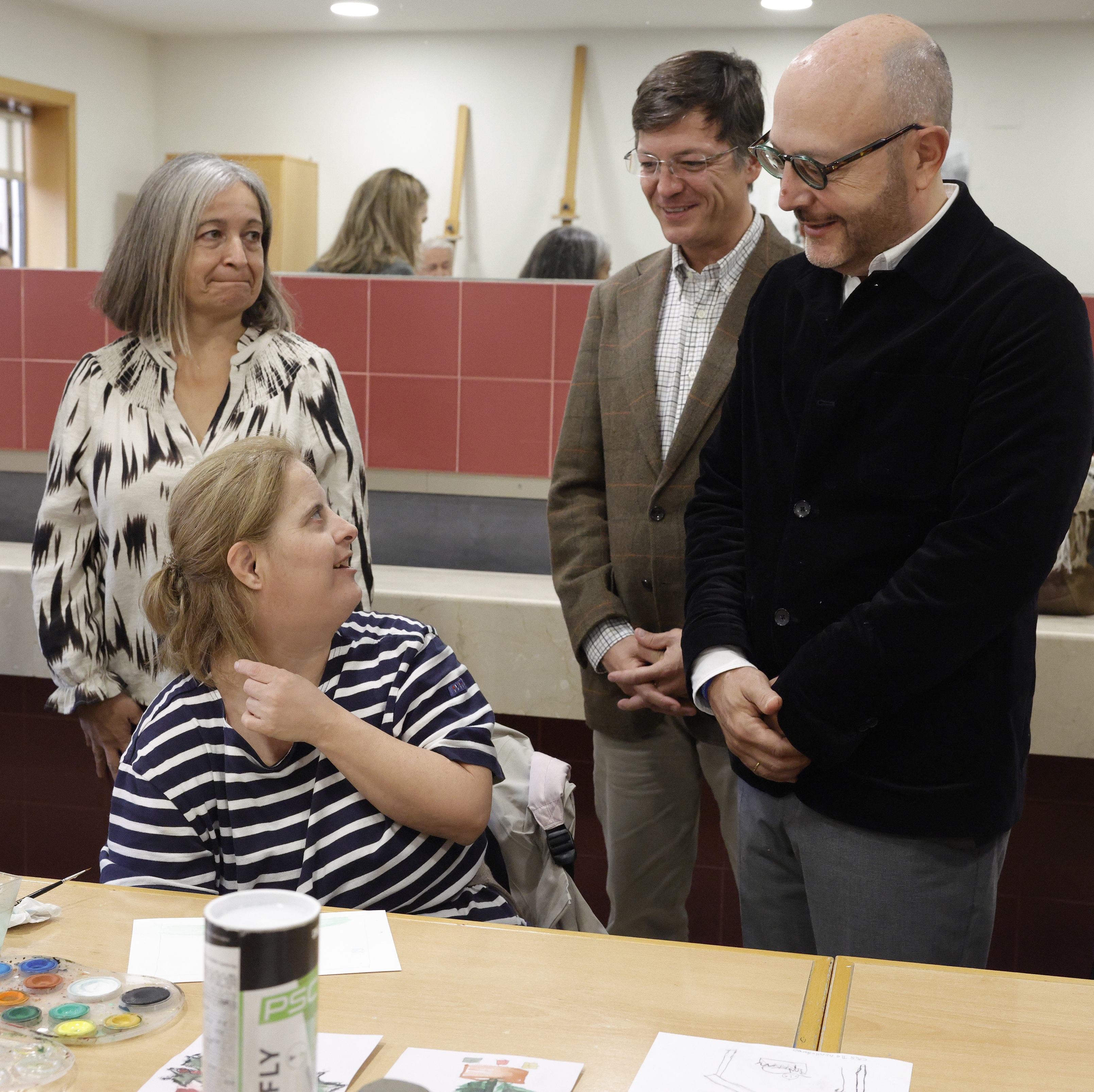
José Fernández, the delegate for Social Policies, Family and Equality, along with José Antonio Martínez Páramo, the councillor for Fuencarral-El Pardo, visited the La Vaguada Municipal Senior Centre, where the ‘Mayores prematuros’ programme is in action. This initiative not only promotes the integration of individuals with intellectual disabilities but also facilitates their participation in a supportive environment that fosters social interaction.
Following a successful pilot experience that began in 2022, the programme has now been established in six city resources. It allows participants to engage with others who share similar interests and challenges, thereby creating bonds and support networks among users. The senior centres are positioned as inclusive spaces that provide opportunities for socialisation and engagement for individuals with common needs and interests.
Currently, the ‘Mayores prematuros’ programme is active in three senior centres in the Fuencarral-El Pardo district, in partnership with Fundación Down Madrid. At the Islas Jarvi Senior Centre, participants engage in cognitive training workshops, while the Mirasierra Centre focuses on robotics. The La Vaguada Centre offers two weekly activities within the programme: inclusive theatre and a watercolour workshop. During a recent visit, Fernández and Martínez Páramo observed a session that included 11 participants, four of whom have Down syndrome. These classes are supervised by a professional from Fundación Down Madrid and conducted by volunteers.
The activities aim to enhance sensory and cognitive stimulation, eye-hand coordination, fine motor skills, creativity, emotional expression, and concentration, ultimately improving users' self-esteem and relaxation. The programme also takes place at the Canillejas Senior Centre in the San Blas-Canillejas district, in collaboration with Cirvite, where users participate in a tai chi workshop.
In Villaverde, the programme is implemented in two centres alongside Afandice: at the Villalonso Centre, activities include shared reading, sewing, and physical exercise, while the Eduardo Minguito Centre offers yoga and physical exercise sessions.
Over the past 50 years, the life expectancy of individuals with Down syndrome has increased by at least 30 years, approaching an average lifespan of 60 years. To ensure their well-being, it is crucial to address their premature ageing, which this municipal programme does through prevention, early detection of functional decline, and community integration. Early intervention helps combat the loss of abilities and allows users to maintain as much autonomy as possible.
The programme also fosters social, cognitive (attention, language, orientation, self-regulation), and emotional (self-esteem, empathy, security) skills. Additionally, it contributes to building a more inclusive city and society. Through direct experience, older users of the senior centres become more aware of the realities faced by their new companions with intellectual disabilities, leading to a shift in perception regarding their capabilities. They have formed collaborative and friendly bonds with these individuals.
This service also addresses the needs of family caregivers, providing them with the necessary free time for rest, personal care, or leisure activities.