Representatives from UNESCO, the British Museum, Ibermuseos, and heritage administrations from Europe, Africa, and Latin America will participate in the symposium titled Diásporas Patrimoniales on 12 and 13 November. The event will focus on the dispersed Canarian legacy, institutional cooperation, and the scientific and ethical dilemmas related to collections and human remains.
Tenerife will host international specialists, museum officials, researchers, and representatives from heritage administrations at the International Symposium on Dispersed Heritage. The gathering aims to analyse the historical circumstances that have led to the dispersion of cultural assets and the current possibilities for research, institutional cooperation, and restitution.
Organised by the General Directorate of Culture and Cultural Heritage of the Government of the Canary Islands, in collaboration with the Cabildo of Tenerife, the symposium will feature 25 invited guests from thirteen countries, linked to museums, universities, heritage administrations, and international organisations.
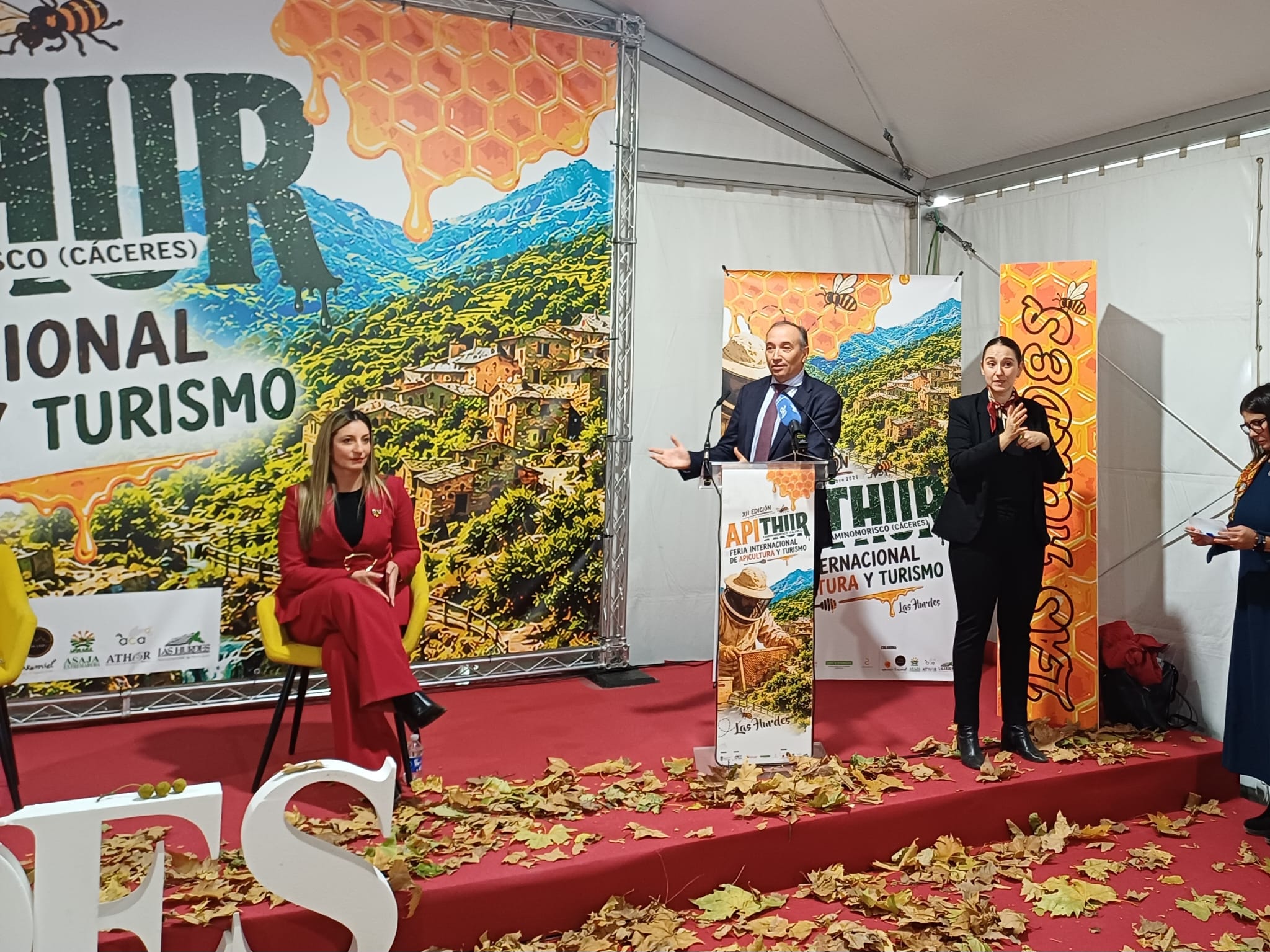
During the presentation, Migdalia Machín, the Minister of Universities, Science, Innovation, and Culture, highlighted that “recovering dispersed Canarian heritage is an obligation for the Government of the Canary Islands,” describing it as a long-standing aspiration of the Executive that remains a pending task. She emphasised the symposium's importance as a “meeting space for professionals and specialists that will scientifically pave the way for its recovery.” Machín also noted that the artefacts preserved outside the archipelago are part of Canarian cultural identity and represent who they are.
Miguel Ángel Clavijo, the General Director of Culture and Cultural Heritage, stressed the need to deepen knowledge of Canarian heritage held outside the archipelago and to establish cooperation pathways with the institutions that safeguard these collections. Archaeologist Jorge Onrubia, a member of the scientific direction, pointed out the “historical complexity of the phenomenon and the necessity to analyse the particular circumstances of each collection.” He added that the history of dispersed heritage “is complex and cannot be explained by a single cause.”
The programme will include representatives from institutions such as UNESCO, the British Museum, the Ibermuseos Programme, the Organisation of Ibero-American States, and Brazil's National Historical and Artistic Heritage Institute, alongside officials from heritage administrations and museum professionals from various countries. The scientific direction comprises Jorge Onrubia Pintado, Isaac Sastre de Diego, and Jared Carballo Pérez.
The agenda is structured into six panels addressing the history of collecting and appropriation practices, cooperation and restitution policies, international experiences, and the particularities of dispersed Canarian heritage. The second day will focus on collections related to the Canary Islands that are held outside the archipelago, featuring several specialists in a dedicated panel.
The aim is to position the Canarian case within a broader international debate, considering both the historical contexts of the collections' dispersal and the scientific, ethical, and institutional criteria that should guide their research and management.
The symposium will conclude with the reading of the Declaration of Santa Cruz de Tenerife, intended as a starting point for ongoing discussions among participating institutions beyond the two days. This declaration will serve as a reference for the Commitment to the Dispersed Canarian Legacy that the Government of the Canary Islands aims to promote following the event.
Artist Yapci Ramos will participate in the symposium's closing with Monumenta, a performance that will integrate contemporary creation into the reflection on dispersed cultural heritage. The academic sessions will take place at TEA Tenerife Espacio de las Artes in Santa Cruz de Tenerife and will require prior registration until capacity is reached.