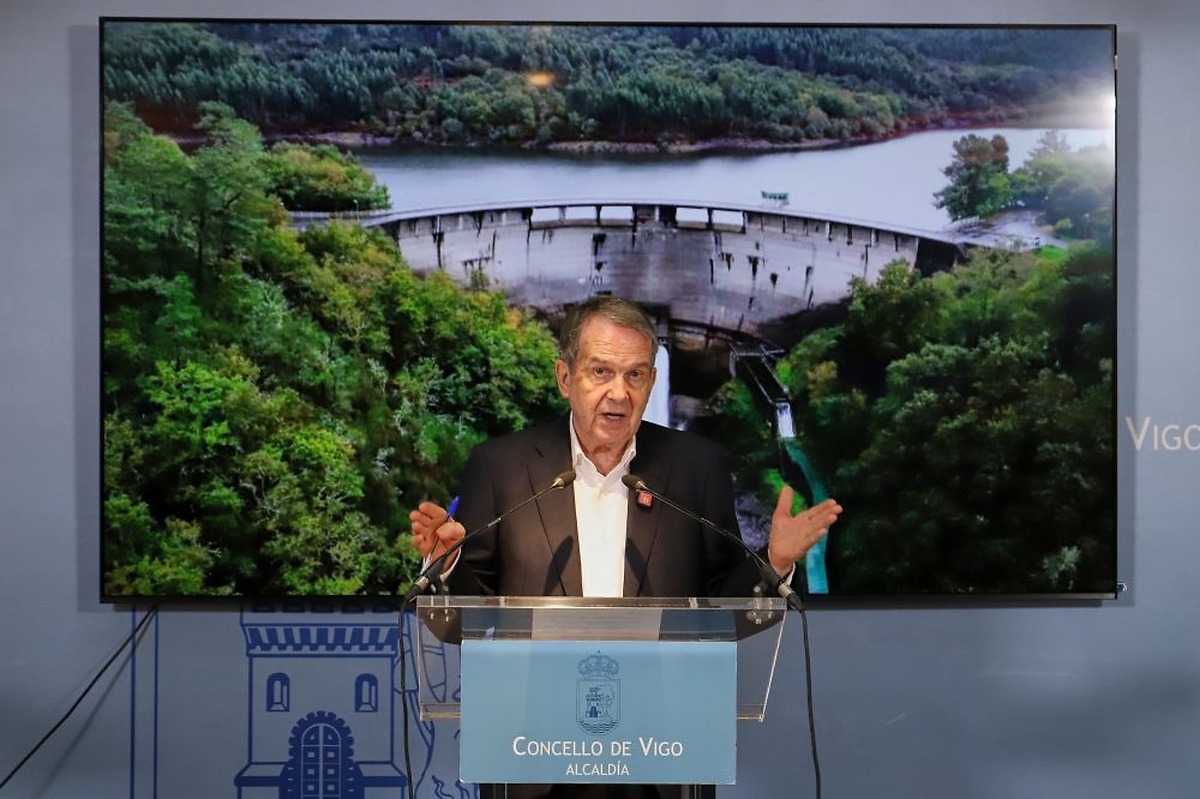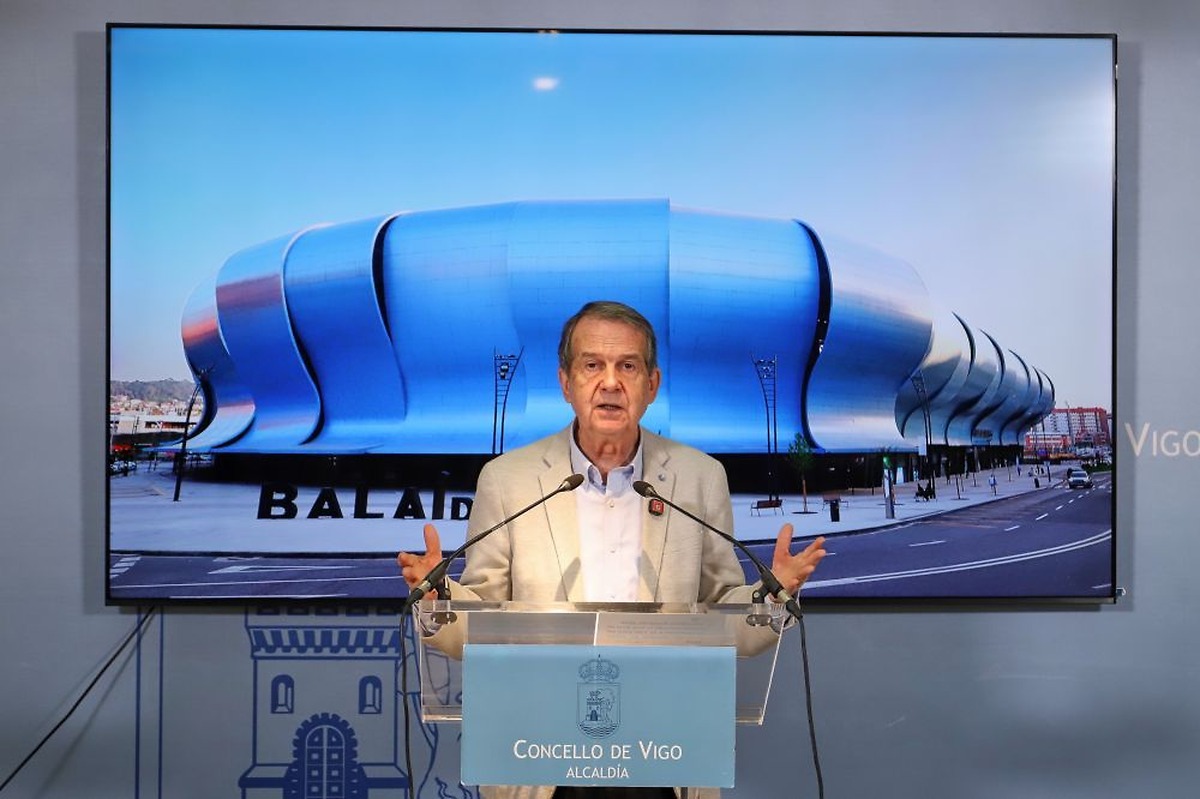
Abel Caballero, the mayor of Vigo, has reached out to the presidents of the Xunta de Galicia and the Diputación de Pontevedra, urging them to convene for an urgent meeting regarding the proposed agreement for the city's candidacy to host matches in the 2030 World Cup. Caballero emphasised that while the technical project and execution timelines are progressing, securing funding remains a critical issue that needs to be addressed to complete the bid's guarantees.
In mid-October, Caballero sent a proposal to the regional leaders outlining the necessary funding for Vigo to host World Cup matches, which included an economic plan and projected timelines. He expressed disappointment that no meeting has yet been scheduled, stating, “neither of them have set dates for the meeting I requested.” He reiterated the importance of directly presenting the technical, economic, and timing details of the project.
The municipal proposal outlines a total investment of €107.5 million, to be shared equally among the Concello (city council), the Xunta, and the Diputación, with each contributing approximately €35.8 million over four years, or around €9 million annually. The main project highlighted in the agreement is the expansion of the Tribuna stand at the Balaídos stadium, along with necessary sports infrastructure and organisational obligations related to hosting the World Cup.
Caballero noted that the Concello has already begun preliminary work for the Tribuna expansion, specifically the relocation of sewage collectors, which is currently being executed and funded by the municipal administration. He assured that the basic project for the new stand is progressing and that the municipal planning is on track to meet the required deadlines. “Everything else is guaranteed. We are advancing the basic project that will be completed on time and in accordance with FIFA's requirements,” he stated.
In his recent letters, the mayor reiterated the need for high-level discussions among the three administrations. “I propose that it be at the highest level. Each can bring whoever they wish, but it must be the president of the Xunta, the president of the Diputación, and the mayor of Vigo,” he said.
In his correspondence with the Xunta president, Caballero addressed questions raised by the regional government regarding technical guarantees, timelines, and financing. The Concello maintains that the Tribuna expansion is sufficiently advanced to ensure its execution within the planned timeframe, with the primary outstanding issue being the financial agreement among the administrations.
In his letter to the Diputación, Caballero reiterated the meeting's purpose to analyse and agree on the collaboration proposal, urging a prompt response given the approaching evaluation phase of the candidacy. He highlighted that “no venue has been designated at this time by FIFA, neither in Portugal, Morocco, nor Spain,” arguing that the final selection process is still open and that it is crucial to advance the bid's guarantees now.
Caballero stressed that FIFA requires information on the project's phases, execution methods, and funding sources. The proposal from the Concello maintains the model of equal funding from the three administrations, requesting that both the Xunta and the Diputación each cover one-third of the necessary investment, just like the Concello. Additionally, should the Spanish government later decide to participate in financing the stadium works, that contribution would proportionally reduce the amounts owed by the three administrations.
The mayor reminded that the Concello is already undertaking the work to relocate the Tribuna collectors, with an investment close to €3 million, which will later be incorporated into the cost distribution outlined in the agreement. Caballero concluded by once again calling for an immediate institutional response: “I urge you to meet, to meet. Things are done and resolved through discussion and dialogue.”