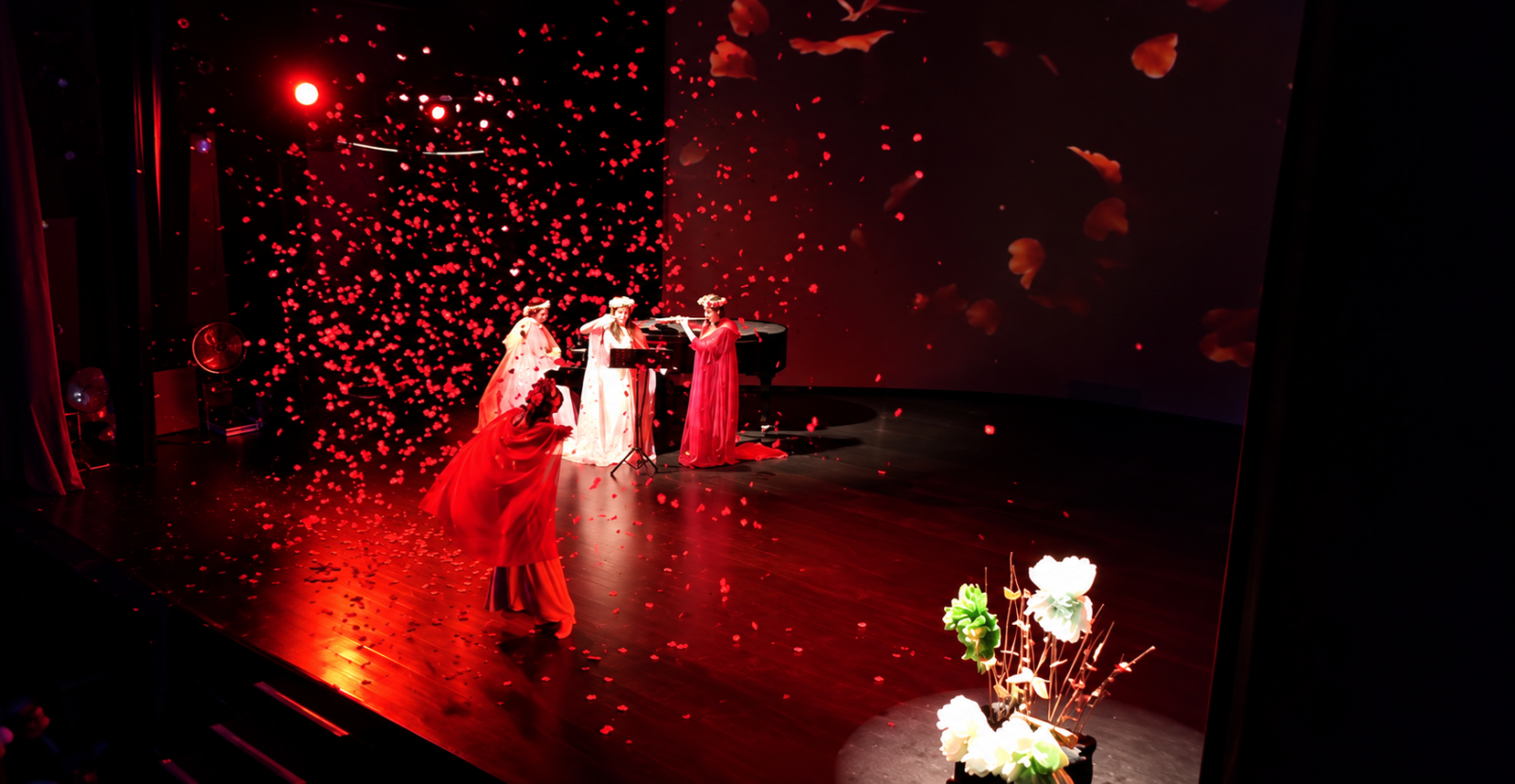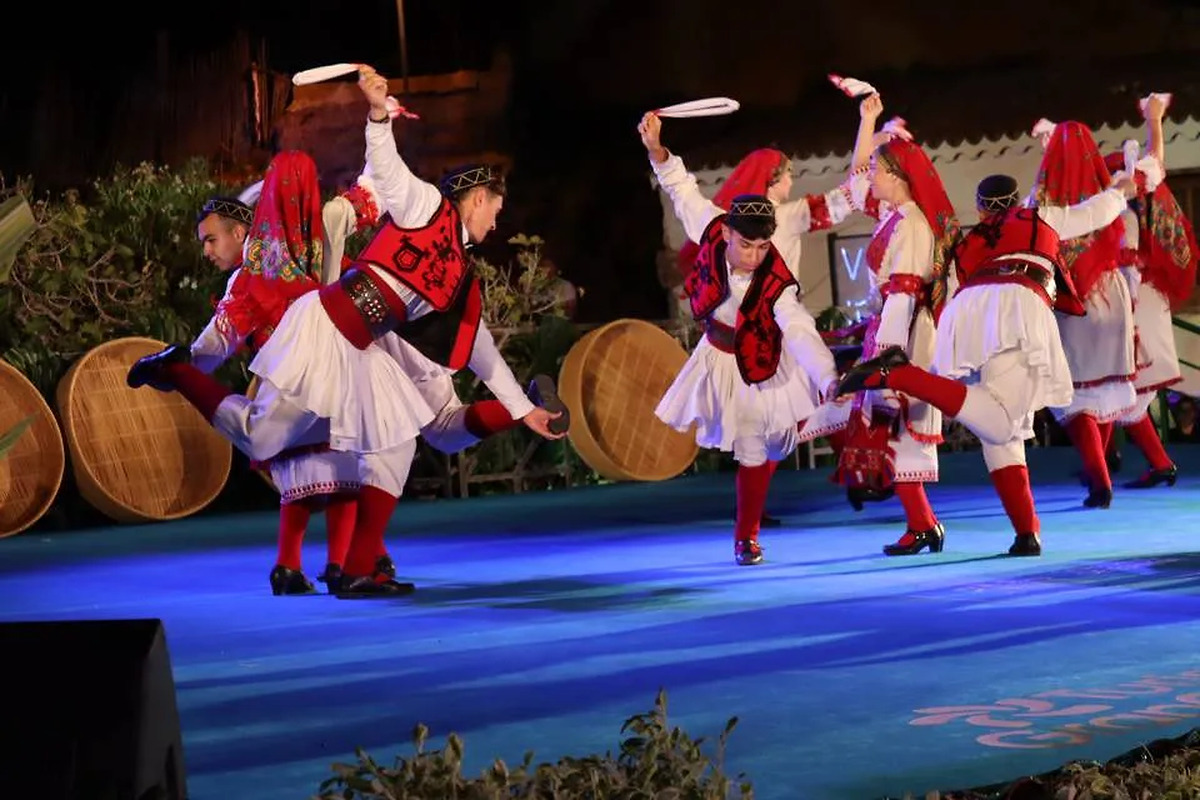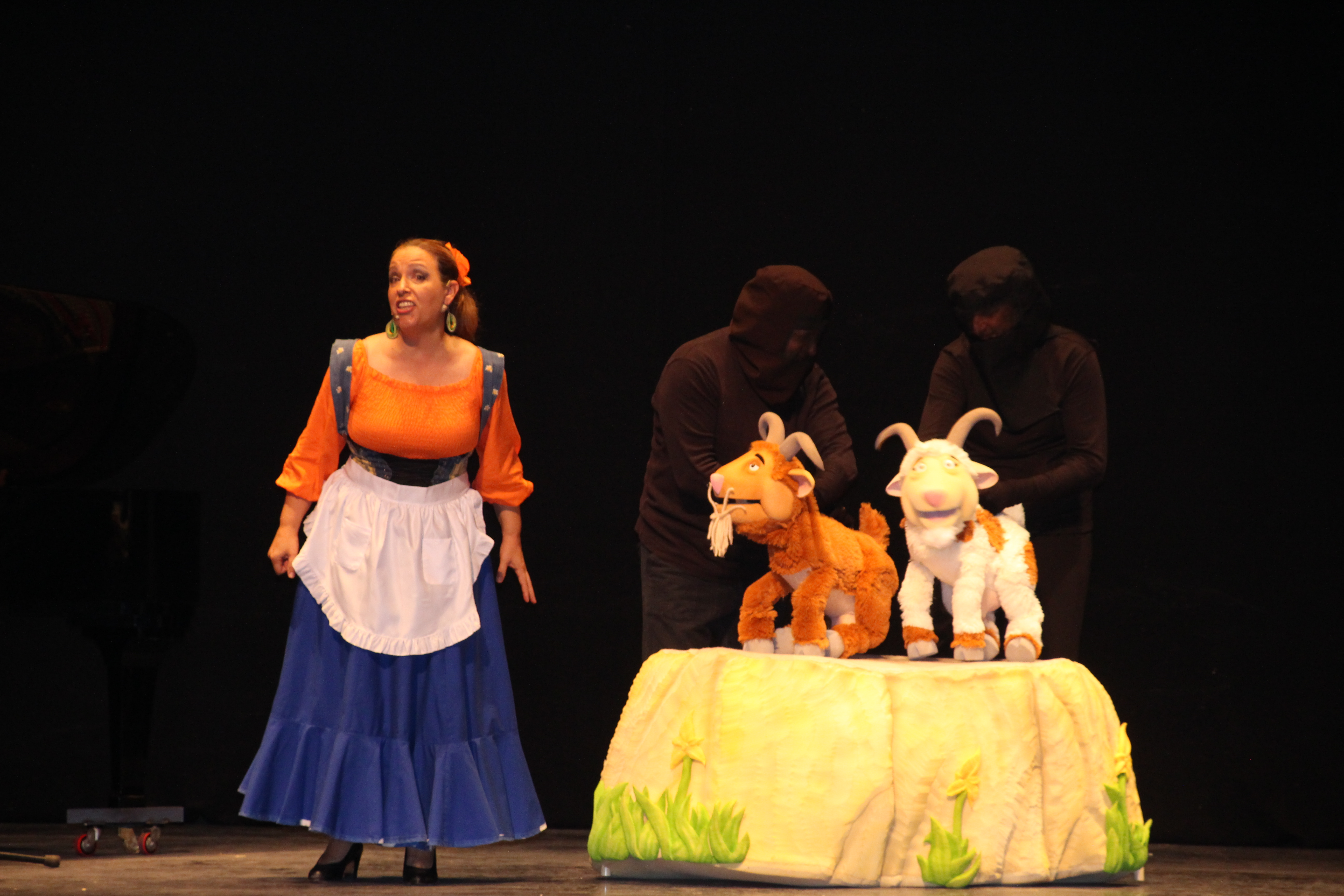
Zarzuguiñol has returned to La Solana with a new initiative aimed at introducing the lyrical genre of zarzuela to younger audiences. Titled Dancing with Zarzuela, the performance featured a blend of puppetry, live singing, and dance, specifically designed for schoolchildren.
This event has maintained its connection with the National Week of Zarzuela since 2008, focusing on igniting interest in the genre among future audiences. This year's performances attracted students from La Solana and nearby municipalities, including Manzanares, Terrinches, Carrizosa, and Ruidera, as well as children from CADIG El Pilar.
The excitement of the children was palpable from the outset, as they eagerly anticipated taking the stage and engaging with the puppets in the story. The students were highly interactive throughout the performance.
The narrative this year unfolds in the academy of Don Feliciano, which faces financial difficulties and is on the verge of losing its premises due to debts. To save the academy, the characters must win a dance competition, all while contending with the quirky puppet Pirueto Taconazo. This storyline immerses the children in an adventure where music and performance intertwine.
A notable addition to this year's show was the participation of dancer Cristina Guadaño, who has dedicated her life to dance and zarzuela. Alongside her, the production showcased various styles and numbers from the repertoire, including segments of fandangos, escuela bolera, and the jota from Gigantes y Cabezudos, among others.
Soprano Melisa de las Heras highlighted the positive reception the performance typically receives from schoolchildren, particularly in La Solana, where children are already familiar with zarzuela. “Children are greatly moved by music, especially in La Solana, where they are experts in zarzuela,” she explained.
The production also benefited from the expertise of Carlos Crooke, who is responsible for the scripts and has three decades of experience in creating educational proposals related to opera and zarzuela. His background allows for the adaptation of content for young audiences without compromising artistic quality.
De las Heras also emphasised the collaboration between the La Solana Town Hall and the ACAZ (Cultural Association of Zarzuela) in keeping this cultural tradition alive. “What we do is transmit and plant the seed of zarzuela in the new generations,” she concluded.