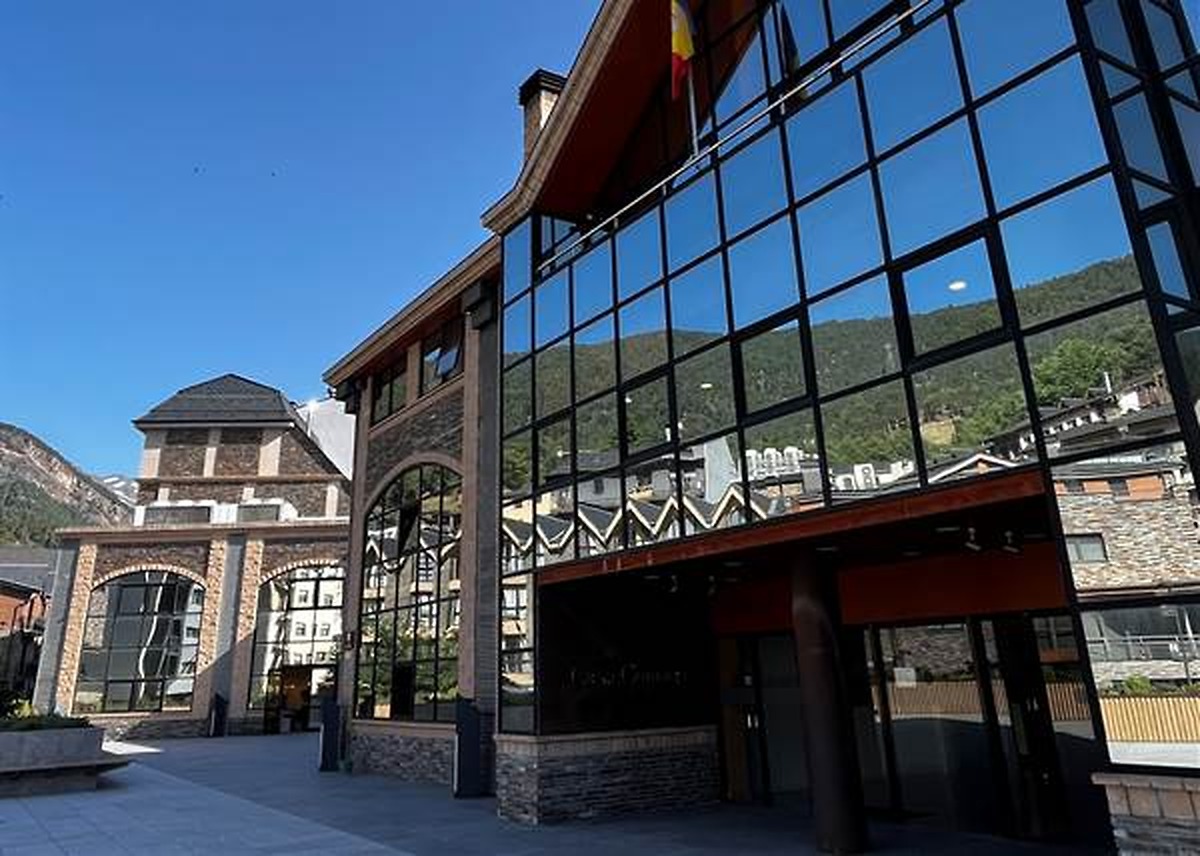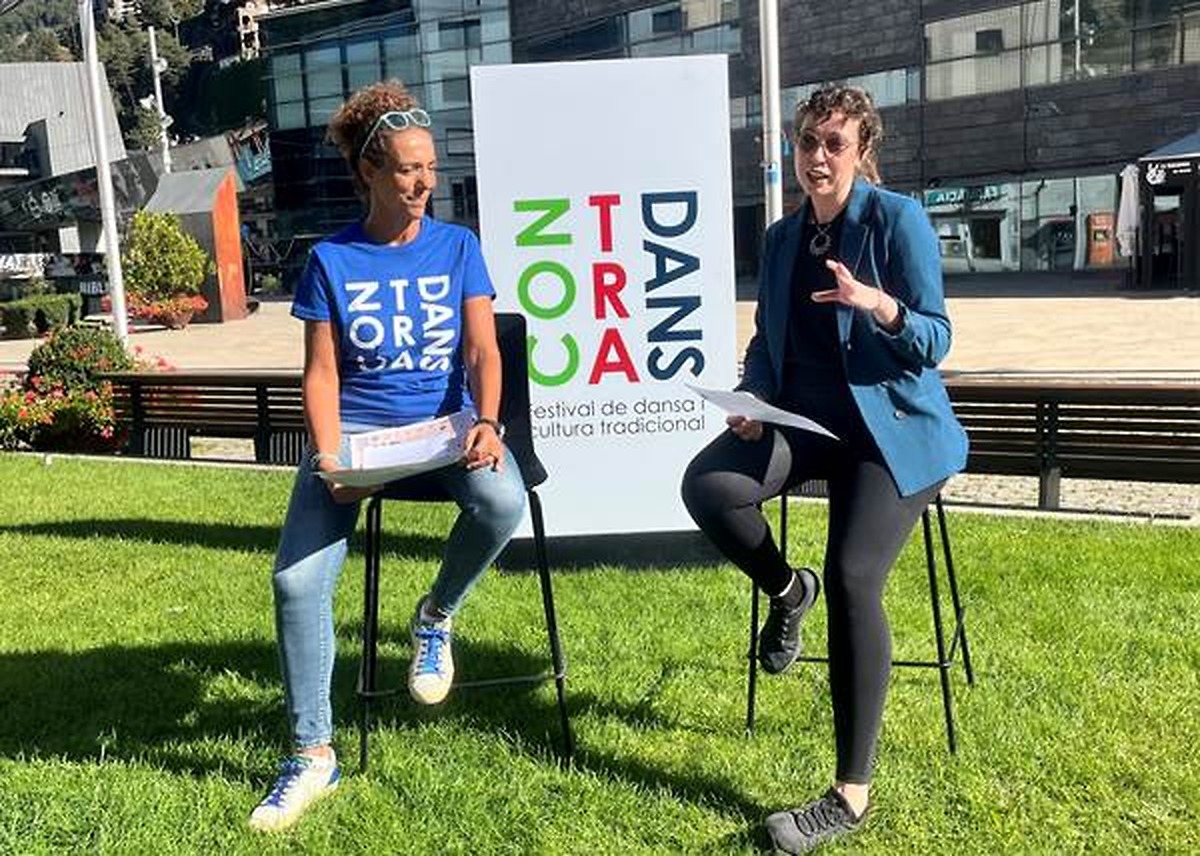
The sixth edition of the Contradans festival is set to take place from 9 to 11 October in La Massana, Andorra. This annual event celebrates traditional dance and culture, alternating its location between La Massana and Ordino. Over three days, the plaza de las Fontetes will transform into a vibrant space that merges tradition with contemporary expressions through a rich programme of dance, music, craftsmanship, and cultural heritage, alongside open workshops for all.
During the festival's presentation, the Minister of Culture, Alexia Verdaguer, emphasised that Contradans represents “a journey that showcases the evolution of popular dance through the centuries.” She highlighted that traditions are “not a museum piece or a memory of the past, but a living legacy that transforms, evolves, and continues to engage with new generations.”
The festival's name encapsulates its essence, combining the concepts of contemporary, tradition, and dance. This philosophy is reflected in a programme that “advocates for root culture with current languages and innovative proposals that connect with the youth,” explained co-director Meri Rebadà. The festival's promotional poster, designed by Marta Closa, features a young dancer adorned with a tattoo symbolising Contradans on her shoulder.
The opening performance will be presented by Esbart Sant Romà, showcasing “Com pesa la Terra,” a scenic reflection on the connection to the land, collective memory, and the sense of belonging. A standout feature of this year's festival is “Freqüència d’Arrel,” an exclusive creation by Andorran DJ John Holt, which fuses traditional music with house beats for an engaging and contemporary experience.
Innovative contributions include Andorran dancer and creator Emma Riba Santuré, who will present “Foc i lloc,” a piece inspired by the dry stone technique, one of the most representative cultural elements of the Pyrenees. This work explores the dialogue between the body, territory, and the transformation of traditions.
A significant new addition to this edition will be the re-enactment of “Meritxell, la Patrona,” which will be performed on Sunday following its successful debut at the Sanctuary of Meritxell. Rabadà explained, “In Contradans, there has always been a taste of esbarts on Sunday morning, and seeing the positive reception of ‘Meritxell la Patrona’—a homegrown production involving all five local dance groups and musicians from various disciplines—we decided to adapt to the new space in plaza de las Fontetes so that everyone can see the performance.” Admission will be free, with no reservations required.
The festival will also feature renowned companies from various regions. The Marc Fernández Company from Catalonia will present “Aleta,” inspired by the casteller universe; Cie. La Zampa from Ariège will offer “Ceinture de feu,” connecting dance, geology, and cultural identity with support from the French Embassy in Andorra; Marea Danza from Valencia will perform “¿Dónde está Alicia?” at the National Auditorium; and Aukeran Dantza Konpaina from the Basque Country will close the festival with “ADK3.7 – Dualtasuna,” a fusion of traditional and contemporary dance with live music.
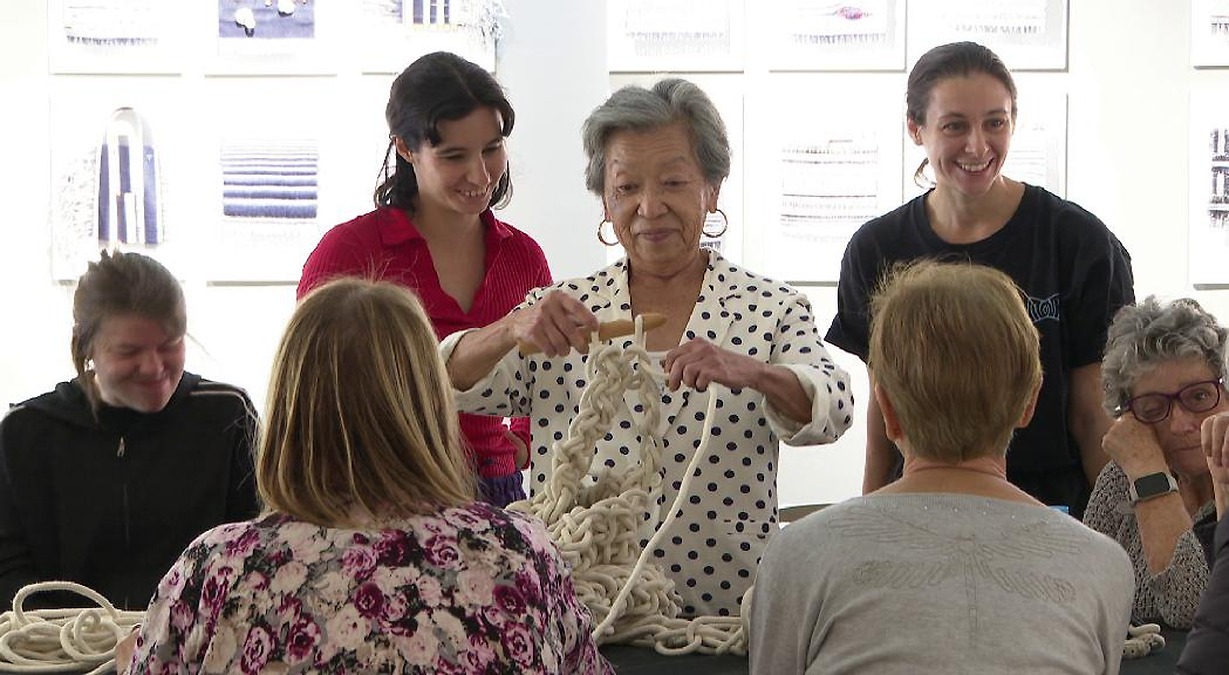
Beyond performances, Contradans is committed to promoting traditional crafts, a focus that the Comú de La Massana supports across its cultural events. Throughout the weekend, there will be a dedicated space for craftsmanship featuring sales, exhibitions, demonstrations, and participatory workshops. This year, there will be a record seventeen stands showcasing various traditional crafts, including dry stone, basket weaving, handcrafted espadrilles, stained glass, traditional blacksmithing, musical instrument construction, wooden toy creation, botanical printing, stone sculpture, and artisanal ski making, among others. Workshops for each craft will require prior registration.
The market hours will be Friday from 17:00 to 22:00, Saturday from 10:00 to 20:30, and Sunday from 10:00 to 15:00. With this sixth edition, Contradans continues to establish itself as a meeting point between tradition and contemporary creation, offering the public new ways to reinterpret root culture.