The Museu del Cinema and the University of Girona are set to host the 50th edition of a seminar focusing on the role of electricity in shaping modern visual and auditory culture. Scheduled for 5 and 6 November at the Faculty of Arts of the University of Girona, the seminar will delve into how this technology transformed perception and contributed to the development of cinema from the mid-19th century to 1920.
Titled "Electricity and its impact on visual and auditory culture of modernity," the event will take place in the Sala de Grados and will also be available for online viewing via YouTube. This unique seminar, co-organised by the Museu del Cinema and the Department of History and Art History at the University of Girona, features participation from the Research Group on the Origins of Cinema (GROC).
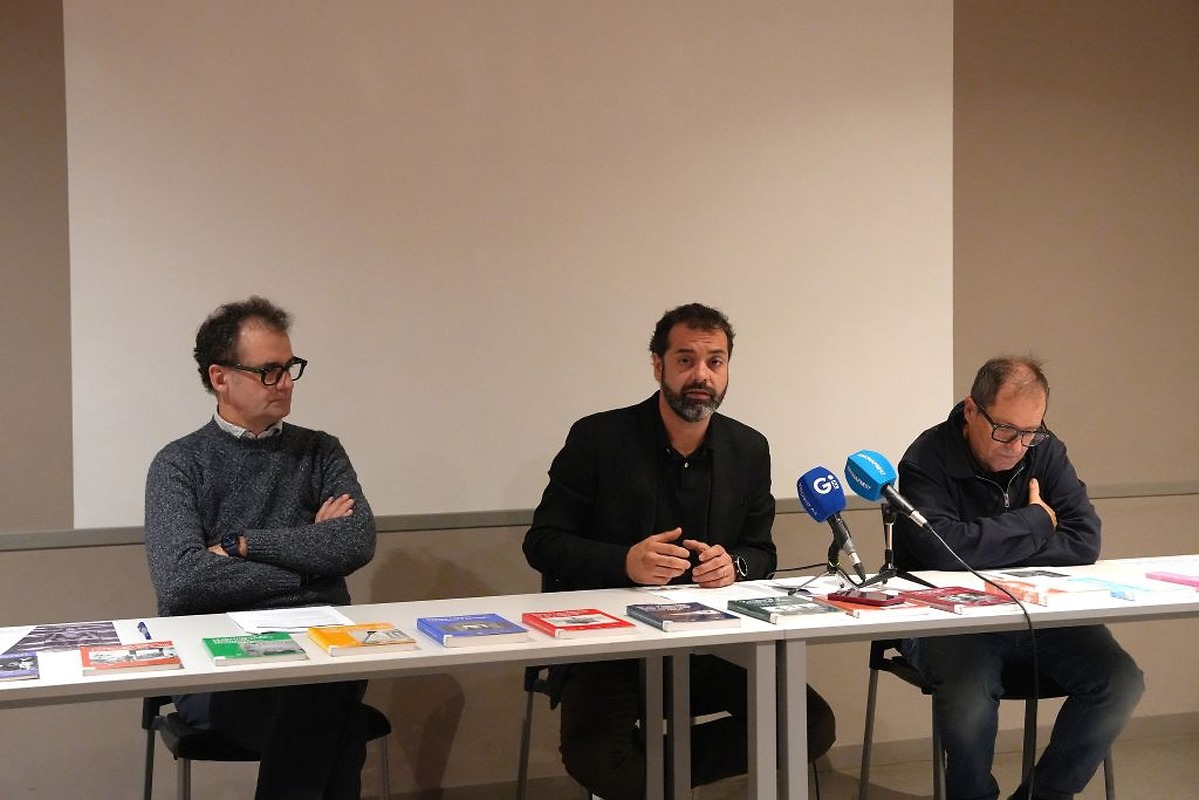
The seminar aims to promote and disseminate research in the field of precinema and the origins of film, while serving as an international forum for discussion among researchers worldwide. During a presentation this morning, Quim Ayats i Bartrina, the Deputy Mayor and Councillor for Culture of Girona; Jordi Pons, the director of the Museu del Cinema and co-director of the seminar; and Àngel Quintana, a professor of Film History and Theory at the University of Girona and co-director of the seminar, highlighted the significance of the event.
"Girona is a city that invests in culture, research, and collaboration between institutions, with the capacity to project itself internationally. We advocate for a culture that generates knowledge, fosters growth as a city, and reaches the entire community," stated Quim Ayats i Bartrina.
Àngel Quintana explained that this edition is part of a research cycle that has been ongoing since 1999, with seven previous editions linked to projects funded by the Ministry of Science. He noted, "This edition focuses on electricity and the transformations it brought to society and culture in the late 19th and early 20th centuries."
The seminar will address various topics, including the impact of electricity on daily life, visual culture, early attempts at image transmission, and the possibilities of sound amplification and recording. It will also explore the "universe of fantasies and imaginaries generated around electricity." This year's edition particularly emphasises electricity as a transformative element in visual culture during the late 19th and early 20th centuries, especially regarding its influence on the birth and development of cinema.
As electricity emerged alongside the invention of the cinematograph, the expansion of medicine following the discovery of X-rays, and the development of new phenomena linked to mass culture and the Second Industrial Revolution, it became both a symbol of scientific progress and a source of esoteric speculation.
The seminar will analyse how this technology altered perceptions of the world and contributed to the formation of a new cinematic aesthetic. A total of 28 presentations are scheduled, divided into four sessions and five thematic blocks, featuring two keynote speeches and 26 selected communications. Topics will include the representation of electricity in early cinema, the relationship between electricity and esotericism, the electrification of public spaces, and the impact of this technology on women's lives.
Researchers from various universities and institutions, both national and international, will participate. Notable presentations include Doron Galili from Stockholm University, who will open the seminar with a talk on modern vision and the precursors of television in the 19th century, and Teresa Castro from Sorbonne Nouvelle University in Paris, who will discuss the relationship between moving objects and electro-animism. Specialists from France, Scotland, Sweden, the United States, Belgium, and Greece will also contribute, with 12 of the 28 presentations coming from outside Spain.
Additionally, the seminar will feature a public event: a traditional screening of early cinema accompanied by live music on 5 November at 19:30 in the Auditori Josep Viader at the Casa de Cultura. This session, programmed with films from the Filmoteca de Catalunya, will include a presentation by Rosa Cardona from the Filmoteca and piano accompaniment by Francesc Mora. The programme will showcase films related to electricity and modern imaginaries, featuring works by Segundo de Chomón, George Albert Smith, Gaston Velle, and Ricard and Ramón de Baños, among others.
This biennial seminar, held continuously since 1999, is a joint initiative of the Museu del Cinema and the Department of History and Art History at the University of Girona. Each edition revolves around a theme proposed by the organisers, which serves as a common thread for the presentations and communications. Keynote speeches are assigned to prominent researchers, while communications are selected through an international call for papers. Each edition also includes a specific section dedicated to research on precinema, regardless of the central theme. Since its inception, the seminar has contributed to the dissemination of research on the origins of cinema through the publication of proceedings from each event, totalling 58 presentations and 240 communications compiled into 14 volumes and 3,825 pages.
The 50th edition is part of the Ministry of Science, Innovation and Universities' research project "The impact of electricity on cinema and photography at the turn of the century: from transformations of vision to the animism of objects (1885-1919)" (ELECTROCINE), PID2024-161149NB-I00, developed by the Research Group on the Origins of Cinema (GROC) led by Àngel Quintana.