Izquierda Unida (IU) will bring to the next municipal plenary session the case of a local police officer in Santander who is facing trial for allegedly accessing the VioGén system multiple times and intervening to lower the risk level of a woman under protection.
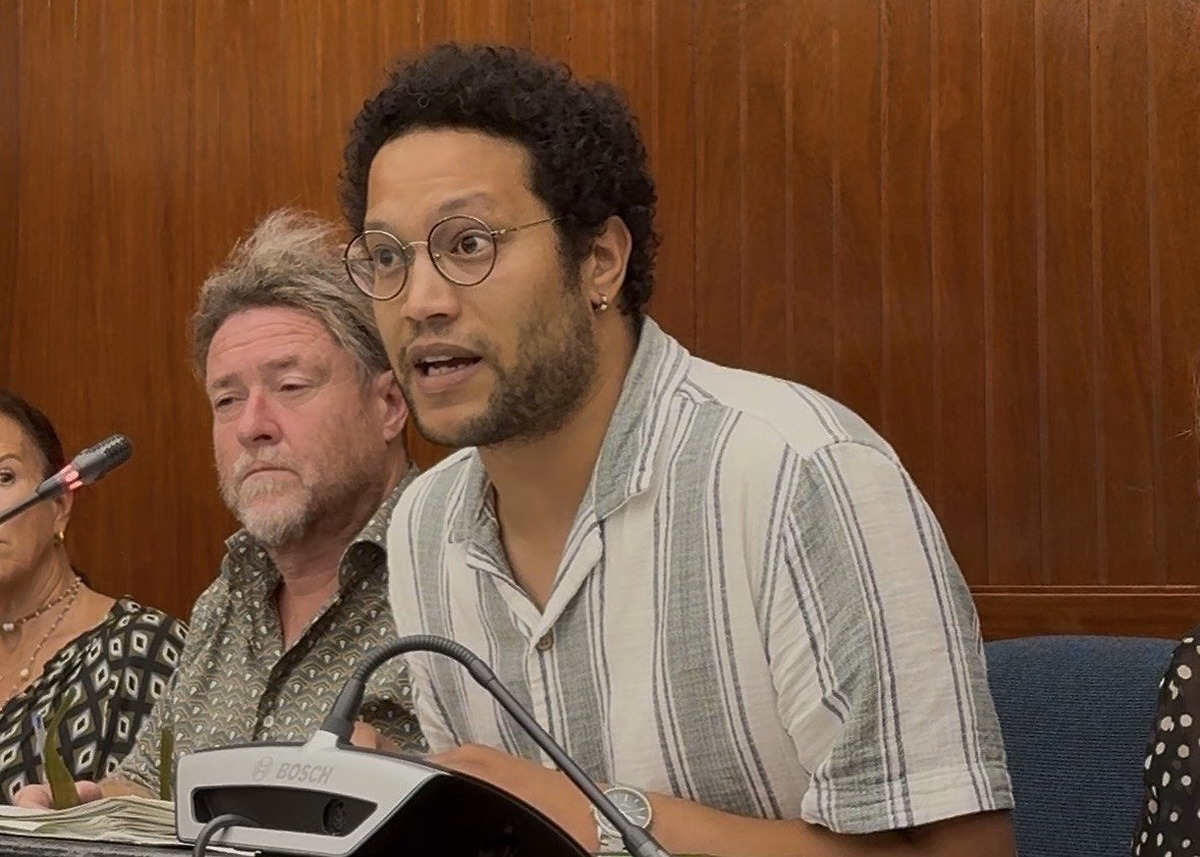
Keruin Martínez, a councillor for the party, has submitted a series of questions aimed at understanding the actions, intentions, and updates from the local government regarding this case. He has also called on the council to open an investigation to clarify the facts and ensure necessary safeguards while the judicial process is underway.
According to the judicial order, the officer reportedly accessed the risk level of a woman, classified as medium risk, whose protection was not assigned to him. He allegedly contacted the national police officer responsible for her protection to request a reevaluation. In contrast, the officer was assigned to protect the alleged aggressor, who was also his landlord and had become a protected victim after reporting the woman.
Furthermore, reports indicate that in August 2025, this same officer was arrested in another case for allegedly revealing secrets related to a cocaine trafficking ring in Cantabria, involving the same individual who was both his landlord and the alleged aggressor.
“These circumstances necessitate clarification on the criteria used for assigning protection and what controls were in place regarding their relationship,” Martínez emphasised.
To date, IU has found no evidence that the council has opened an investigation into the matter. Consequently, Martínez plans to inquire about the officer's current duties, whether he retains access to VioGén, and why municipal actions have not been initiated to investigate the situation.
“When a woman approaches institutions for help, she needs to know that her data is protected and that her risk will be assessed rigorously. If she believes that her information can be accessed for reasons unrelated to her protection or that her situation can be downgraded due to personal relationships, it is understandable that she would lose trust,” Martínez stated.
He lamented that “this case is not an isolated incident.” In Granada, a judge has prosecuted eight officers for allegedly making unauthorised queries to VioGén on 35 occasions, highlighting the fear and loss of trust expressed by the victim.
For IU, the most critical aspect is the impact these events may have on women who need to trust the system. The party also recalled a 2025 incident involving a municipal advisor, who was also a local police officer, convicted of two gender violence offences. Despite IU's calls for measures and explanations, the local government did not respond appropriately to the severity of that case.
“In this instance, it involved a previously judged and convicted individual, a direct advisor with responsibilities exceeding those of some government councillors,” Martínez explained.
Now, with a different ongoing procedure still pending trial, the absence of an investigation raises further questions about the municipal response and policies regarding the protection of women victims of gender violence.
“Respecting the presumption of innocence is compatible with opening an investigation and adopting proportional preventive measures, as we have seen in other cases. Failing to do so leaves essential questions about the use of VioGén and the protection of women unanswered,” Martínez added.
“The fight against gender violence requires institutional coherence: it is not enough to condemn each murder; we must also maintain women's trust in the services that are meant to assist and protect them,” he concluded.