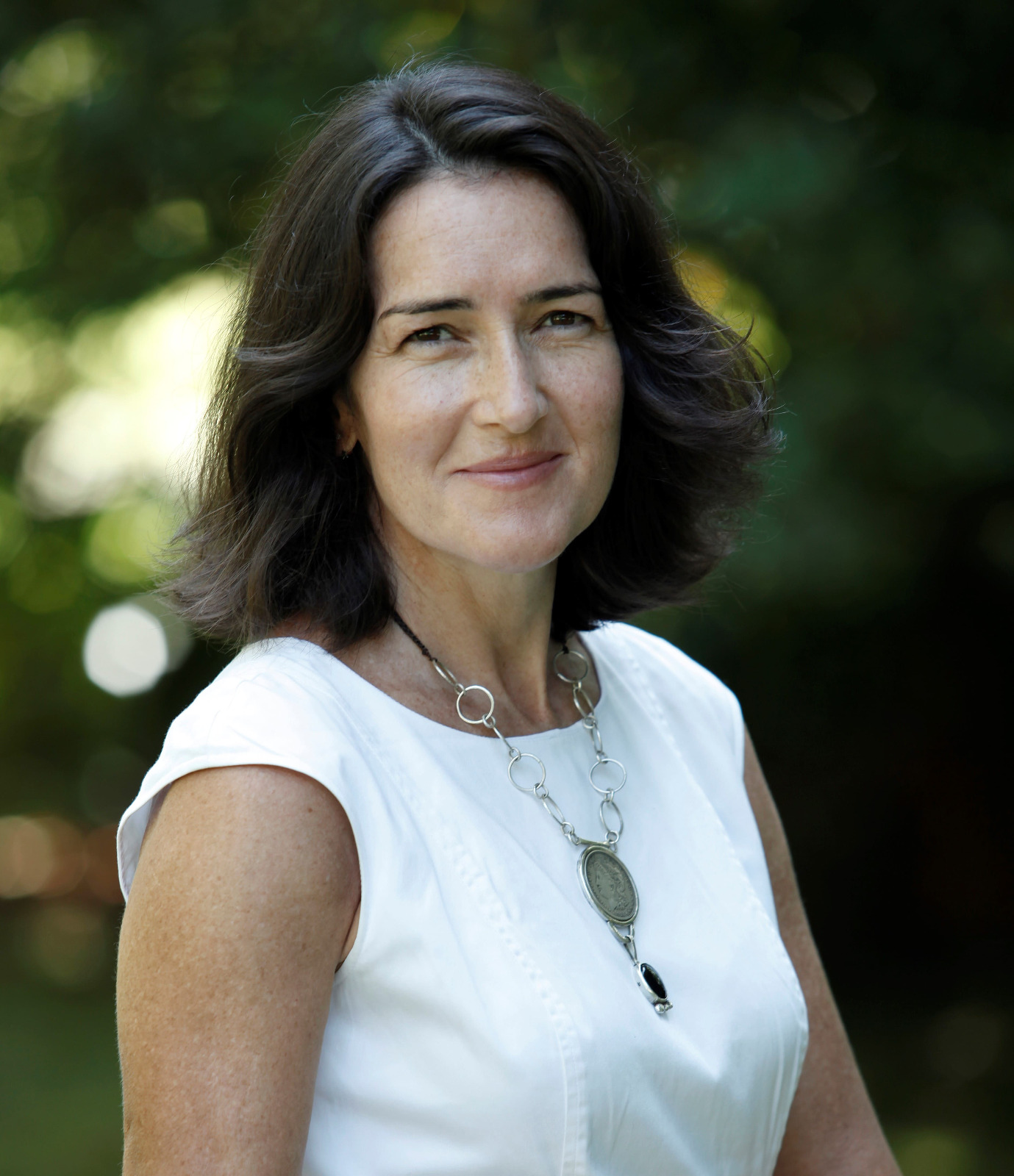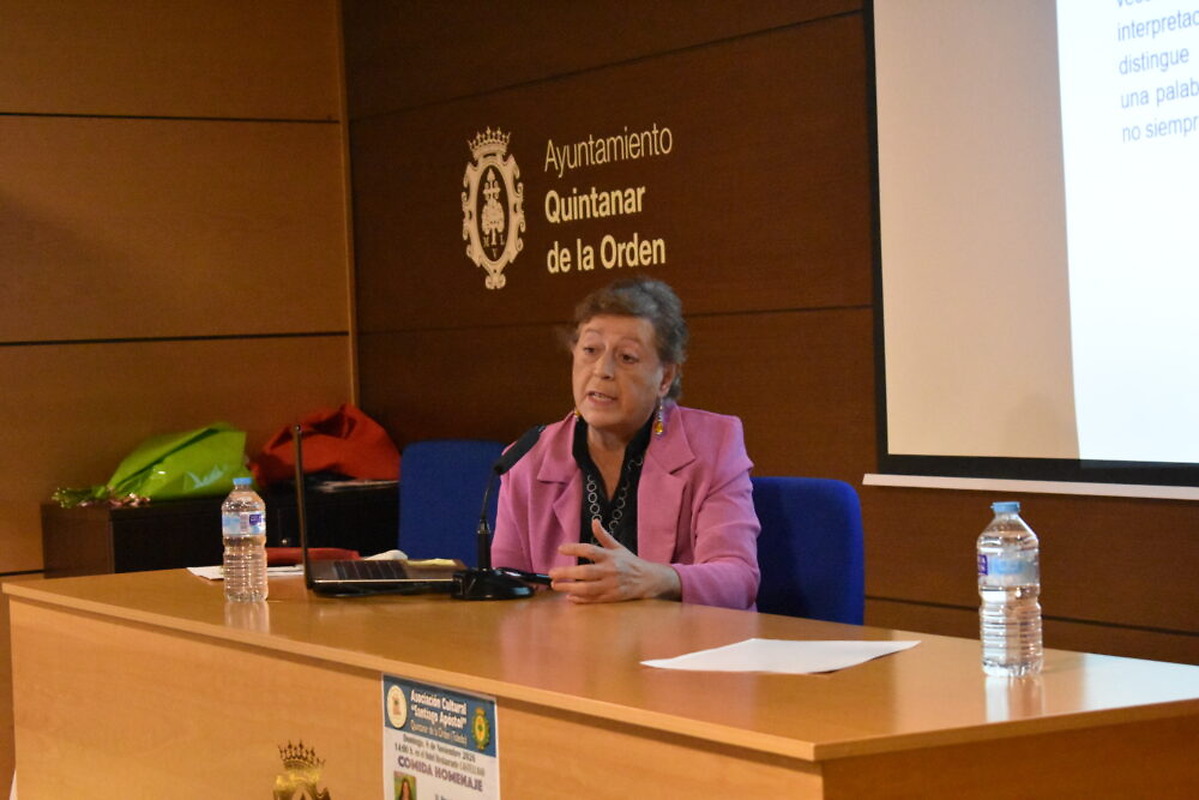
La Encina hall in Quintanar de la Orden recently hosted a conference by María Luisa Barrajón Carrascosa, part of the XXIII Antonio Cano Cultural Week, organised by the Santiago Apóstol Cultural Association. Barrajón's presentation, titled “Women in Don Quixote: the choice of their names,” attracted a positive response from attendees.
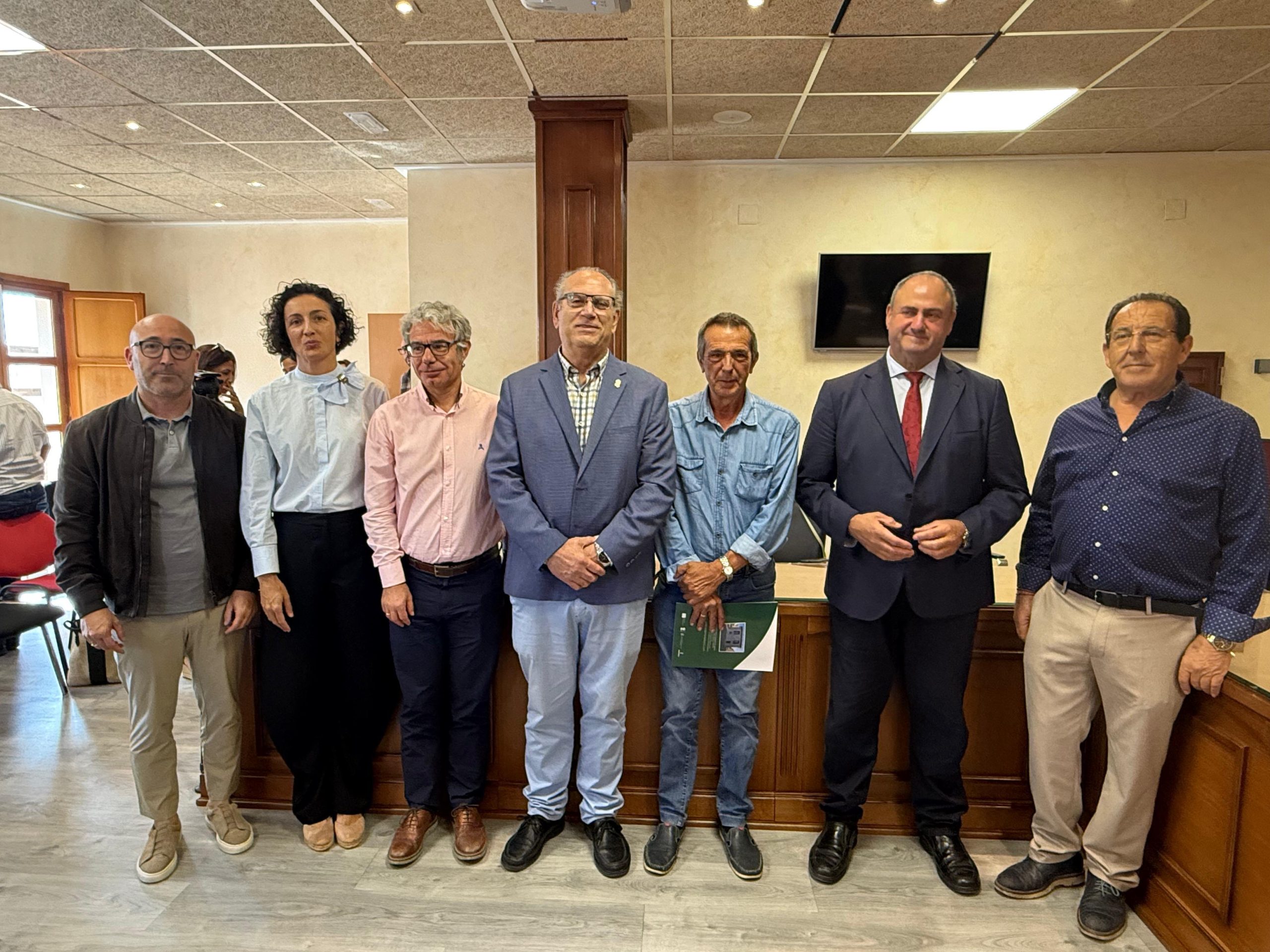
The event was attended by the Mayor of Quintanar de la Orden, Pablo Nieto Toldos, and the Councillor for Culture, M.ª Carmen Vallejo, who supported the cultural initiative. Marciano Ortega, President of the Santiago Apóstol Cultural Association, welcomed guests and introduced Barrajón, highlighting her academic background and active role in the local cultural scene.
Barrajón, who holds a degree in Geography and History from UNED with a focus on Spanish history, also has qualifications in health, social care, occupational training, early childhood education, and social integration. During her talk, she encouraged attendees to delve into the unique aspects of Don Quixote de la Mancha, particularly the significance, origins, and selection of the names of its female characters.
Through figures such as Dulcinea del Toboso, Marcela, Dorotea, Luscinda, Quiteria, and Teresa Panza, Barrajón examined the etymological roots of their names and their connections to the narratives, traits, and roles within the novel. Her presentation illuminated the intricate nuances with which Cervantes crafted his characters, demonstrating how names can provide insights into their experiences, relationships, and positions in the story.
One notable discussion point was Marcela's assertion of her right to choose whom to love, encapsulated in her famous declaration, “I was born free.” This served as a springboard for reflections on personal autonomy and women's rights to make choices independent of societal expectations.
Barrajón also offered personal reflections on names and surnames, exploring the various ways to address an individual and the significance of these identifiers in shaping identity. The conference provided a literary, historical, and human perspective on Cervantes' work, highlighting the complexity of female characters that continues to inspire new interpretations.
This event is part of the ongoing programming of the XXIII Antonio Cano Cultural Week, a well-established fixture in the cultural calendar of Quintanar de la Orden, featuring exhibitions, conferences, and other initiatives aimed at promoting knowledge, reading, and cultural engagement.