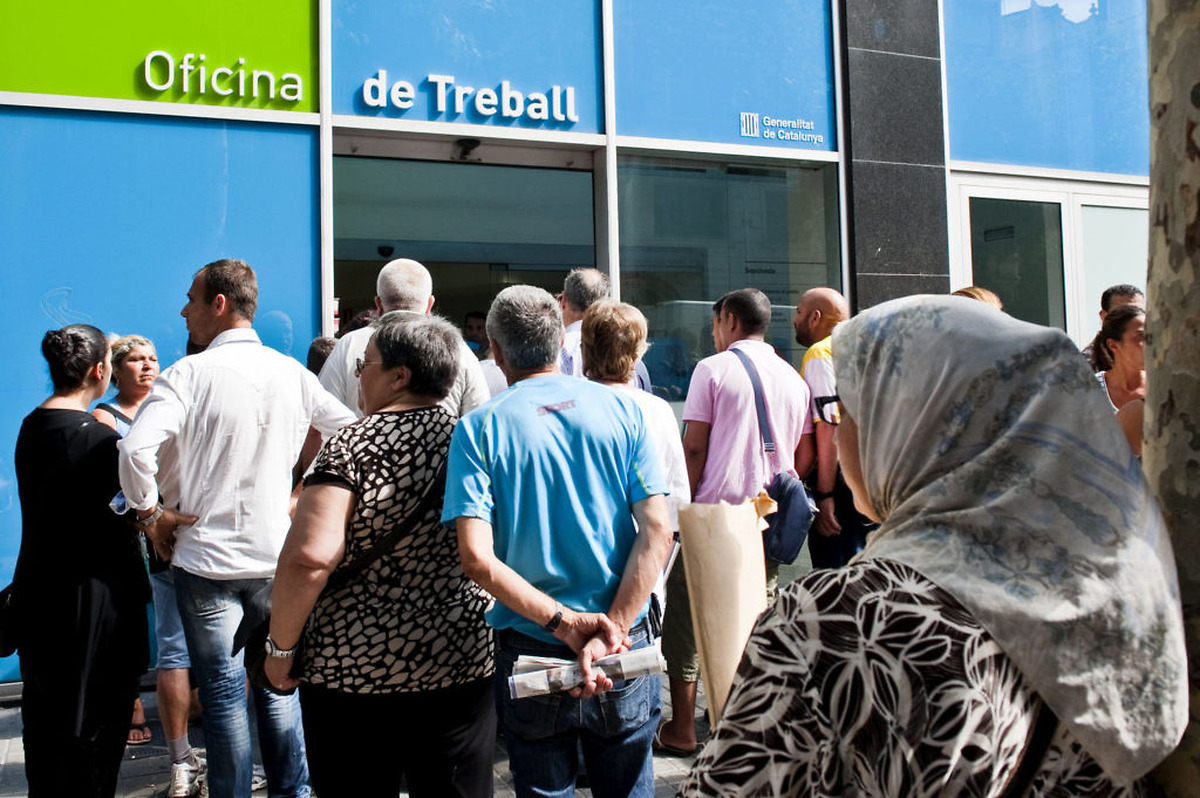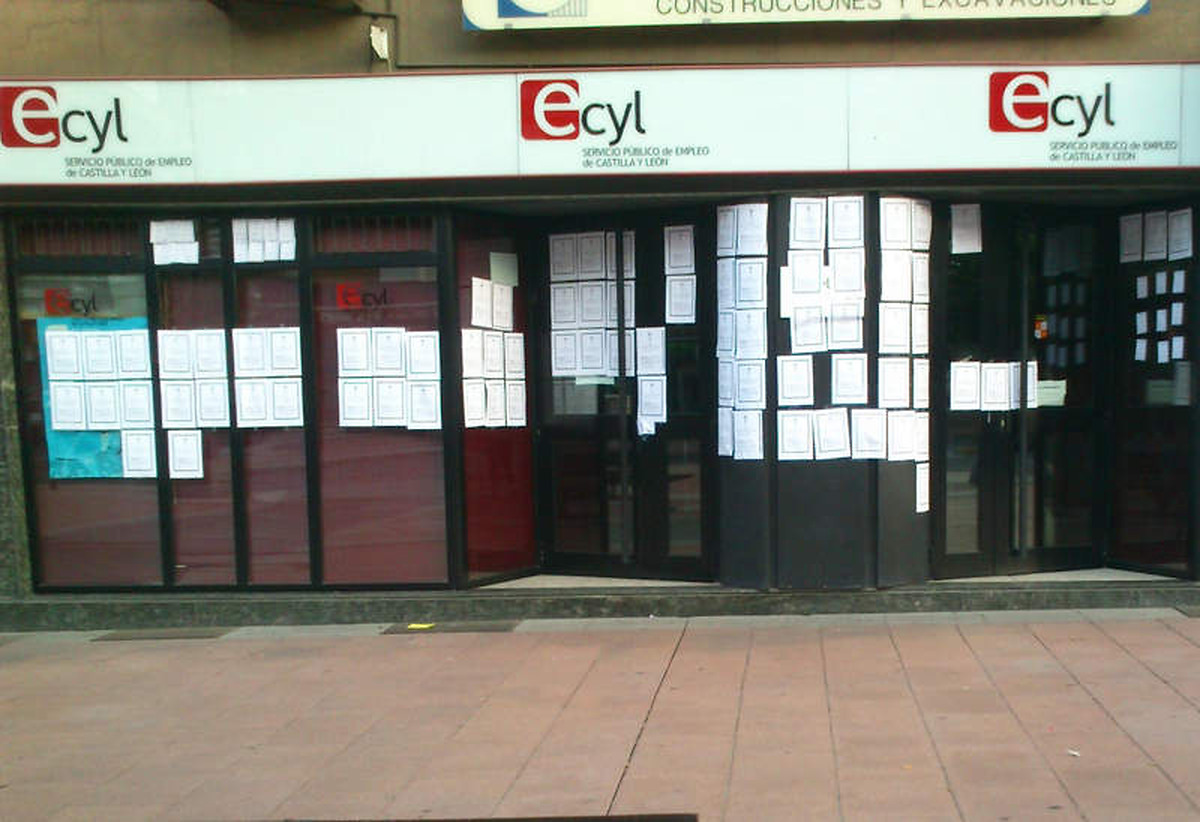
León has experienced a rise in unemployment in October 2026, with 509 additional individuals registering as unemployed, marking a 2.54% increase compared to the previous month. This brings the total number of unemployed in the province to 20,540.
When compared to October of the previous year, León has seen an increase of 448 unemployed individuals, representing a 2.23% rise. The services sector continues to show the most significant fluctuations in employment, having lost 372 jobs in the last month. Other sectors also reported job losses, including those without previous employment (58 jobs), industry (41 jobs), construction (20 jobs), and agriculture (18 jobs).
On a positive note, León gained 452 new affiliates to the Social Security system in the last month, a 0.26% increase, bringing the total to 174,720, which is 2,928 more than the same period last year (+1.70%).
FELE has expressed its concern regarding the rising unemployment figures, highlighting the fragility of León's labour market. The federation points out that an ageing population, lack of generational replacement, and difficulties in filling certain job positions remain significant obstacles to the growth of local businesses. This situation underscores the need for a stronger connection between the educational system and the actual needs of the business community, as well as the promotion of vocational training to facilitate the integration of young people and qualified professionals into the workforce.
Additionally, the economic context is complicated by rising labour and production costs, fiscal and administrative pressures, regulatory uncertainty, and the impact of absenteeism on productivity. These factors particularly affect small and medium-sized enterprises (SMEs), micro-enterprises, and self-employed individuals, who form the backbone of the provincial economy and have less capacity to absorb new burdens.
FELE has also raised concerns about the upcoming general strike scheduled for 11 November, warning of its potential repercussions on economic and business activity. The federation believes that, at a time when companies require stability, certainty, and conditions conducive to job creation, it is crucial to avoid scenarios that could introduce further difficulties into productive activity.
FELE insists on placing business competitiveness at the heart of economic and labour policies. In light of the current electoral climate, it calls for a move away from confrontation and electoral promises, demanding the safeguarding of the right to work, private property, and business freedom. The creation of stable and quality jobs necessitates competitive companies capable of investing, growing, and operating in an environment of trust, legal security, and regulatory stability.
Furthermore, FELE advocates for the role of Social Dialogue and collective bargaining as essential tools to address the challenges of the labour market, while avoiding unilateral measures that could increase business costs or hinder hiring.