This Sunday, Madrid hosted the 33rd Transhumance Festival, a vibrant celebration that filled the city centre with pastoral traditions as 1,250 sheep and 160 goats paraded through the streets. The event, held annually since 1994, brought together shepherds, farmers, and citizens to honour an ancient practice that plays a crucial role in conserving Spain's natural and cultural heritage.
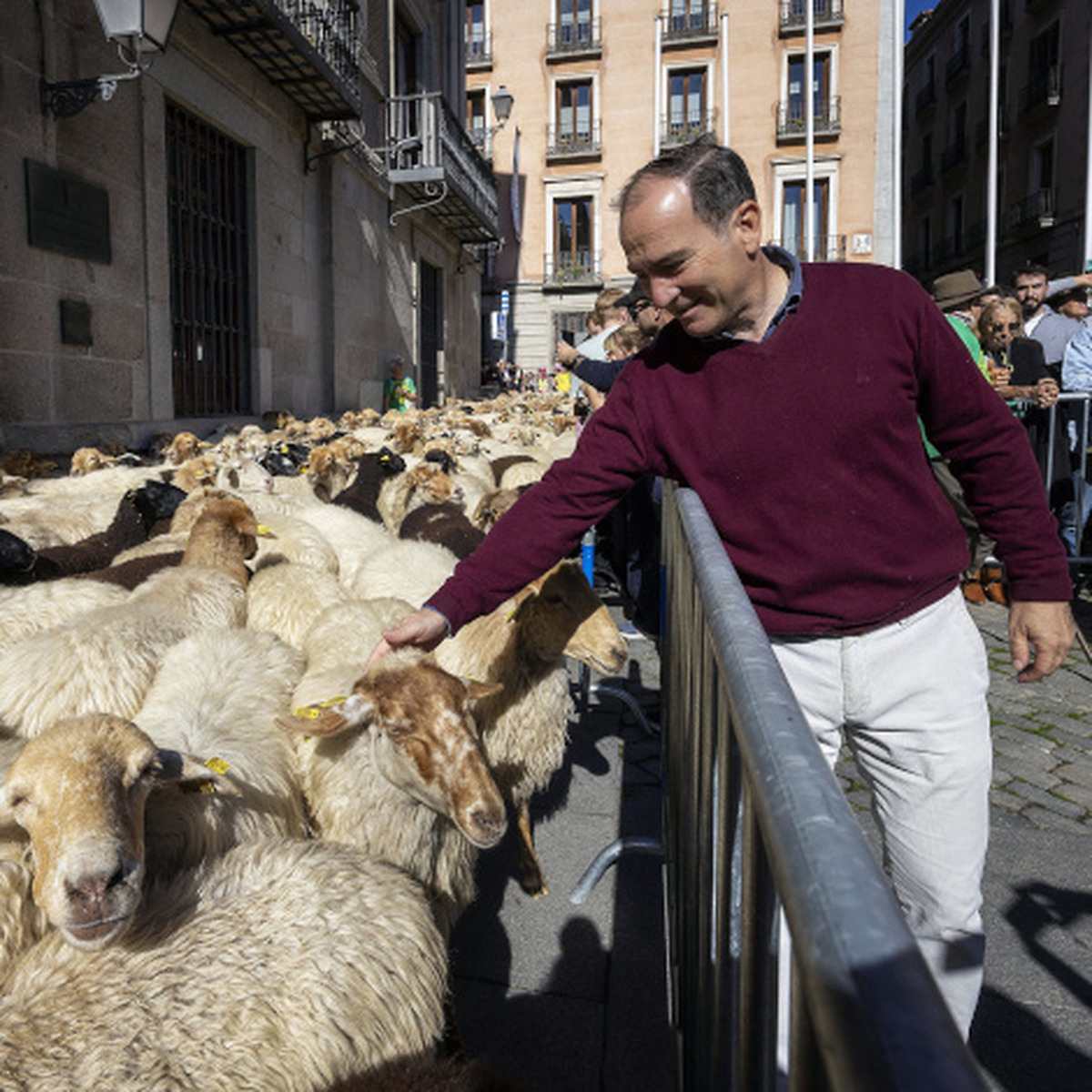
A highlight of the day occurred in Plaza de la Villa, where Borja Carabante, the city’s delegate for Urban Planning, Environment, and Mobility, welcomed the shepherds and their flock. During the ceremony, he received 50 maravedís for every thousand sheep and goats from the Hombres Buenos de la Mesta, a symbolic payment that recalls the historical contributions made by shepherds to the municipal authorities of Madrid, as outlined in the Concordia of 1418.
Tradition and history in the heart of Madrid
This year's flock included 1,250 sheep of the Castellana, Rubia de El Molar, and Entrefina breeds, along with 160 Guisanderas and Guadarrama goats. The animals were guided by members of the Foundation for Transhumance and Nature, an organisation dedicated to promoting and preserving this pastoral practice. The sight of the sheep and goats traversing the capital's streets is one of the festival's most iconic images.
The route taken by the flock this year differed from previous editions, as they passed through various historic sites, including Casa de Campo, Plaza Mayor, and Calle Bailén, before arriving at Plaza de la Villa. This temporary presence of livestock in areas typically dominated by vehicles and pedestrians serves to reconnect Madrid with its historical transhumance routes.
The origins of transhumance date back centuries when seasonal livestock movements became economically and socially significant. The organisation of pastoral activities was closely linked to the establishment of regulations and agreements to ensure the safe passage of herds and the use of grazing lands. The Concordia of 1418, referenced during the ceremony, highlights the historical relationship between shepherds and municipal authorities. The symbolic handing over of maravedís keeps this memory alive and is one of the festival's most unique moments.
Since its revival in 1994, the Transhumance Festival has become an essential event in Madrid's traditional calendar, providing an opportunity to advocate for the role of shepherds and farmers and the need to preserve traditional grazing routes and knowledge related to livestock management.
Livestock as a conservation tool
Beyond its cultural and festive aspects, the festival aims to raise awareness of the value of livestock farming and its role in protecting the natural environment. The movement of herds helps maintain grasslands, promotes seed dispersal, and preserves various habitats. Furthermore, grazing assists in controlling vegetation and reducing the accumulation of combustible materials, which can help prevent wildfires and promote more sustainable land management.
Transhumance is also vital for sustaining agricultural activities in rural areas and maintaining the knowledge and customs associated with pastoralism. The seasonal movement of animals, care of the herds, and use of grazing lands are traditional practices passed down through generations, forming an integral part of Spain's cultural and natural heritage.