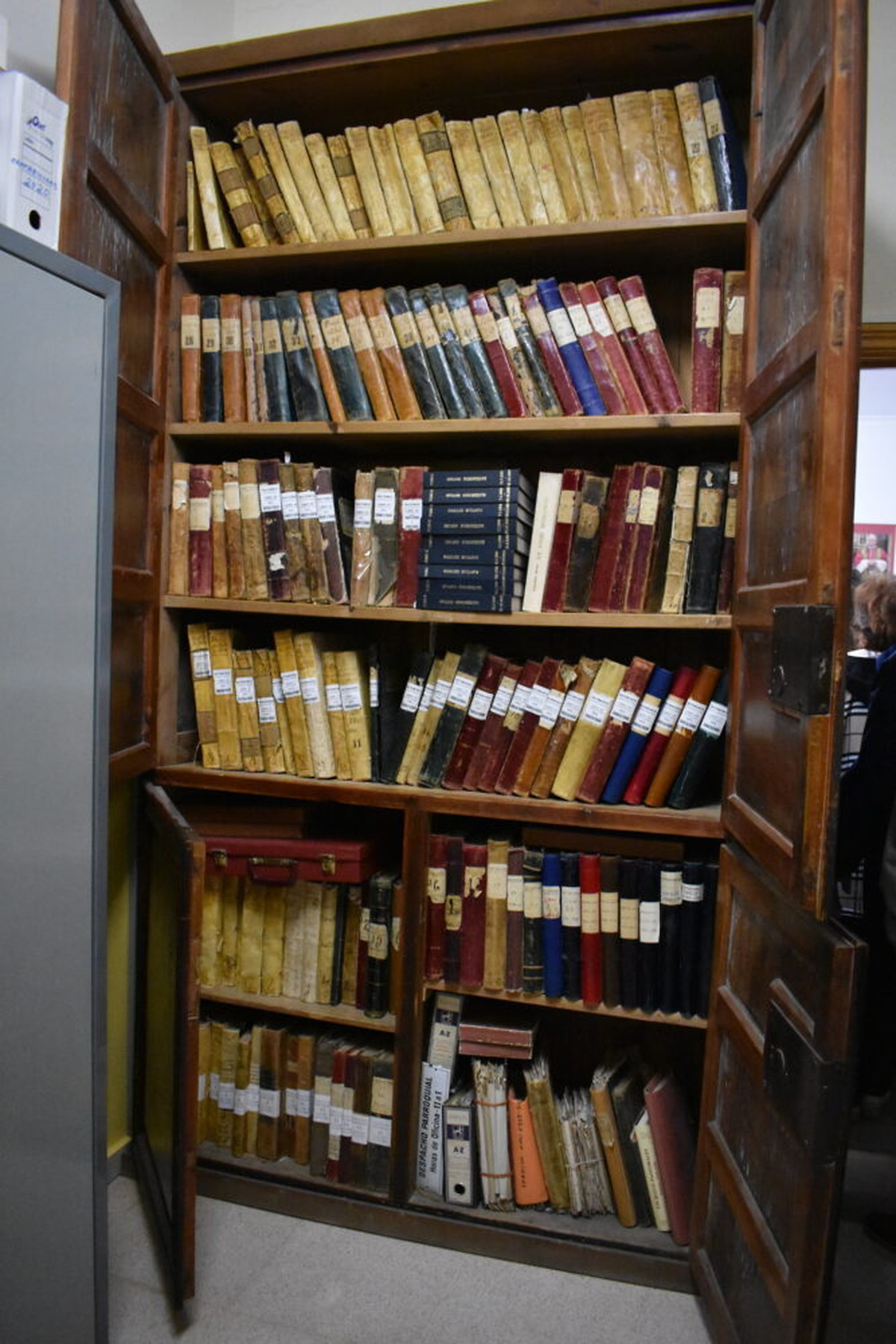
Quintanar de la Orden recently held a session of the first Humanistic and Cervantine Conference titled 'From Alcaná to La Mancha', which took place on 23 October and was organised by the International Brotherhood of Researchers of Toledo 'Santo Cristo de la Oliva'. The initiative aims to explore various locations linked to the world of Miguel de Cervantes, bringing together history, literature, and documentary research to delve into the potential connections between local heritage and Cervantes' works.
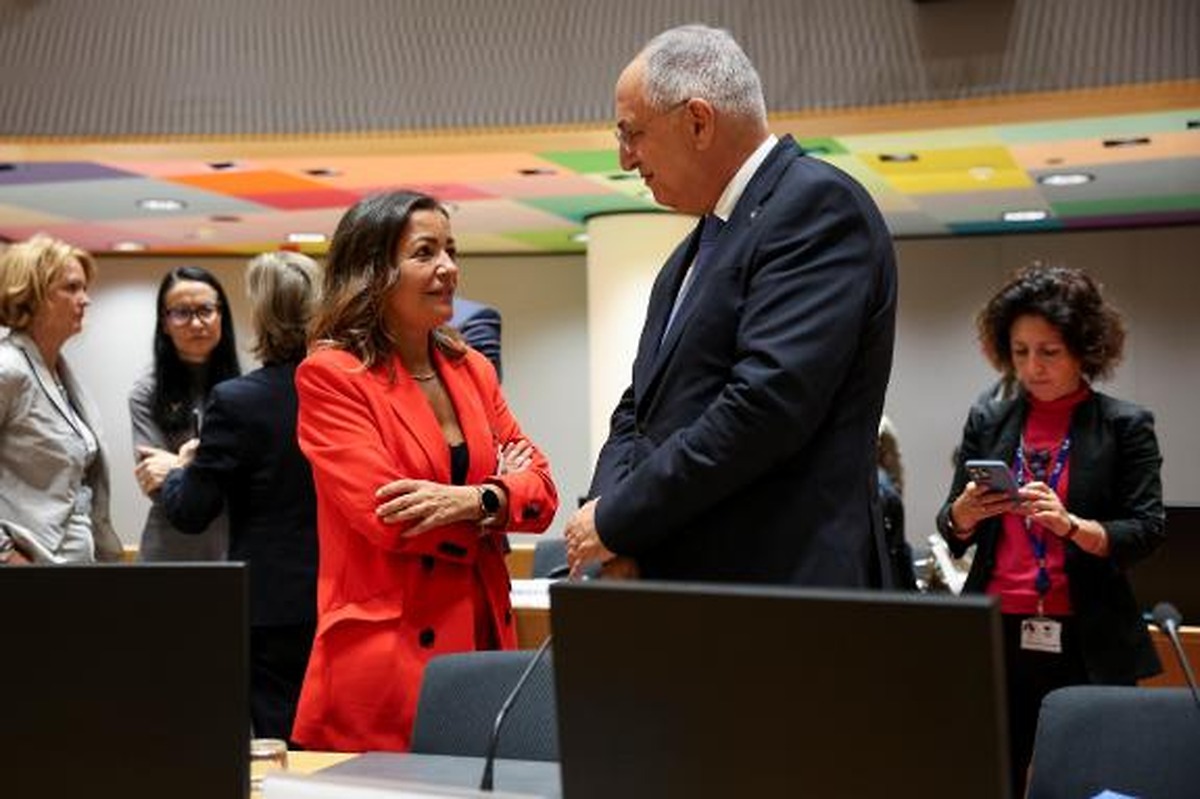
The event was attended by the Mayor, Pablo Nieto Toldos, and the Councillor for Culture, M.ª Carmen Vallejo. The programme commenced with a guided visit to the Parish Archive, led by Zacarías López-Barrajón, where participants learned about the significance of historical records in reconstructing the past. During the tour, marriage records related to the surname Villaseñor were examined, including documents that allow for the study of individuals from that era and the exploration of possible connections to characters in Cervantes' works.
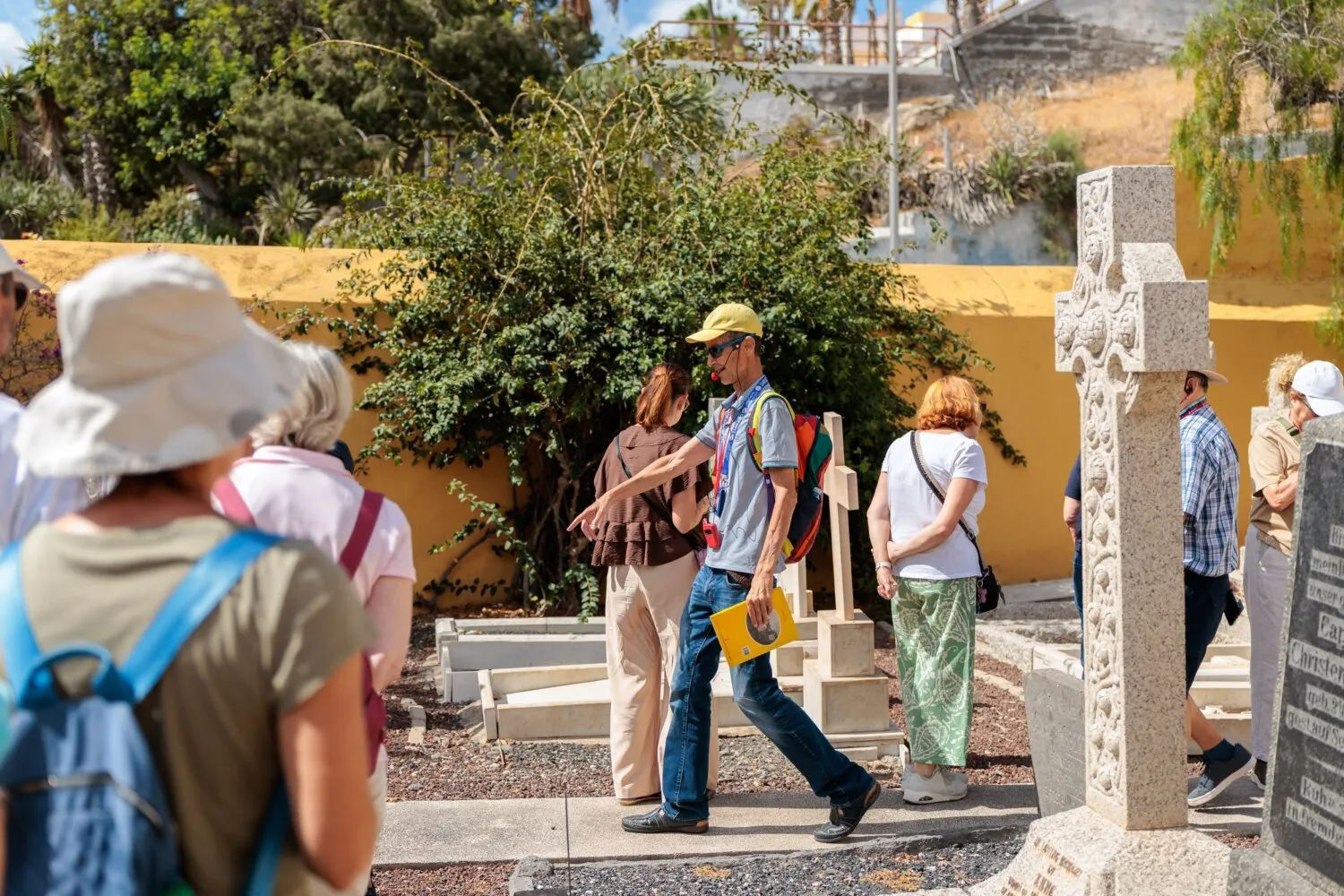
The visit continued at the Parish Temple of Santiago de la Espada, where the history of the Cepeda family and Juan de Cepeda, whose surname also appears in Cervantes' books, was discussed. These references prompted reflections on the relationship between historical and literary figures, always contrasting with documentary evidence. The itinerary concluded at the Hermitage of Intramuros of Our Lady of Piety before moving to the Príncipe de Asturias Civic Centre for the conference sessions.
M.ª Carmen Vallejo welcomed participants and expressed gratitude to the Brotherhood for including Quintanar in this first edition, emphasising the importance of continuing research and highlighting the town's presence in the realms of Don Quixote and Persiles. Francisco de Asís Silla Sanchís, the Second Prioste of the Brotherhood, acknowledged the collaboration of the participating towns.
The academic programme began with a lecture by Ana Suárez Miramón, Emeritus Professor at UNED, who delivered a talk entitled 'Don Quijote, humanist symbol of the 20th century'. This lecture focused on how authors such as Unamuno, Azorín, Rubén Darío, and Antonio Machado interpreted the character as a symbol of freedom, idealism, and ethical struggle. Following this, Santiago López Navia, Professor of Philology at UNIR, discussed the literary recreations of Don Quixote over the centuries, paying particular attention to Sancho Panza and the various interpretations of his character in his presentation 'The prominence of Sancho Panza in the narrative recreations of Quixote in Hispanic literature'.
The day concluded with remarks from Francisco Javier Escudero Buendía regarding the role of Quintanar de la Orden in Persiles and Don Quixote. His research proposes studying possible links between Cervantes' characters and historical figures through the joint analysis of archival documents, literary texts, and traditions. In this way, Quintanar de la Orden has joined a series of conferences that connect various towns in La Mancha through historical and literary research, contributing to a deeper understanding of Cervantes' legacy and the relationship of La Mancha with his works.