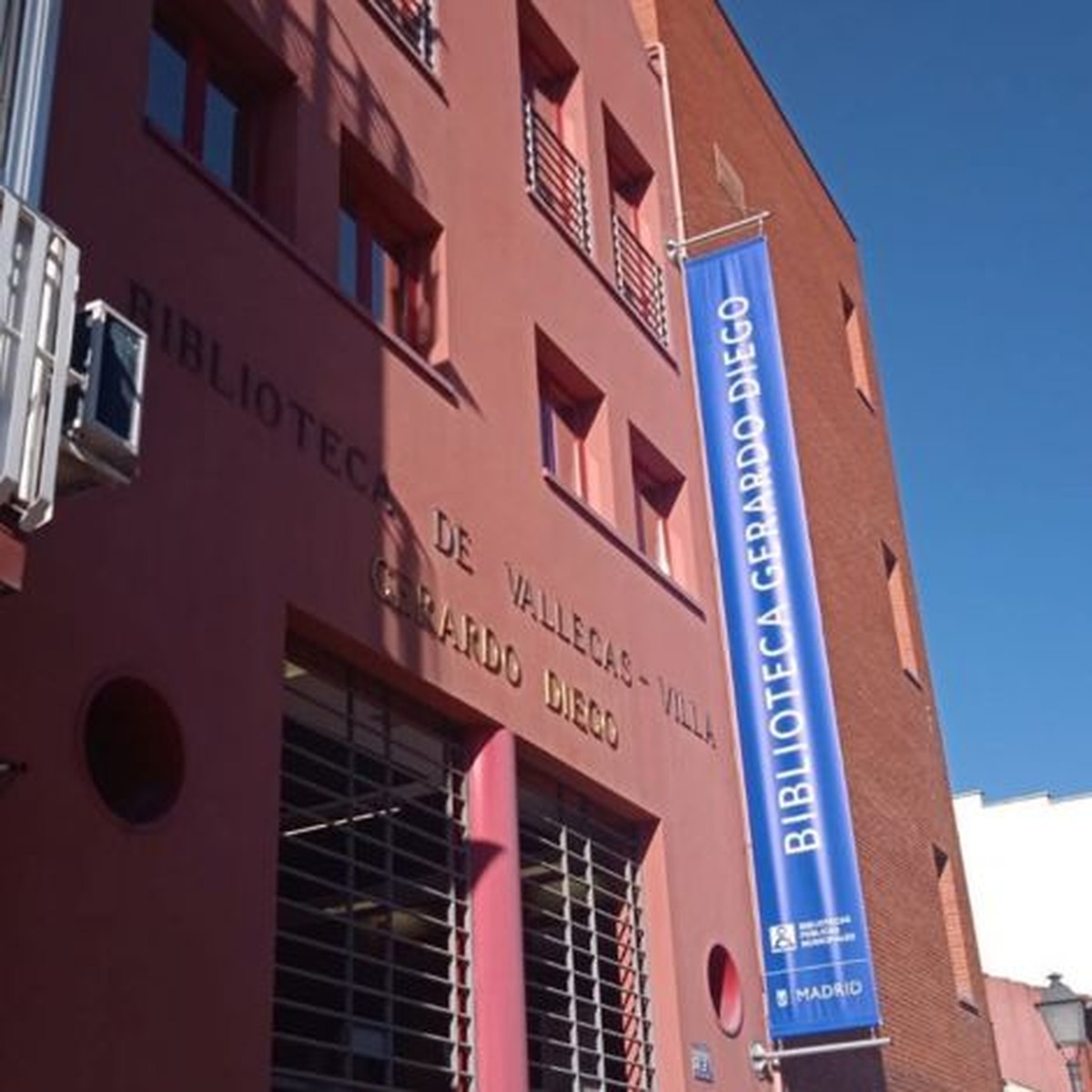
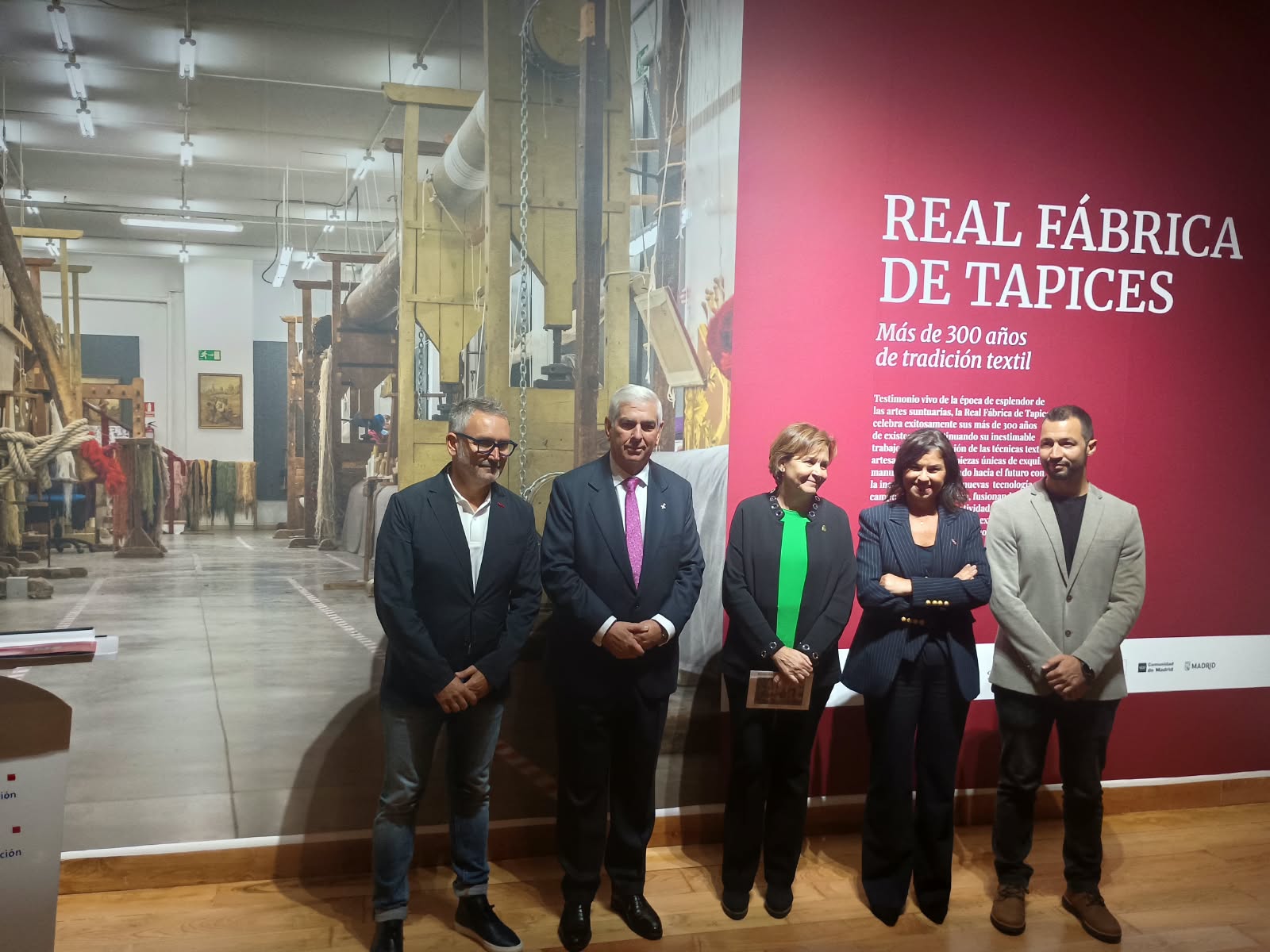
On October 9, 2026, the Municipal Foundation of Culture, Education and Popular University, in collaboration with the Real Fábrica de Tapices, opened the exhibition titled Real Fábrica de Tapices: Over 300 Years of Textile Tradition at the Antiguo Instituto Cultural Center. This exhibition offers visitors a chance to explore the value of textile craftsmanship, its traditional techniques, and its evolution into contemporary creations.
The display features over a hundred pieces, including tapestries, rugs, sketches, and designs based on both classic works preserved in the institution's Historical Archive and contemporary proposals. The exhibition not only showcases the artworks but also the skills and knowledge that have ensured the continuity of this artisanal tradition across generations.
Among the standout pieces is the mantle of the Virgen Dolorosa of Gijón/Xixón, which belongs to the Illustrious Brotherhood of Santa Misericordia and has recently been restored at the Real Fábrica de Tapices. This piece, a royal donation attributed to Infanta Isabel de Borbón, popularly known as 'La Chata', is being exhibited for the first time.
Other first-time displays include the rug No Pisar la raya, winner of the III Centenary Award in the Turkish knot category; two marble sculptures by Colombian artist Ani Mesa, representing the Turkish and Spanish knots; as well as sketches of rugs and unpublished documents related to painters from the Real Fábrica de Tapices, including Francisco Javier Amérigo and José del Castillo.
During the presentation, Montserrat López Moro, the Councilor for Culture, Museums, and Creative Industries, emphasized the importance of this collaboration with a reference institution and its integration into a municipal exhibition program aimed at connecting local heritage with other cultural traditions. The exhibition allows for the recognition of both the artworks and the knowledge and techniques passed down through generations.
Meanwhile, Alejandro Klecker de Elizalde, General Director of the Real Fábrica de Tapices, highlighted the coexistence of historical and contemporary designs, demonstrating that high-quality textile craftsmanship continues to play a significant role in current culture and creation.
Founded in 1721, the Real Fábrica de Tapices is the oldest continuously operating textile manufacturing facility of its kind. Its activities contribute to preserving Spanish textile heritage and maintaining traditional crafts related to tapestries, rugs, and upholstery, while also engaging in significant textile restoration work.