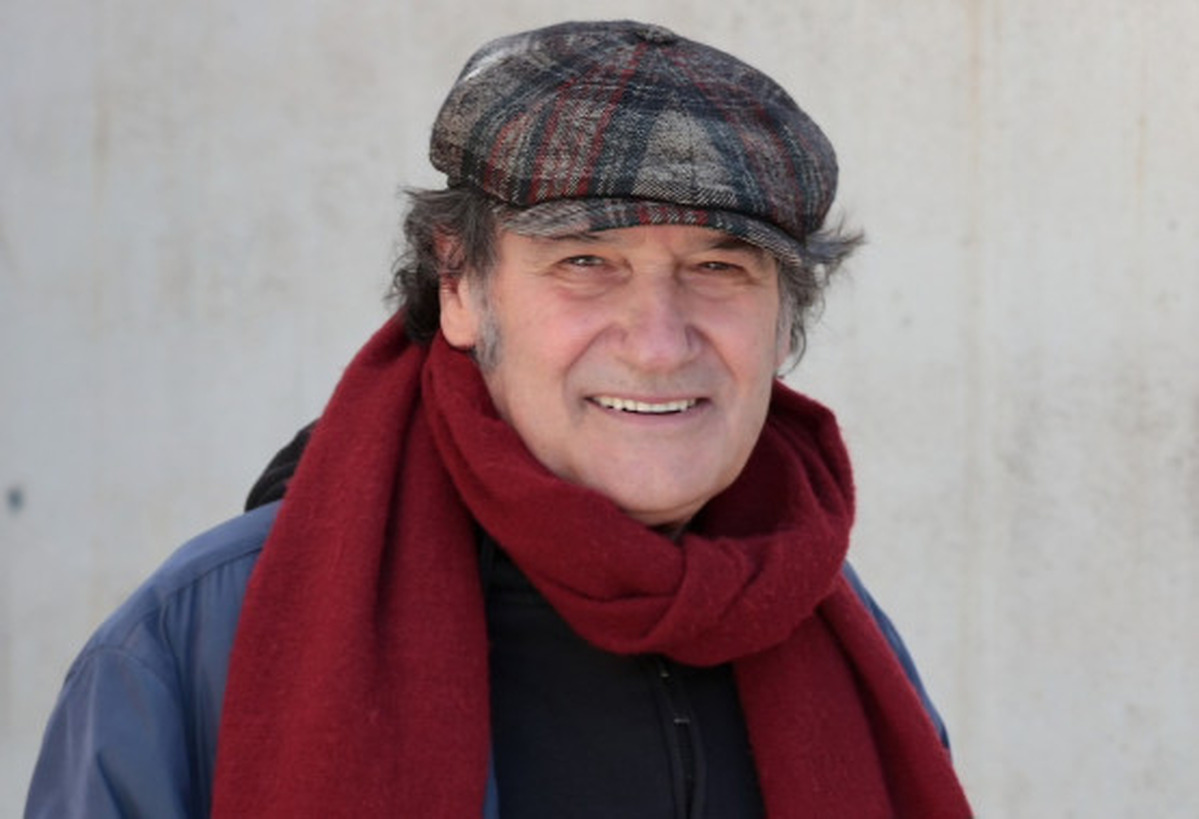
Writer and journalist Alfons Cervera is set to present a lecture on Thursday, 22 October, at 19:00, at the Training Centre of the Valencian Community Textile Museum in Ontinyent. The event, entitled “No diguem afusellats, cal dir assassinats” (We should not say executed, we should say murdered), is organised by the local Democratic Memory Commission and aims to reflect on the role of language in interpreting and transmitting history.
The lecture will be introduced by Teresa Mollà Castells, a writer and communicator from Ontinyent, who has collaborated with various media outlets. The event will be presented by Àlex Borrell, the municipal councillor for Culture and coordinator of the Democratic Memory Commission.
Cervera's talk will draw on a recent opinion piece he published, which reflects on the death of the renowned poet Federico García Lorca. He will discuss how the choice of words influences the way historical events are explained and how certain expressions can perpetuate partial interpretations of history, particularly regarding the repression during the Franco regime.
He argues for the necessity of revising the language used to recount episodes from the Spanish Civil War and the dictatorship, emphasising that words are not neutral and can either clarify facts or obscure their meaning. For instance, the distinction between referring to García Lorca's death as execution versus murder serves as a poignant example of this issue.
This conference is part of the ongoing efforts by the Municipal Democratic Memory Commission, which has initiated various projects in recent years. These include the recovery and identification of thirteen victims executed at the municipal cemetery on 15 December 1939, the subsequent dignification of their remains and the inauguration of a memorial; guided visits to the air raid shelters of Regall and Tortosa and Delgado; the local development of the Stolpersteine project to remember Ontinyent residents deported to Nazi concentration camps; and the creation of an urban itinerary featuring twelve points dedicated to sites linked to the Second Republic, the Civil War, and the Franco dictatorship.