The BNG (Galician Nationalist Bloc) has called for a significant social mobilisation in support of the general strike scheduled for 11 November and the upcoming general elections on 29 November. The party aims to empower galicia to overcome discrimination and address the pressing issues faced by its citizens.
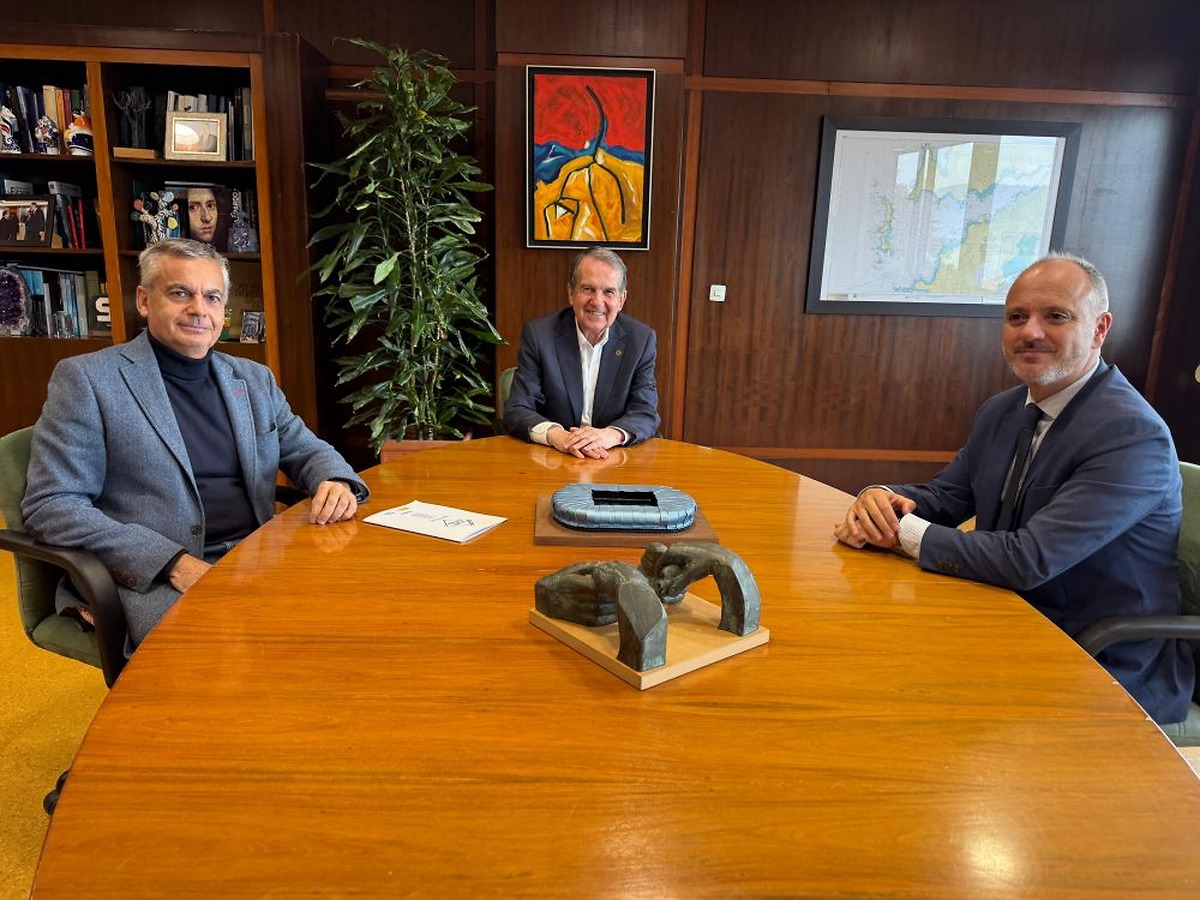
Carme da Silva, the BNG's lead candidate for Congress, made the announcement following a meeting with the executive committee of the CIG (Galician Workers' Commissions) in Vigo, where she was accompanied by municipal spokesperson Xabier P. Igrexas and other party members. Da Silva emphasised that the elections on 29 November present an opportunity to challenge the traditional bipartisanship and support those who truly represent galicia's interests.
“The 29N is about breaking with bipartisanship, supporting those who represent us, and voting with conviction for a better future,”
she stated. Da Silva argued that galicia needs political weight to ensure that its societal issues are prioritised in national policy discussions, criticising the current approaches of the PP (People's Party) and PSOE (Spanish Socialist Workers' Party) for neglecting the region.
She highlighted the increasing difficulties faced by galicians amid rising living costs, low wages, insufficient pensions, and job insecurity. According to September data, galicia recorded an inflation rate of 5.5%, significantly impacting family economies.
Da Silva also raised concerns about labour conditions and the state of public healthcare, challenging the PP's narrative regarding absenteeism. She pointed out that, up until August, galicia had recorded 29 fatalities due to workplace accidents and over 19,000 accidents resulting in sick leave.
“It is absolutely indecent to blame workers who are facing terrible working and health conditions,”
she condemned. Furthermore, she criticised the PP's leader Alberto Núñez Feijóo for demanding sacrifices from the working class while the Xunta (Galician government) continues to cut and privatise essential public services, particularly healthcare.
Da Silva also questioned the PSOE government's priorities, which it claims to be the most progressive in history, yet maintains the labour reform enacted by the PP and the controversial 'Gag Law'. She noted that since 25 August, the national government has approved over €12 billion in military spending compared to just €200 million for housing.
“For missiles, bullets, and tanks, over €12 billion; for housing, €200 million. This clearly indicates their priorities,”
she reproached. Da Silva deemed the proposal to raise the minimum wage to €1,286 insufficient, as it remains below 60% of the average salary.
In contrast to these policies, she asserted that public resources should be used to improve the lives of people, workers, and pensioners, rather than fuelling military expenditure. Da Silva concluded her remarks by expressing her belief that galicia would set an example for the rest of Spain with a massive mobilisation on 11 November.
“It will be at the forefront of the country, demonstrating a society that is rising, moving, and refusing to resign itself,”
she affirmed. This social mobilisation, she argued, must continue on 29 November with strong support for the BNG.
Xabier P. Igrexas focused on the economic and labour situation in Vigo and its surrounding areas, noting a rise in unemployment, with over 15,000 people out of work, excluding those in training programmes. He highlighted the loss of jobs in industry and an increasing reliance on the service sector, which adversely affects economic development and worsens working conditions.
Igrexas also warned of the rising cost of living, citing food insecurity affecting around 300 people daily and a housing market where prices have surged by over 70%.
“The 29N is an opportunity to prevent further antisocial setbacks from the right and far-right, as well as to move away from traditional policies,”
he stressed, underscoring the importance of strengthening the BNG to enhance its capacity to implement policies that benefit the majority.
Alberto Gonçalves Herrero, the regional secretary of the CIG, reiterated that the general strike on 11 November serves as a comprehensive rejection of the PSOE and Sumar governments and the policies of the Xunta. He recalled the years of deterioration in public services, particularly in healthcare and education under the Galician government, and the failures of the Madrid government to address rising precariousness and to promote a dignified pension system.
“They made promises and did not deliver,”
he lamented, also highlighting their policies on housing and military spending. Gonçalves Herrero concluded by stating that the 11 November strike sends a message to any future government, warning that without a change in direction, more strikes and mobilisations will follow, as “the struggle is the only path.”