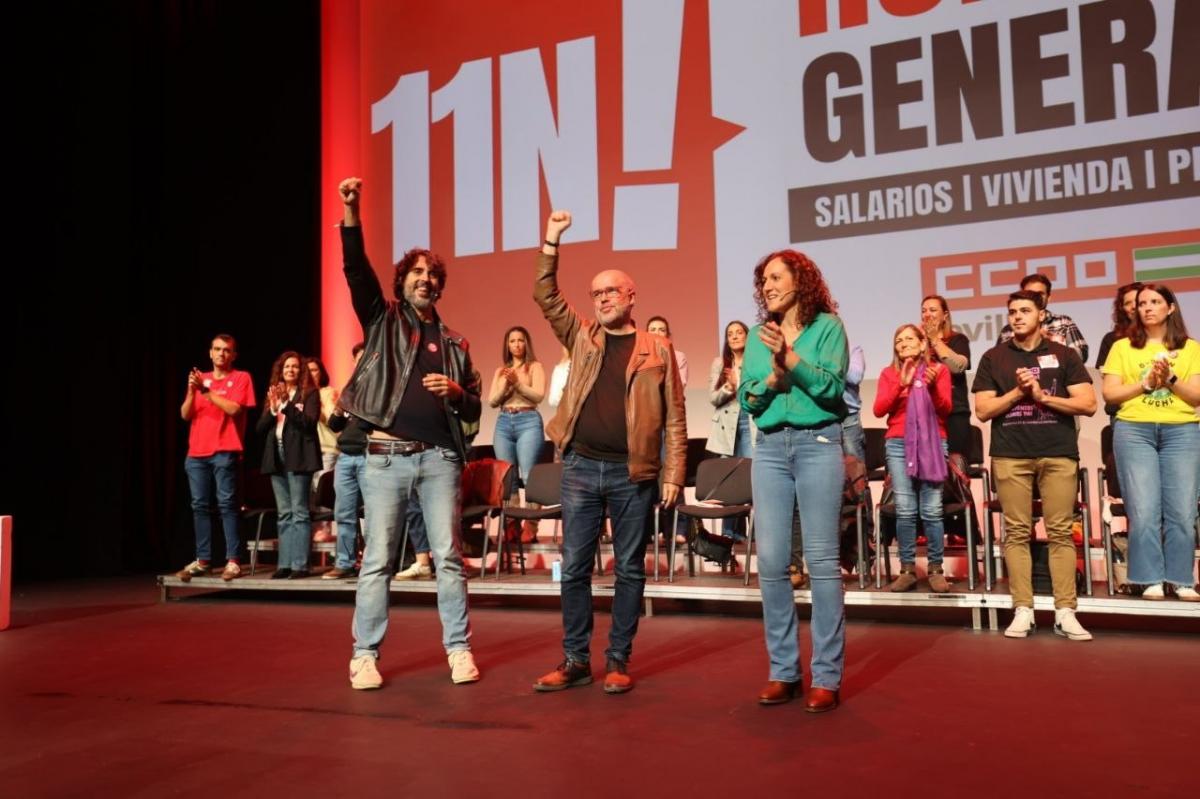
Unai Sordo, the general secretary of the Spanish trade union CCOO, has called for a 7% increase in the minimum interprofessional wage (SMI) during a recent assembly of delegates in Sevilla. He described the government's proposal to raise the SMI by 5.3% as significant but ultimately insufficient.
Sordo has sought clarification on the tax treatment of this increase and measures to prevent companies from absorbing salary supplements. He highlighted that the current rise in the SMI has not improved workers' pay, as companies often reduce other salary components.
He argued that any increase in the SMI should be accompanied by regulatory changes to ensure that the benefits reach workers' pockets. Sordo asserted that raising the SMI does not lead to job losses; rather, it helps create jobs by boosting household demand.
If the proposed 5.3% increase is confirmed, it would represent an accumulated rise of nearly 70% over the past eight years. In terms of housing, Sordo stressed the urgent need for a large-scale public housing initiative, aiming for at least 1.5 million protected homes over the next decade, backed by public investment of 1% of GDP.
He warned that salary increases are being offset by exorbitant rents and unaffordable mortgages. Regarding a recent railway accident, Sordo has called for a thorough investigation to clarify the circumstances and assess the coordination between Renfe, the national railway operator, and Adif, the railway infrastructure manager.
He advocated for sustained long-term investment to enhance safety and quality in infrastructure. Finally, Sordo urged citizens to participate in a mobilisation organised by unions on 11 November, demanding better wages, more ambitious housing policies, and strengthened public services. In the context of a 4.9% inflation rate and high corporate profits, he insisted that salaries should increase by between 4% and 7%.