The project 'Los ojos de la historia' (Eyes of History) has been launched at the Museum of Colonia Sedó in Esparreguera, a site under the National Museum of Science and Technology of Catalonia (MNACTEC). The initiative aims to renew the visitor experience at one of Catalonia's major textile industrial complexes, illustrating how water, industry, and daily life were interconnected in this location.
Sònia Hernández, the Catalan Minister of Culture, visited the project and emphasised that its arrival at Colonia Sedó expands the understanding of Catalonia's industrial heritage and opens access to new audiences. She stated, “The new proposal allows us to understand the colonia not just as a large textile factory, but as a system where territory, water, production, and daily life were deeply related.”
Hernández highlighted that the project “puts technology at the service of heritage and memory,” enabling the recovery of everyday stories, family memories, and voices that help explain industrialisation from a human and social perspective.
new museum features
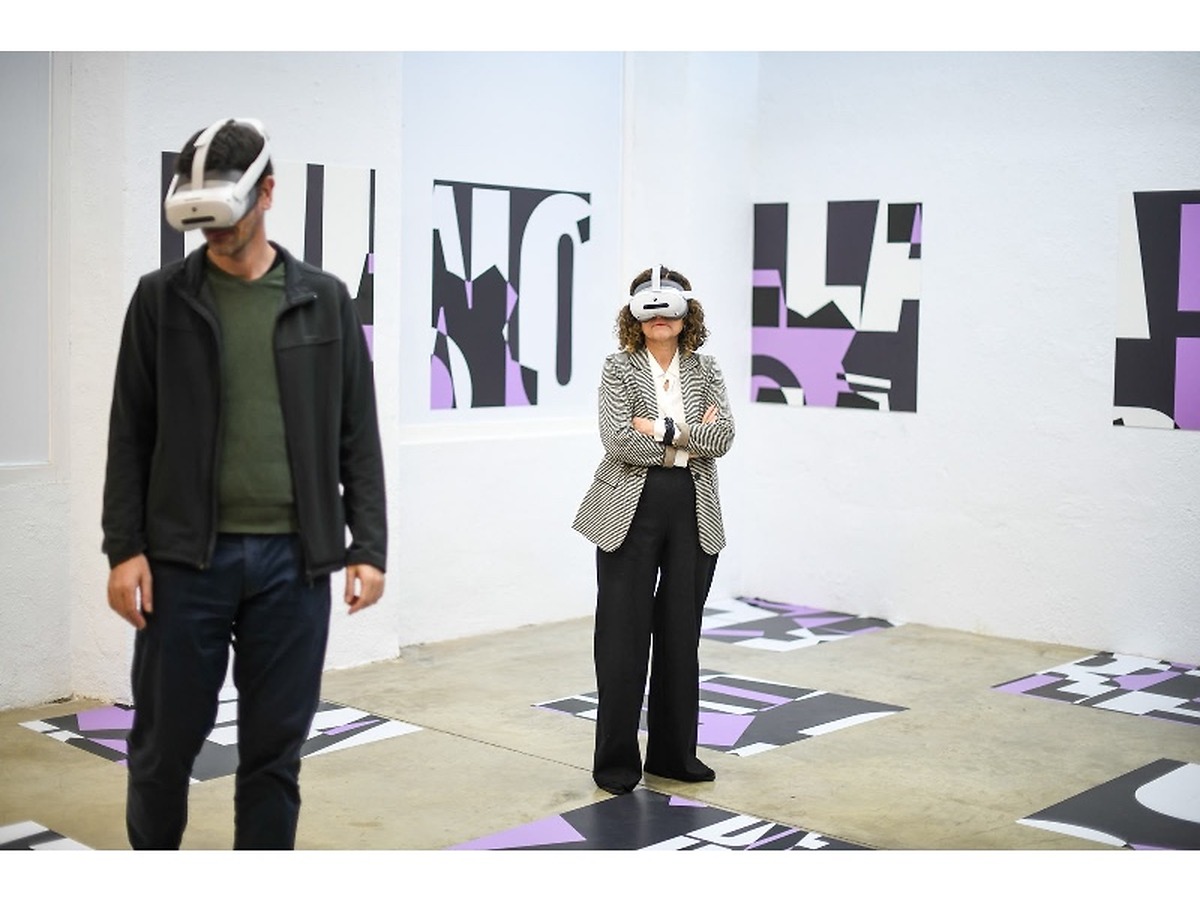
The project includes a comprehensive renovation featuring new museography, the integration of augmented reality into the historical model of the colonia, an immersive installation called Cor de agua, and a virtual reality experience that transports visitors to Colonia Sedó in 1936. This experience follows the story of Mar, who uncovers the lives of her grandfather Pep and great-grandmother Teresa, allowing visitors to explore the factory, school, and homes, and gain insights into working conditions, education, and family life during the Spanish Civil War.
Founded in 1846, Colonia Sedó evolved into a vast industrial complex where industry, housing, education, religion, and leisure were all part of the same ecosystem. The new intervention enriches the visit by providing a deeper understanding of how the factory operated and how people interacted with their environment and production processes.
exploring industrial heritage
Colonia Sedó was one of Catalonia's significant textile industrial complexes. The factory, hydraulic system, and spaces for living, education, and leisure formed a cohesive unit where production and daily life were closely linked. The new museography allows visitors to grasp this industrial and social dimension and learn about the living and working conditions of the people who resided there.
The updated exhibits include panels, signage, graphic resources, a tactile module, and motion graphics that illustrate the evolution of the hydraulic system and the organisation of production within the industrial complex. A scale model of the colonia, built in 1947 at a 1:200 scale, is enhanced by an augmented reality experience. Visitors can use tablets to explore the colonia, view historical photographs, and discover animated scenes of daily life.
cor de agua installation
The 'Los ojos de la historia' project is complemented by the immersive light and sound installation, Cor de agua. This installation recreates the journey of water through channels to the Francis turbine, demonstrating how its force was converted into mechanical energy to power the factory's machinery. Built in 1899, this turbine is one of the largest historical hydraulic turbines in Europe, and visitors can access its interior.
To celebrate the launch, the Museum of Colonia Sedó will hold open days on the first two weekends of its reopening, on 7-8 and 14-15 November, allowing the public to experience the virtual reality offering with prior reservation.
The 'Los ojos de la historia' project has already attracted 290,257 visitors as of October 2026. It aims to deepen the relationship between technology, memory, and cultural landscape, making the understanding of the past more accessible and meaningful while renewing narratives to support microhistory and the representation of minority voices.
The project has been implemented in various emblematic heritage sites across Catalonia, including the Rock Art site of Cogul, the Cartuja de Escaladei, the Interpretation Centre of Vall de Boí, Miravet Castle, and the Monumental Complex of Sant Pere de Rodes. The inclusion of the Museum of Colonia Sedó broadens the exploration of industrial heritage, highlighting the relationship between natural resources, production processes, and community life.
Currently, new installations are being developed in several significant heritage spaces in Catalonia, such as Cardona Castle, the Roman theatre of Tarraco, the Iberian city of Ullastret, and the Andalusian site of Pla d'Almatà in Balaguer. In addition to new museographies at these monuments, 'Los ojos de la historia' focuses on enhancing the social character and potential of Catalonia's cultural heritage, centred around educational experiences for schools and a promotional space at Palau Moja in Barcelona, known as Espacio Moja: Cataluña patrimonio vivo.