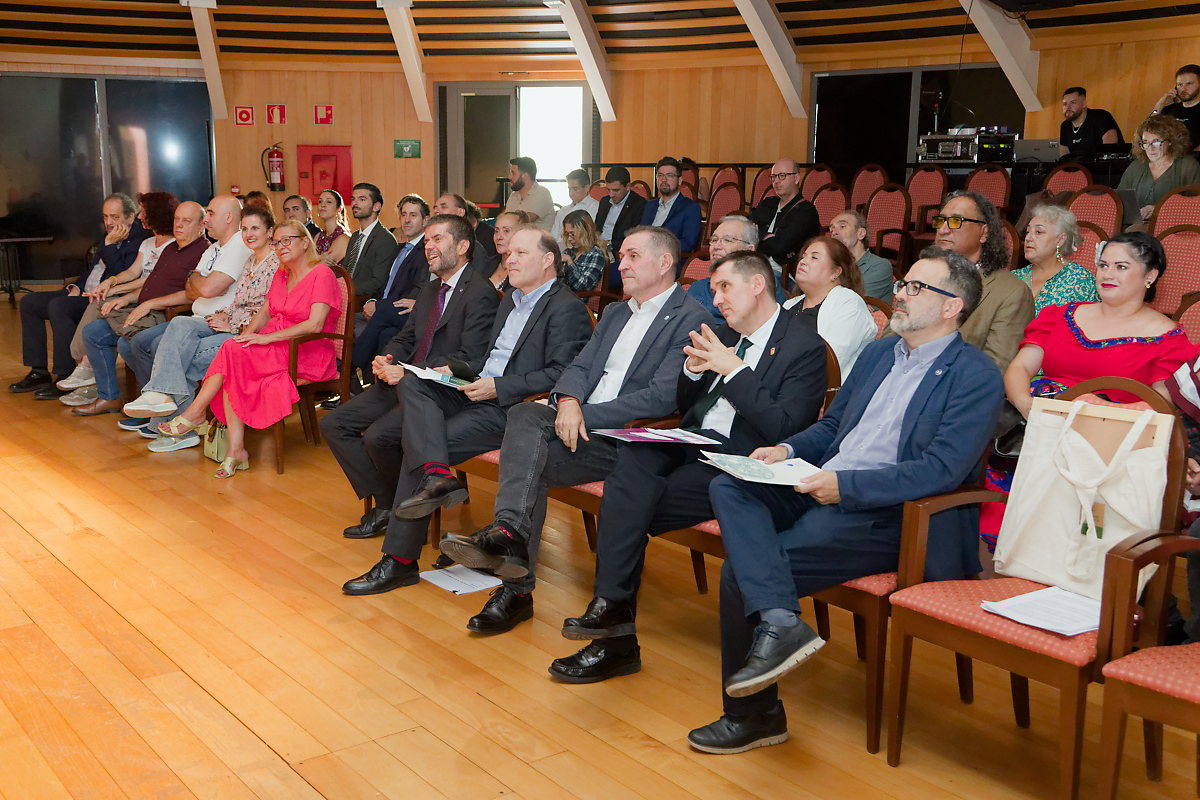
The Ibero-American Chair of Cultural Routes and Itineraries was officially launched during the closing session of Campus América, a collaborative initiative involving the University of La Laguna, the City Council of La Laguna, the Government of the Canary Islands, and the Organisation of Ibero-American States. The event took place in the chamber hall of the Teatro Leal, attended by representatives from the institutions involved in this new academic venture.
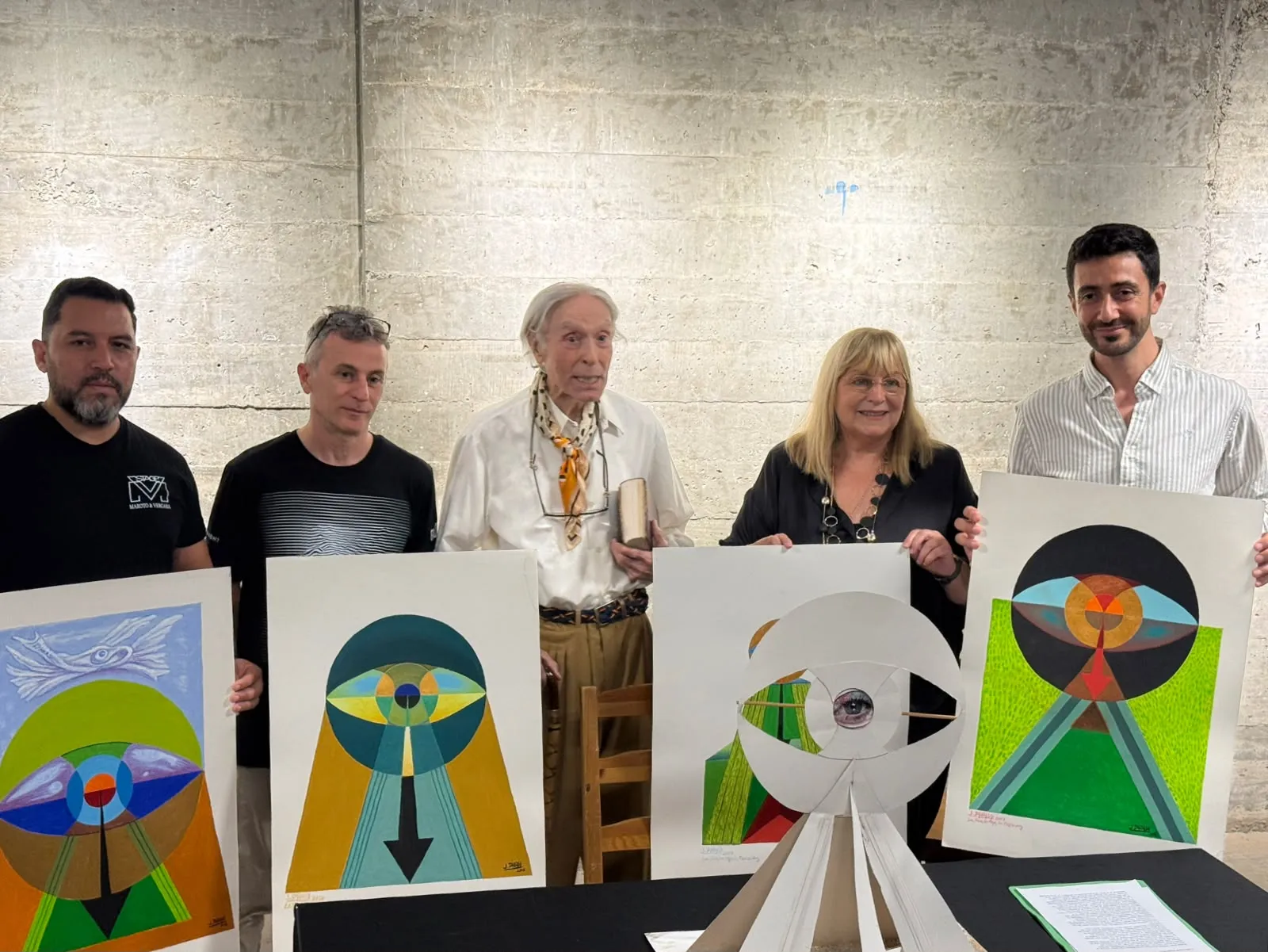
The chair aims to foster new connections through the understanding of local heritage, cultural assets, and the surrounding environment. Key figures at the event included Francisco García, rector of the University of La Laguna; Miguel Ángel Clavijo, general director of Heritage; Adolfo Cordobés, councillor for Heritage at the La Laguna City Council; José Juan Cano, co-director of the World Heritage Chair of La Laguna; and Raphael Callou, director of Culture at the Organisation of Ibero-American States.
Sara González, director of Internationalisation at the University of La Laguna and academic head of the Campus América programme, highlighted the cultural milestones achieved during the two-week event, including a concert by Chilean singer-songwriter Manuel García, a culture and gastronomy fair in the city centre, three photographic exhibitions at Casa Anchieta, and the premiere of the animated film 'Winnipeg, the ship of joy' in the Canary Islands. She also noted the strengthening of ties between the university and Chilean institutions, universities, and businesses.
“Chile is very close to the Canary Islands,” stated García, emphasising the collaborative agreements signed during Campus América and the new avenues for research cooperation. He added that the establishment of the chair creates a new space for collaboration and joint efforts, stating, “Cultural itineraries connect territories and peoples.”
The councillor from the La Laguna City Council remarked that the chair originates from a public university committed to its community and is part of the broader Campus América initiative. Clavijo highlighted the significant historical connection between the Canary Islands and Latin America, asserting, “Canarians have a historical debt to Latin America, a region that has offered many opportunities. This area, the Canary Islands, is a paradise of coexistence, something that must not be broken.”
Raphael Callou, who participated remotely, noted that the chair will serve as a crucial space for strengthening a common framework to certify cultural routes within the Ibero-American context. José Juan Cano discussed the triad of research, teaching, and transfer that underpins territorial development, mentioning that nine universities across the Atlantic are already working on cultural routes and itineraries prior to the chair's establishment. The goal is to consolidate scientific publications with leading Spanish publishers in the humanities.
The chair will also join the Ibero-American PRICI network, creating a diploma for experts in the development of Ibero-American cultural routes and itineraries, along with academic mobility opportunities.
Following this, Chilean senator Alfonso Urresti presented a lecture on the current challenges of ecological transition and sustainable development, reflecting on his own country's transition from dictatorship to democracy in the 1990s. He argued for a profound reform to address environmental challenges, citing the need for new laws and technical oversight bodies established during Michelle Bachelet's government to enhance environmental governance.
Urresti called for strengthening new collaborations in the environmental sector, underscoring the importance of addressing ecological vulnerabilities in isolated regions.