Unai Sordo, the General Secretary of the Spanish trade union CCOO, has commented on the government's proposal to increase the minimum interprofessional wage (SMI) by 5.3%. While he acknowledges the significance of this proposal, he argues that it falls short of the unions' demand for a 7% rise.
Sordo emphasised the need for clarity regarding the fiscal treatment of this increase and the measures the government will implement to prevent companies from absorbing salary supplements. He pointed out that previous increases in the SMI have not necessarily improved workers' take-home pay, as companies often reduce additional payments such as availability bonuses or night shift allowances.
He stressed that any increase in the minimum wage should be accompanied by regulatory changes to ensure that the benefits reach workers directly. According to Sordo, raising the SMI does not lead to job losses but rather contributes to job creation. He noted that if the proposed 5.3% increase is confirmed, it would represent an accumulated rise of nearly 70% over the past eight years.
In terms of housing, Sordo reiterated the necessity of establishing a significant public infrastructure for protected housing, aiming for at least 1.5 million homes over the next decade, supported by sustained public investment of 1% of GDP.
Regarding a recent railway accident, he called for a thorough investigation to clarify the events and assess the coordination systems of Renfe and Adif, the Spanish railway operators.
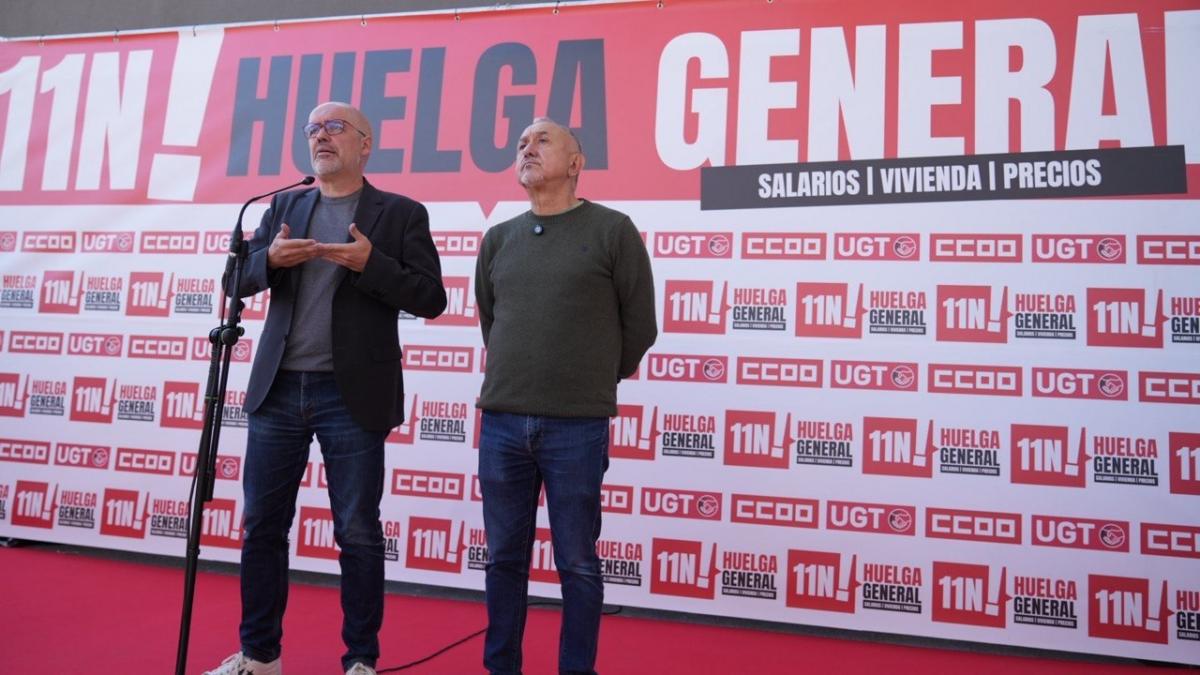
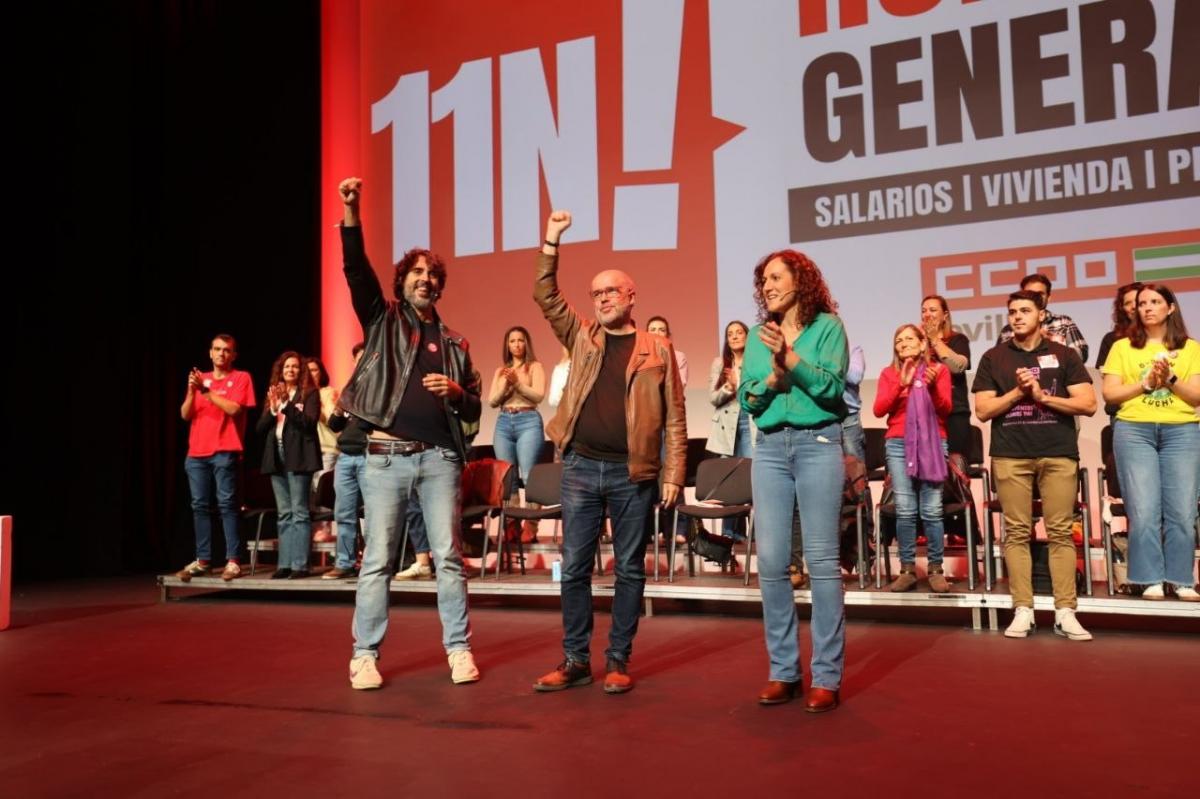
Sordo concluded his remarks by urging citizens to participate in a mobilisation organised by the unions on 11 November, which will advocate for better wages and more ambitious housing policies. He warned that, in the context of 4.9% inflation and high corporate profits, salaries should increase by between 4% and 7%. He assured that the unions would continue to push for these improvements in collective bargaining agreements.